
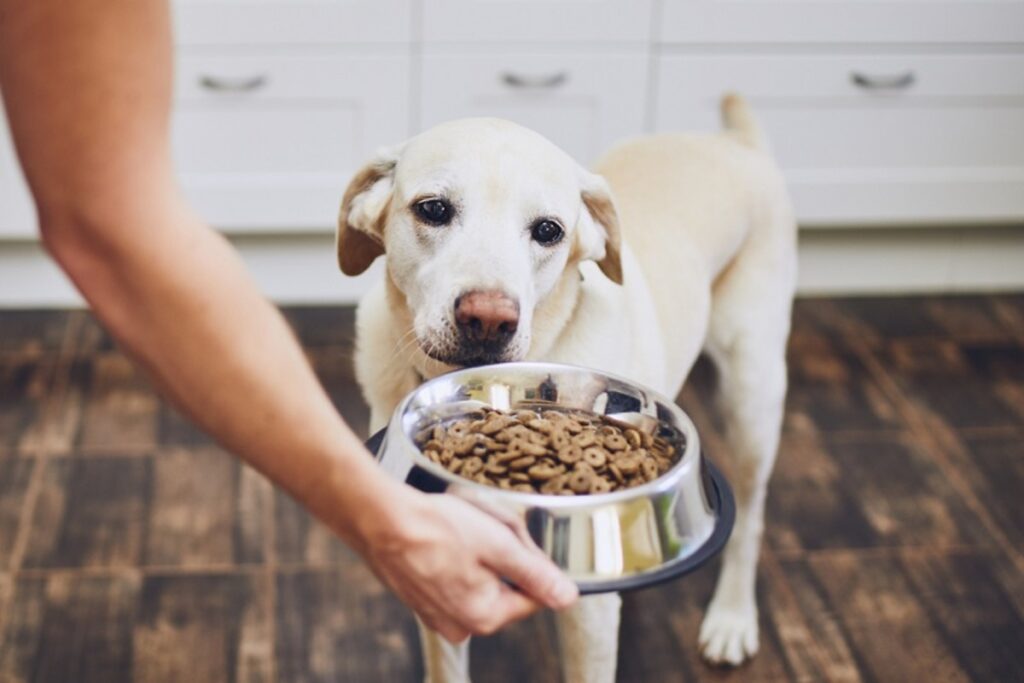
For countless Australians, dogs transcend mere pet status; they are cherished family members who embody joy and companionship at the heart of our daily lives. This deep affection often leads us to go above and beyond, particularly when it comes to their meals. Recently, a growing number of pet owners have been opting to replace commercial kibble with homemade meals, convinced they’re providing a healthier, more heartfelt alternative. However, veterinarians are raising concerns that this well-intentioned trend may do more harm than good.
Uncovering the hidden dangers of homemade dog meals
Confession time: I once dedicated an entire afternoon crafting a “gourmet bowl” for a friend’s Labrador, convinced that a mix of salmon and sweet potato was the canine equivalent of fine dining. The dog loved it, but excitement doesn’t equal nutrition. Many veterinarians caution that homemade diets, no matter how lovingly prepared, often lack the vital balance dogs require to maintain proper health.
An anonymous veterinarian recently highlighted that nutritional imbalances are a widespread issue. Unlike humans, dogs depend on precise ratios of proteins, fats, vitamins, and minerals. Missing even one essential nutrient can lead to a range of health problems, from gastrointestinal discomfort to severe conditions like bladder stones.
The British Veterinary Association (BVA) has repeatedly warned pet owners to be cautious with unregulated homemade diets, stressing that even slight deficiencies can have lasting health effects. It’s a hard truth for those who love whipping up meals for their furry friends, but one that merits serious consideration.
One recipe doesn’t suit every dog
It’s important to remember that dogs have vastly different nutritional needs. A spirited young spaniel might burn calories like there’s no tomorrow, while an older bulldog might need a carefully controlled diet to manage weight or joint issues. Just because a meal looks healthy doesn’t mean it’s appropriate for every breed or life stage.
Veterinarians often point to diets centred on chicken and sweet potatoes as a prime example – popular, simple, and seemingly safe. Yet, such meals can fall dangerously short in critical nutrients like calcium and important B vitamins. If left unaddressed, these deficiencies can lead to brittle bones, fatigue, and weakened immune systems.
We also have to keep in mind that many foods we enjoy can be toxic to dogs. According to the American Kennel Club, staples such as chocolate, onions, and grapes can be harmful—even in small amounts. The fine line between healthy and harmful can be notoriously thin, underscoring the need for professional guidance.
Crafting balanced nutrition with expert guidance
There’s nothing wrong with wanting to spoil your dog with care and creativity. However, the most effective way to do so is through a vet-approved plan. There are many veterinary nutritionists who can create balanced homemade diets, ensuring the right mix of proteins, fats, fibre, and micronutrients. While it might take a little more effort than simply tossing leftovers into a bowl, it ultimately safeguards your dog’s health.
Consider this: a dog’s diet is more about precision, consistency, and nutrient density than culinary flair. A vet can help you determine precisely what your dog needs, whether it’s additional joint support, increased protein, or a calorie count adjustment.
Being an informed pet parent is the loving choice
Homemade meals can feel personal and nurturing, and in many ways, they are. Yet love alone doesn’t guarantee a nutritionally balanced diet. Prior to modifying your dog’s meals, a discussion with a veterinarian can help avoid unnecessary complications and ensure your good intentions lead to genuine well-being.
After all, the ultimate aim is to keep those ears perked and tails wagging for as long as possible—and this journey starts not in the kitchen, but with expert advice and mindful choices.





