
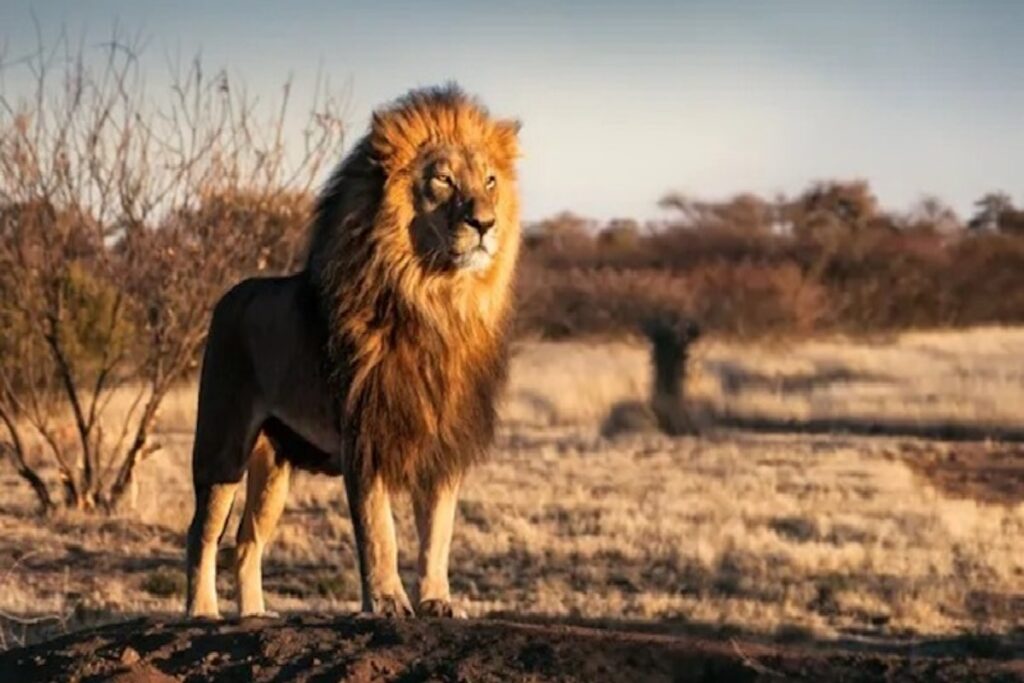
On the sunbaked savannah, the days often blend together, filled with the relentless heat, swirling dust, and the rhythmic sounds of wildlife. Yet, every now and then, an unexpected event jolts you from complacency. For one dedicated safari ranger, this occurred when an unusually large lion emerged from the grasslands, clearly in distress and urgently in need of help.
An unsettling discovery in the wild
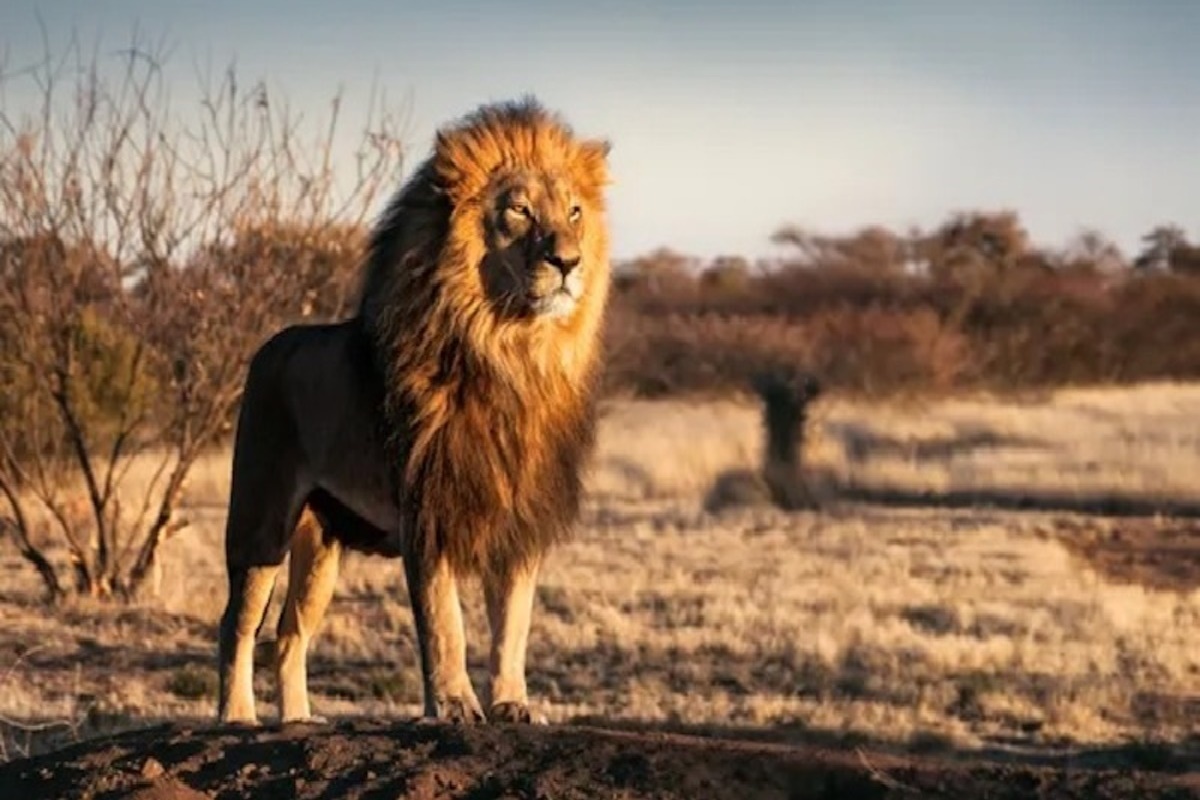
Rangers possess an acute ability to discern what others may overlook—a limp, a change in stance, an animal’s unusual behavior. One late afternoon, as the day’s patrols were wrapping up, an observant ranger spotted a massive lion separated from his pride. This was not just any lion; he was the dominant male in the area, typically a commanding presence seen confidently patrolling his territory.
But he looked unwell—swollen and sluggish. Anyone familiar with big cats can attest: visible distress is a serious concern. The ranger’s conservation instincts kicked in, and he promptly called for assistance. Before long, a fellow ranger and a wildlife vet arrived on the scene.
When technology reveals a troubling truth
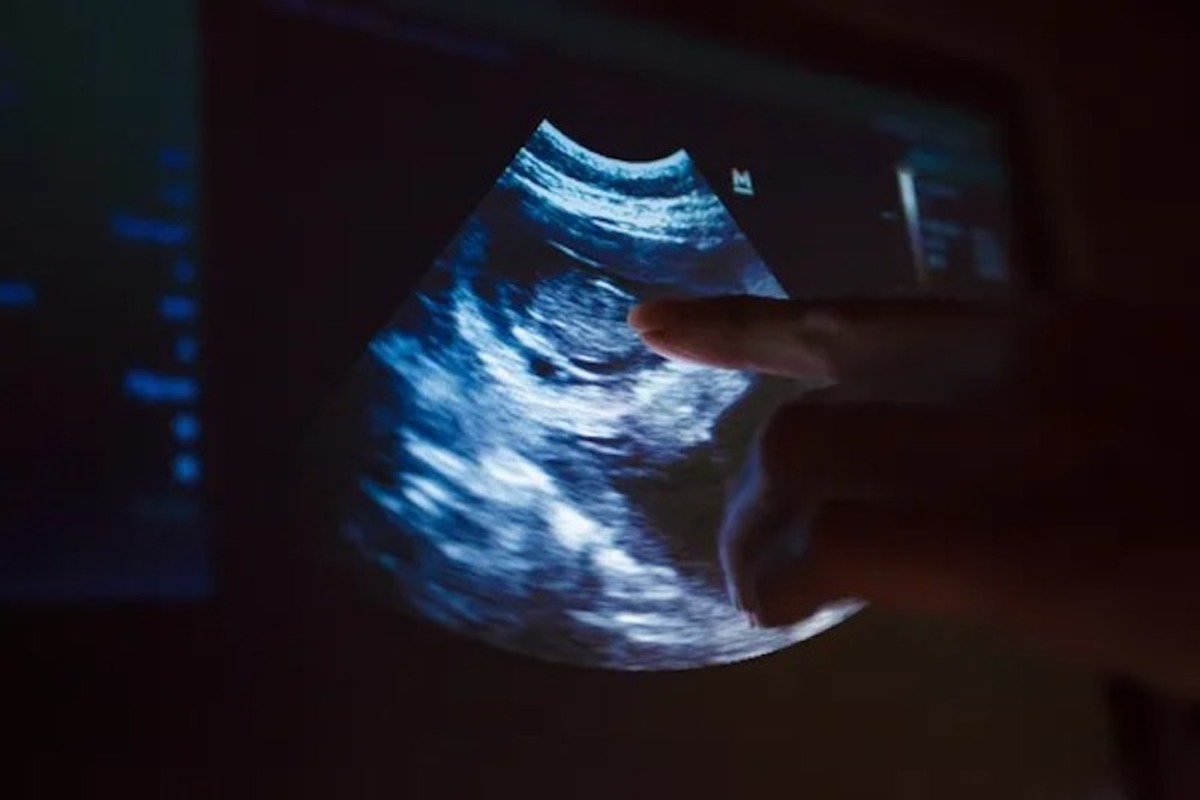
Given the lion’s concerning condition, the veterinarian opted to perform an ultrasound. The increasing prevalence of portable imaging technologies in conservation efforts is often a game changer, transforming uncertainty into clarity. However, what appeared on the ultrasound screen shocked the entire team.
There, nestled within the lion’s stomach, was a substantial mass of undigested meat, far too large to be expelled naturally. Even more alarming was the presence of a small electronic tracking device within the mass. Wildlife protection organizations like the World Wide Fund for Nature have reported that poachers are increasingly using sophisticated tools—including covert tracking systems—to stalk valuable animals without detection.
For the veterinarian, this moment was a stark reminder: this wasn’t just a case of natural illness but rather a troubling instance of human interference with potentially deadly ramifications.
Urgent measures required
The decision to act was swift. Surgery was the only viable option to save the lion’s life. Conducting surgery on a full-grown male lion in the field is no simple feat; it demands precision, quick action, and seamless teamwork. I once witnessed a similar emergency procedure on a sedated rhino, and the tension in the air was almost tangible. A single misstep can lead to tragic consequences.
The veterinary team worked efficiently, removing the obstruction and safely extracting the tracking device. The surgery was a success, and the lion was stabilized. As he began to recuperate, the gravity of the situation became apparent. Without that intervention, his fate would have been dire.
From rescue to legal action

The emergence of the tracking device prompted immediate action from authorities. Conservation groups, alongside local law enforcement, launched an inquiry, using the device as a vital lead. Such incidents have been documented by the International Union for Conservation of Nature, shedding light on how research technologies can be misappropriated with devastating consequences.
In this instance, the investigation traced back to a group of poachers operating in the vicinity. Arrests ensued, effectively dismantling a network that had potentially jeopardized numerous wildlife populations.
A compelling reminder of the stakes involved
The lion’s recovery was promising. Within a matter of weeks, he returned to his territory, regaining his strength. Rangers reported sightings of him reuniting with his pride, once again asserting his authority as their leader.
For all those involved, this incident underscored the significance of their efforts. Wildlife conservation is not merely about protecting animals from the hazards of nature; it’s equally about safeguarding them from people who seek to exploit them. It emphasizes the importance of vigilance, collaboration, and decisive action taken before it’s too late.
Ultimately, one lion’s life was saved thanks to observant eyes, quick thinking, and prompt action. In the unpredictable realm of the savannah, that can spell the difference between life and death.





