
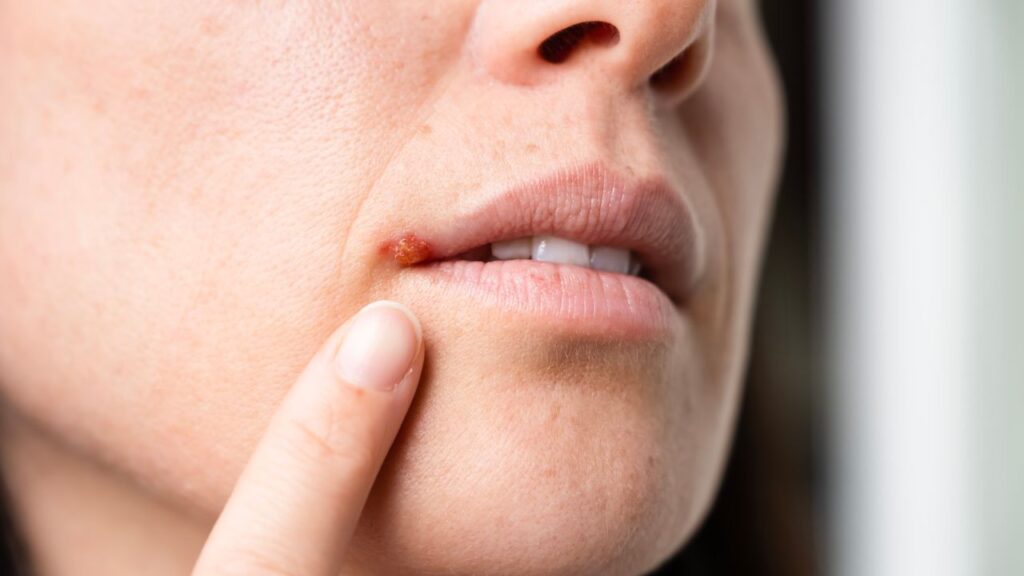
Isn’t it strange how cold sores have a knack for cropping up right before important events, like a wedding, a big presentation, or even during a much-anticipated holiday? While they’re typically harmless, they are undeniably a nuisance. Those little blisters are your body’s way of sending out a signal, often tied to stress, fatigue, or times when your immune system is feeling a bit vulnerable.
Cold sores are one of the most prevalent viral skin conditions, yet they remain somewhat misunderstood. Many dismiss them as mere annoyances, but they often hint at something deeper going on within the body.
The Roots of Cold Sores
The primary culprit behind cold sores is the herpes simplex virus type 1, a virus that most adults unknowingly carry after picking it up during childhood. Once the initial bout is over, the virus goes dormant, hiding away in a nerve ganglion, sometimes for many years.
Eventually, it can reactivate, announcing itself through that familiar tingling sensation, followed by redness and a cluster of blisters around the lips. I recall a colleague who could pinpoint an imminent outbreak almost to the hour following a sleepless week leading up to a deadline. The trend was always consistent—not just bad luck.
What Triggers Cold Sores?
Despite the term “cold,” cold sores can appear for various reasons beyond just having a fever. Medical professionals point out that stress—both physical and emotional—is among the most common triggers. Long hours at work, academic pressures, family concerns, or even high levels of excitement can weaken your immune response just enough for the virus to make a comeback.
Fatigue also plays a significant role. When your body is run down, it’s less capable of keeping the virus in check. Additionally, sun exposure can be a factor, especially for those who spend extended periods outdoors without protecting their lips. Hormonal fluctuations are another trigger, which partly explains why some women notice outbreaks during their menstrual cycle.
Doctors often advise their patients to pinpoint their individual triggers. One GP I spoke to compared it to figuring out what provokes a migraine. Once you identify the triggers, prevention becomes much simpler. For those particularly sensitive to sunlight, using lip balm with UV protection can dramatically diminish flare-ups.
Speeding Up Cold Sore Recovery
When it comes to cold sores, acting quickly is essential. The moment you feel that telltale tingle or warmth, it’s time to spring into action. Pharmacists typically recommend applying an antiviral cream immediately, ideally before a blister even appears. These over-the-counter treatments can help shorten the duration and intensity of an outbreak.
For individuals who frequently experience severe cold sores, doctors may prescribe oral antiviral medication. Health authorities suggest starting this treatment within the first 72 hours for optimal results. While it’s not a cure, it can make a significant difference.
There are also straightforward practices that can aid in recovery. Avoid touching the area, wash your hands regularly, and resist the urge to pick at the sore. It may seem obvious, but many infections hang around simply because they’re repeatedly irritated.
Understanding Your Body’s Signals
Cold sores may be annoying, but they also serve as an important reminder. They tend to appear when your body is under stress, gently prompting you to slow down, rest, or manage your stress levels more effectively. While you can’t banish the virus entirely, gaining insight into your own patterns can help you stay ahead of the game.
Think of a cold sore not as an unwelcome blemish, but as a small warning light. Listen to your body, respond promptly, and you may find it thanking you in the long run.





