
This might sound like it’s straight out of a courtroom drama, but for one elderly property owner, it became a painful reality. After years of fighting to reclaim his building, an 80-year-old man was hit with a staggering six-figure water bill instead of the relief he had hoped for. What started as a struggle against illegal occupation ends with an all-too-familiar fear among property owners: who picks up the bill when everything goes wrong?
Squatters Seize Control of an Elderly Man’s Property
Selim, a retired shopkeeper from Saint Ouen, regarded his building as the culmination of decades of hard work. For many from his generation, property represents security and a legacy to pass down. However, that sense of security evaporated when squatters moved in without consent.
For years, the property became effectively inaccessible to him. Neighbours spoke of a constant influx of unknown individuals, makeshift bedding cluttering communal areas, and trash accumulating in corners. Those who have lived near an illegally occupied property know the unease it brings—an awareness that something is amiss, coupled with a profound sense of helplessness.
For Selim, the emotional toll was immense. His building symbolised stability, now left to deteriorate as the legal battle dragged on at a frustratingly slow pace.
Wasted Water and Uncontrolled Damage
What turned this already distressing scenario into a financial nightmare was the situation inside the building. According to Selim’s lawyer, Xavier Bouillot, the squatters allegedly left the taps running incessantly, day and night, causing the property to become saturated with water.
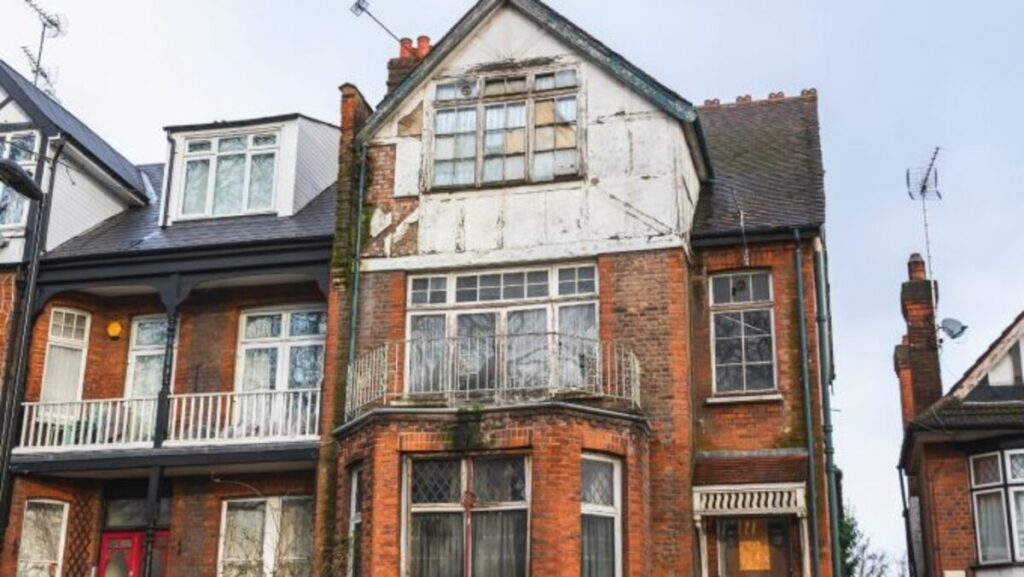
When a technician from Veolia finally assessed the situation, the conditions were so dire they couldn’t even gain entry. Flooded floors and pest infestations were rampant, evoking a sense of panic akin to discovering a leak at home—but this was no temporary problem. It had festered for years.
Water authorities and consumer advocates regularly caution about the financial implications of hidden leaks. Typically, homeowners can quickly halt the water supply, but Selim was powerless to intervene.
A €100,000 Bill With No Safety Net
After lengthy legal battles, the squatters were finally evicted. What should have marked the end of Selim’s ordeal instead heralded the beginning of a new financial crisis. Veolia presented him with a water bill nearing €100,000, sent directly to the registered owner of the property.
Insurance companies, including major players like Axa Assurance, do not cover costs related to damage or utilities incurred during illegal occupations. The reality was stark: Selim was liable for the entire amount.
For an 80-year-old man, this bill is not just a number; it endangers both his financial security and peace of mind. Real estate organisations across Europe have repeatedly warned that existing legal frameworks often leave property owners vulnerable, especially the elderly and those less able to defend their interests.
@w9lachaine “Dans mon propre pays, je suis une SDF” 😖 Alfredo, harbinger of squatters, seeks a solution to remove a young woman who has occupied his uncle’s house for 28 years! 🏡 📺 #SquatsEtConflits ♬ son original – w9officiel
A Cautionary Tale for Property Owners Everywhere
This case transcends a personal tragedy; it’s a cautionary tale for all property owners. Ownership comes with its own set of responsibilities and risks, many of which aren’t immediately apparent. Experts consistently urge property owners to keep a close eye on their empty properties and to act swiftly if they notice any signs of unauthorized occupancy.
Beyond practical measures, Selim’s story poses difficult questions around balance and protection. While safeguarding housing rights is paramount, it is equally crucial to ensure that individuals aren’t financially devastated by circumstances beyond their control.
Ultimately, Selim’s experience serves as a stark reminder that property is much more than a mere investment. It is linked to lives, legacies, and often to vulnerabilities that are slow to be recognized by societal systems. Vigilance is essential, but so too is the call for reform.





