
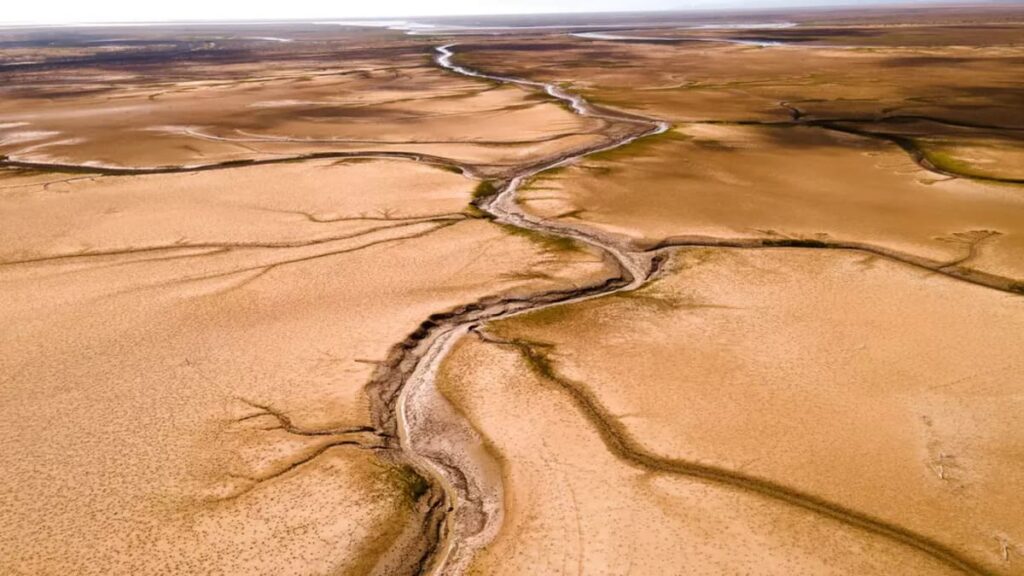
The Colorado River once depicted a stark image of desolation across parts of the American West—a once-bustling waterway turned dry riverbed. However, in an impressive shift, the river is now flowing again, fueled by a mix of political agreements, local initiatives, and environmental restoration projects. Here’s the unfolding narrative of the Colorado’s remarkable resurgence.
Breathing Life Back into a Forgotten River
It’s hard to believe that only ten years ago, the Colorado River had become a mere remnant of its former glory. Meandering through the arid landscapes of the American Southwest and into Mexico, this once-majestic river was reduced to a cracked and parched riverbed in many areas. Unsustainable water extraction for agriculture and urban development had drained its life, and for two decades, the river’s mouth saw no flow, leading to the collapse of over 80% of regional ecosystems and leaving a desolate scene behind.
Remarkably, the tides began to turn in 2014 with a landmark agreement between the U.S. and Mexico aimed at reviving the river’s flow. This political milestone marked the beginning of a significant movement to rejuvenate the Colorado, showcasing nature’s incredible capacity for recovery when given the chance.
Reestablishing a Fragile Ecosystem: The Importance of Native Flora and Fauna
Efforts to restore the Colorado’s delta have led to the planting of over 540 hectares of native trees, revitalizing the region’s greenery. Species like willows, poplars, and palo verde are ideally adapted to the desert climate, playing a critical role in moisture retention and combating soil erosion.
Gabriela Caloca, a key figure with Revive el Río Colorado, an alliance of environmental groups, describes the transformation as quite astonishing. “These trees not only retain moisture but also sequester carbon and provide essential corridors for migratory birds and at-risk species,” she explains.
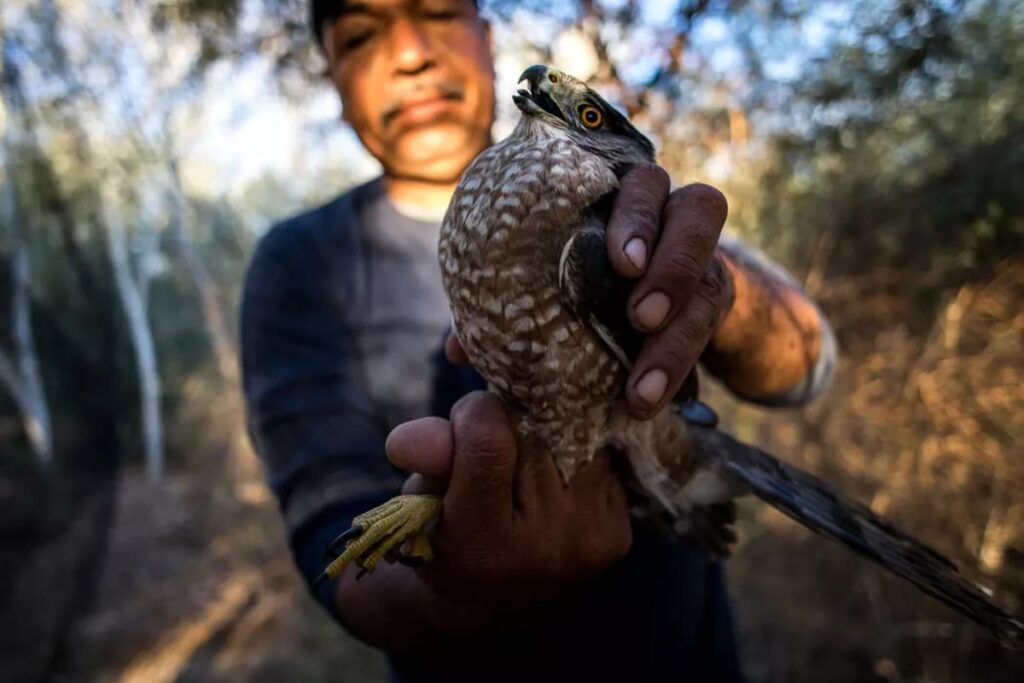
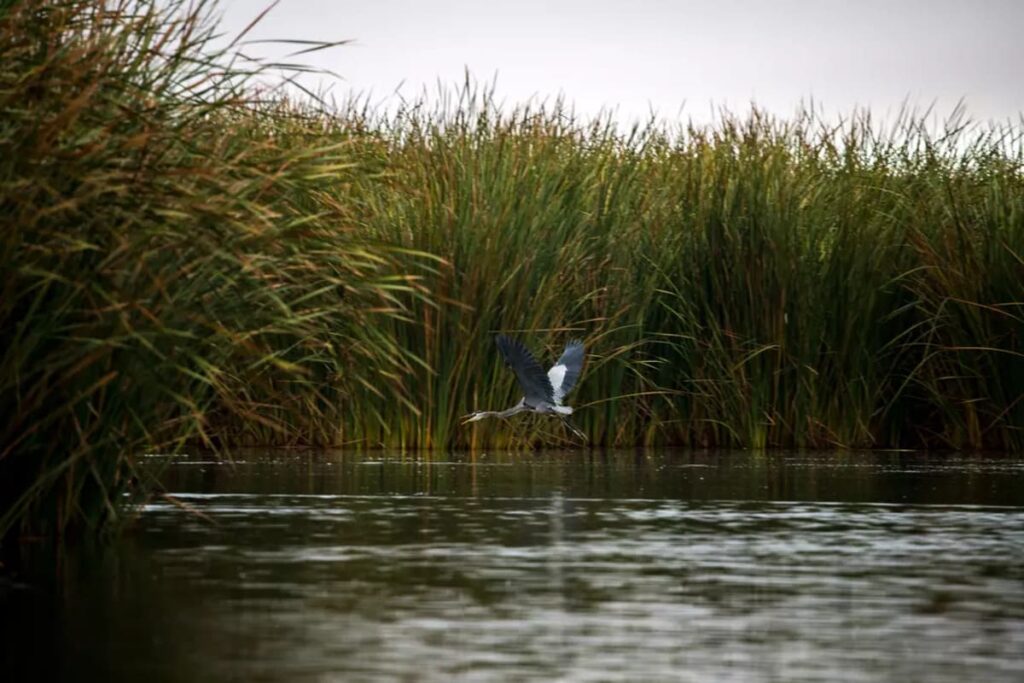
The river’s revival has cast a positive spotlight on local wildlife. In areas such as the Santa Clara wetland, a haven for migratory birds, once-endangered species like the California clapper rail have returned in strong numbers. Stefanny Villagomez, part of the ornithology team at Pronatura Noroeste, attests to a significant uptick in both bird and insect populations, with more than 360,000 migratory birds visiting these restored sites annually.
Confronting Historical Challenges
The Colorado’s resurgence is not merely a result of tree planting or restoring water flow; it requires tackling the root causes of its decline. Unsustainable agricultural practices diverted significant water for crops like alfalfa—primarily used for livestock feed. Hydro-electric dams and reservoirs in the U.S. have also diverted natural river flows to cater to golf courses and manicured lawns, intensifying water scarcity.
In Mexico, outdated colonial-era regulations have permitted extensive water withdrawals for agricultural purposes, often at the expense of the river and its ecosystems. These complexities underscore that restoring the Colorado River transcends simply adding water; it involves a comprehensive rethinking of ingrained practices and seeking sustainable, long-term solutions.
Collaborative Efforts Across Borders
Thanks to the binational agreement forged between the U.S. and Mexico, water began flowing into the delta once more in 2014, ushering in a wave of excitement and pride among local communities. Isabella, a resident of San Luis Río Colorado, vividly recalls a celebratory atmosphere when the water arrived. “It was a moment of pure joy,” she reflects, recalling the happiness on her neighbours’ faces.
To date, more than 3,500 volunteers have rolled up their sleeves to clear invasive species and reintroduce native trees, while diligently monitoring wildlife populations. The planting of over 500,000 trees in just six years showcases the power of community involvement and teamwork. As Gabriela Caloca notes, “It’s heartening to see people reconnecting with the river. Many have shared they’d never seen water in it before, and now they’re bringing their children to appreciate nature.”
A Testament to Resilience
Looking ahead, the Colorado River’s revival serves as a beacon of hope and determination. While the future of the river hangs in the balance, contingent upon the cooperative efforts of both Mexico and the United States, local communities are ardently dedicated to its restoration. Sustained planting of native trees, prudent management of water resources, and international support will be crucial in safeguarding the river’s vitality for generations to come.
As Stefanny Villagomez wisely summarized, “This experience illustrates nature’s incredible capacity for rapid recovery. As long as we continue fostering collaboration—between citizens, scientists, and governments—there remains hope for our planet.”
In a world often overwhelmed by environmental crises, the Colorado River’s revival offers a spark of optimism, showcasing the strength of unity and steadfastness in the face of adversity.





