
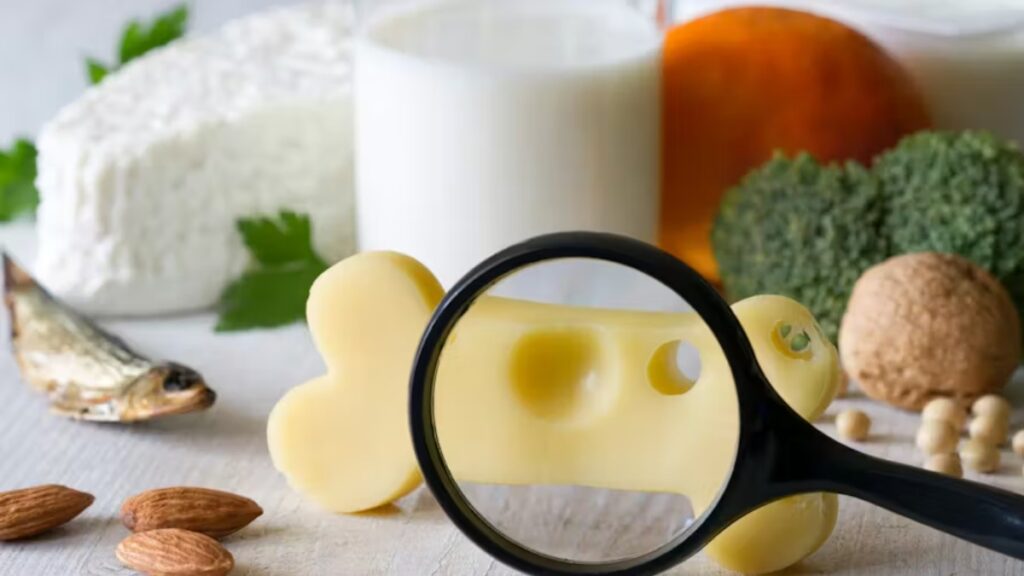
When it comes to maintaining strong bones, we often hear about the importance of calcium-rich foods and vitamin D. Yet, the discussions about dietary choices that could potentially sabotage these efforts are far less frequent. With osteoporosis on the rise and affecting millions, particularly as we age, it’s crucial to understand how specific foods can impact our bone health.
The Importance of Calcium and Phosphorus Balance
Calcium serves as the bedrock of bone strength, with approximately 98% of the body’s calcium stored in our bones, acting as a vital reserve for essential bodily functions like muscle contraction, blood clotting, and nerve signaling. When our dietary intake falls short, our bodies will leech calcium from our bones—a process that gradually weakens our skeletal structure.
However, calcium doesn’t operate in isolation. Phosphorus is also vital as it helps form hydroxyapatite, the mineral framework giving bones their strength. For optimal performance, these two minerals must maintain a balanced ratio—ideally 1:1, according to numerous nutrition experts. A diet high in phosphorus can lead to an excessive calcium release from bones, creating an imbalance that is increasingly evident in today’s eating habits.
Foods That May Compromise Bone Health
While certain nutrients and ingredients aren’t outright villains, they can hinder calcium absorption and retention, triggering a need for caution if you’re focused on preserving bone integrity.
Salt
Excessive sodium intake can lead to increased calcium loss through urine. The World Health Organization recommends reducing sodium consumption for this very reason. To keep calcium in your bones, consider cutting back on processed foods, cured meats, and heavily salted cheeses.
Phosphate-rich Sodas
Cola-style soft drinks contain added phosphates that can disrupt the balance between calcium and phosphorus. Enjoying these beverages occasionally is fine, but regular consumption may jeopardize your body’s ability to maintain bone density.
Alcohol
Alcohol can hinder the formation of osteoblasts, the cells responsible for developing bone tissue. Heavy drinking is known to accelerate bone loss, particularly among older adults.
Caffeine Overload
Excessive caffeine may cause increased calcium loss through urine. While you don’t need to completely cut coffee from your life, limiting your intake to three cups a day or less is advisable for maintaining bone health, especially in women over 50.
Phytates and Oxalates
These naturally occurring compounds can bind to calcium in the digestive tract, diminishing its absorption.
Phytates are found in: whole grains, legumes, nuts, and seeds.
Oxalates are present in: spinach, rhubarb, beetroot, cocoa, black tea, and almonds.
These foods have a wealth of nutritional benefits—packed with fibre, vitamins, and minerals—so they shouldn’t be excluded. Nutritionists generally suggest spacing these foods away from calcium-rich meals for optimal absorption.
Are Dairy Products Still Essential?
Dairy continues to be one of the richest and most absorbable sources of calcium, with approximately 30-35% of its calcium successfully absorbed by the body. However, vitamin D is key for ensuring that calcium effectively integrates into bone tissue. The NHS advises many adults to consider vitamin D supplementation during the winter months when sunlight exposure is limited.
Fortified dairy products can be particularly beneficial for older adults, menopausal women, or those with heightened calcium requirements.
Don’t Overlook Calcium-Rich Mineral Waters
Mineral waters containing over 150 mg of calcium per litre can provide a significant boost to daily calcium intake. Some of the highest-calcium options include:
• Hépar – 550 mg/L
• Courmayeur – 570 mg/L
• Contrex – 460 mg/L
The calcium from these waters is absorbed as effectively as that from dairy products, making them a great choice for those avoiding lactose or following a vegan diet. Half a litre per day can provide about 25-30% of an adult’s daily calcium needs.
The Underappreciated “Natural Remedy”: Movement
Bone is a living tissue that adapts, grows, and strengthens in response to stress. Engaging in weight-bearing exercises—such as brisk walking, dancing, stair climbing, and vigorous workouts—stimulate osteoblast activity far more efficiently than lower-impact exercises like swimming or cycling.
The ideal formula? Aim for around 30 minutes of dynamic, moderate-impact activities three to five times weekly, combined with a diet rich in calcium and vitamin D.
The Bottom Line
Nurturing bone health transcends merely adding calcium to your plate; it’s about recognizing how various foods affect your body’s ability to utilize calcium. By making a few mindful adjustments—like moderating salt, caffeine, and phosphate-heavy beverages, strategically timing your plant foods, and staying active—you can bolster your bones and mitigate the risk of osteoporosis as you age.
Your skeleton works tirelessly on your behalf. A little extra care in return can go a long way.





