
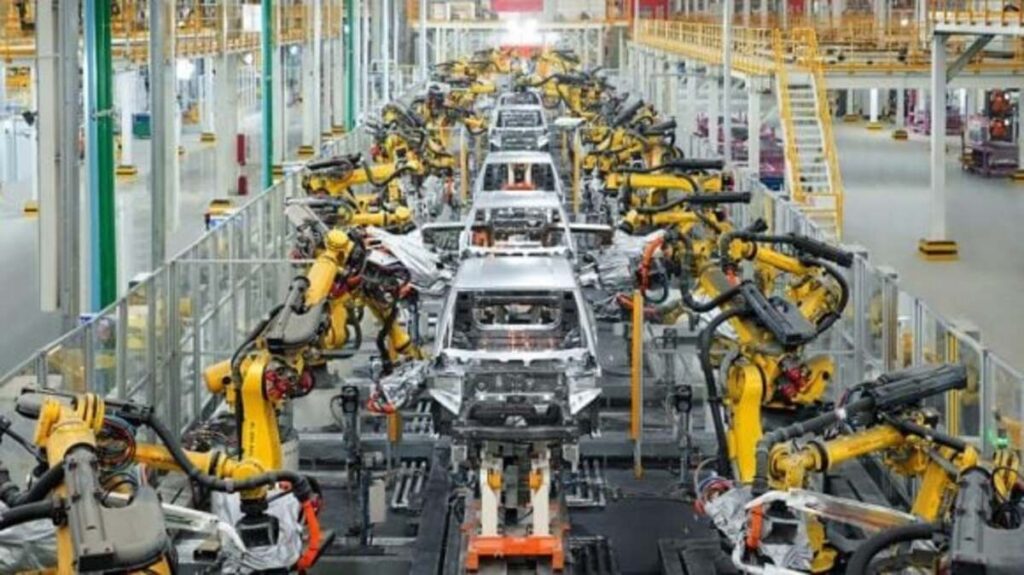
China’s electric vehicle sector has undergone a significant transformation over the last decade, moving from a focus on imitation to one of genuine innovation. However, as these vehicles begin to populate international markets, a pressing issue has surfaced: ensuring customer satisfaction post-purchase. To address this, China—home to the world’s largest automaker market—is ramping up export regulations to enhance quality and after-sales support for global customers.
The underlying challenge of China’s EV success
In recent years, Chinese electric vehicles have evolved from mere novelties to formidable contenders in the market. Brands such as BYD, MG, and NIO have captivated drivers with their stylish designs and cutting-edge technology. Yet, many international buyers are finding that while purchasing these vehicles might be straightforward, maintaining them is fraught with challenges.
Issues such as long delays for spare parts, scant repair networks, and erratic after-sales support have been particularly prevalent among MG owners in Europe. Some report waiting weeks—or even months—for parts after minor accidents or mechanical issues.
This situation has proven frustrating for customers who expected the same reliability found in Japanese and Korean brands. A London-based automotive analyst pointed out, ‘It’s not enough to just create excellent cars; manufacturers must be ready to support them once they hit the road.’
New export licensing for EV manufacturers
Previously, only the exports of petrol and hybrid vehicles required such authorization. This new regulation will restrict electric vehicle exports to approved companies, effectively prohibiting unlicensed dealers from exporting vehicles without adequate after-sales support.
Policy experts argue this initiative aims to elevate international standards for Chinese exports, ensuring consumers have access to professional support, including assured warranties and prompt availability of spare parts.
Enhancing service while saving face
While these measures won’t resolve all issues immediately, they mark a pivotal move toward improving reliability across the sector. Licensed manufacturers will be mandated to offer customer service for at least the customary two-year warranty period and to ensure spare parts are accessible in a timely manner.
Industry experts suggest this change could help regain the trust of European and Asian consumers, many of whom have been hesitant about embracing Chinese EVs due to concerns about the adequacy of service support.
Interestingly, challenges with service aren’t exclusive to Chinese automakers. Renowned European manufacturers such as Renault, Peugeot, and Citroën have also faced scrutiny for protracted repair times—highlighting that the struggle for efficient EV maintenance is a global issue.
Safeguarding China’s automotive front-runners

The new export regulations are also a strategic approach to stabilizing China’s crowded automotive market. With numerous manufacturers vying for market share, a chaotic price war has emerged, endangering smaller companies and eroding profit margins.
By controlling which manufacturers are permitted to export, the Chinese government aims to mitigate unfair competition and support the nation’s strongest players—particularly BYD, the globe’s leading electric vehicle producer.
BYD has announced significant investments in Hungary and Turkey, where it intends to establish new factories to cater to the European market. To ensure the success of these initiatives, China must guarantee that its vehicle exports align with global standards for reliability and customer service.
Shifting from quantity to quality
Ultimately, China’s directive to its automotive manufacturers is clear: quality is as crucial as quantity. The nation’s automotive journey has been remarkable, yet sustaining that trajectory will necessitate more than just innovation—it will require a commitment to accountability, transparency, and a long-term focus on customer relations.
If successful, these reforms could reshape the perception of Chinese vehicles from “low-cost alternatives” to legitimate contenders for global market leadership. As one industry expert aptly put it, ‘This isn’t solely about cars; it’s about credibility. For China, that’s become the most valuable export of all.’





