
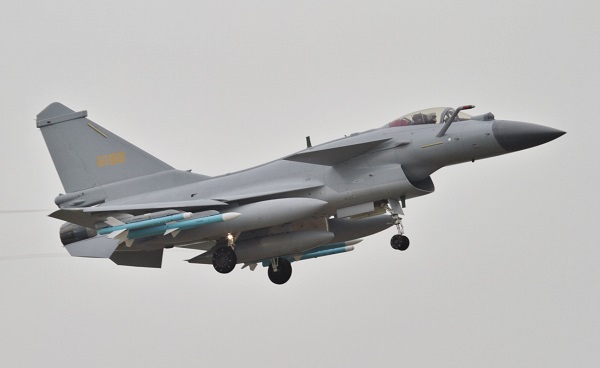
After months of speculation and diplomatic back-and-forth, it seems Bangladesh has made a decisive move in its air force modernization efforts. While there had been significant interest in European aircraft, Dhaka is now tilting towards a partnership with Beijing – a move that could notably alter the balance of power in South Asia’s aerial domain.
From Rafale Aspirations to Chinese Reality
Over the past year, Bangladesh had been considering the acquisition of the Rafale, a fighter jet from France’s Dassault Aviation, or the Eurofighter Typhoon, developed by a coalition of European nations including the UK, Italy, Germany, and Spain. Both aircraft were viewed as frontrunners to replace Bangladesh’s ageing fleet of Chengdu F-7s, which are Chinese-built versions of the Soviet-era MiG-21, alongside a handful of outdated MiG-29s.
At one point, it seemed the Rafale had the edge, with reports suggesting negotiations to purchase four used jets from the French Air and Space Force—followed by plans for eight new jets upgraded to the advanced F4 standard. However, domestic political turmoil, including the ousting of the country’s prime minister in mid-2024, abruptly derailed discussions with Paris.
The Eurofighter Typhoon, vigorously endorsed by Italy’s Leonardo, momentarily took the spotlight. In May, Air Chief Marshal Hasan Mahmood Khan traveled to Italy to observe demonstrations and discuss possible collaborations. Talks carried on into September, with Khan meeting Italy’s ambassador in Dhaka to further explore defence collaboration.
Then, out of the blue, another contender surged ahead in the race.
Enter the Chengdu J-10CE
According to Bangladeshi defence officials, the country is on the cusp of finalizing a deal with China for the Chengdu J-10CE, a multirole fighter already in service with both Pakistan and the People’s Liberation Army Air Force.
This shift followed a meeting earlier this year between interim Bangladeshi leader Muhammad Yunus, recognized globally as a pioneer in microfinance, and Chinese President Xi Jinping. Sources indicate that Beijing’s offer was not only more economical but also came with long-term commitments for training, maintenance, and spare parts.
Despite being based on a 1990s design, the J-10CE is far from obsolete. It boasts an active electronically scanned array (AESA) radar, advanced electronic warfare systems, and a Shenyang WS-10B engine capable of thrust-vectoring for enhanced agility. Equipped with modern PL-10 and PL-15 air-to-air missiles, the aircraft marks a significant upgrade for the Bangladeshi Air Force.
Financing a Modern Fleet
The interim government in Dhaka has reportedly earmarked $2.2 billion over the next ten years for new fighter acquisitions. The urgency behind this move is palpable—many of the current F-7 jets are reaching the end of their operational lifespan, creating vulnerabilities in national air defence.
An interministerial committee led by General Khan has been established to negotiate the deal’s specifics with Beijing. Reports suggest that the committee is examining whether to procure the jets directly from the Chinese government or through a designated agency, while also finalising plans for maintenance, pilot training, spare parts, and payment structures.
Navigating Geopolitics
However, this decision comes with its own risks. As noted by retired Bangladeshi general and security analyst ANM Muniruzzaman, any significant arms deal with China must carefully consider the country’s delicate position between Washington and Beijing.
“Tensions between the U.S. and China need to be managed delicately before finalizing this purchase,” Muniruzzaman cautioned. “Nonetheless, the necessity for modern combat aircraft is unquestionable.”
Opting for the J-10CE also places Bangladesh firmly within China’s expanding defence framework across Asia—a network already encompassing Pakistan, Myanmar, and Cambodia.
A Strategic Turning Point
For Bangladesh, this potential agreement signifies more than a mere upgrade of its aircraft capabilities. It represents a strategic realignment away from Europe and towards Asia’s preeminent defence manufacturer. This shift illustrates an increasing confidence in Chinese military technology, which was once considered inferior but is now increasingly seen as competitive.
If secured, this deal could fundamentally transform Bangladesh’s air capabilities and mark yet another chapter in Beijing’s expanding influence in the region.
As one aviation analyst observed, “Choosing the J-10 isn’t solely about combat effectiveness—it’s about forging partnerships, navigating politics, and determining the future direction of Bangladesh’s defence strategy.”





