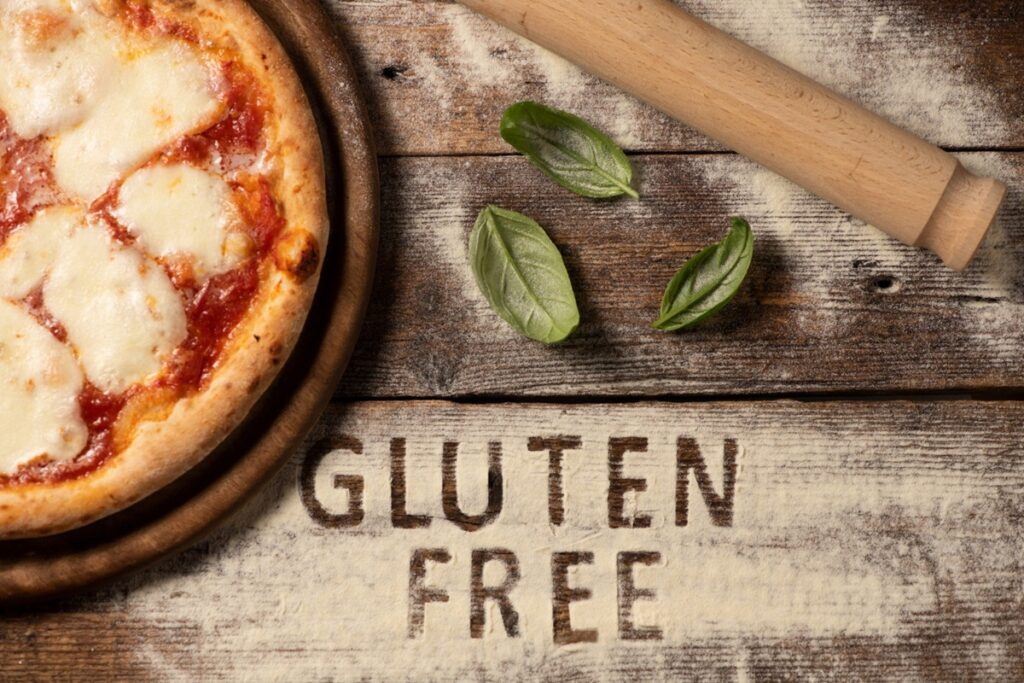
Adopting a gluten-free diet is not trivial. Between benefits and deficiencies, discover what really changes in your body when you adopt this diet.
According to My Protein Magazine, removing gluten from your diet can have notable effects on digestion, energy, and well-being.
Present in wheat, barley, or rye, gluten is a protein that some people digest poorly. But is it really necessary to eliminate it to be in better health?
When gluten becomes difficult to digest
Gluten hides in many everyday foods: bread, pasta, pastries, pizzas… In principle, it poses no problem for the majority of people. But for those who are intolerant or suffer from celiac disease, it can cause real digestive suffering: bloating, diarrhea, abdominal pain, or great fatigue.
In people with celiac disease, gluten causes an inflammatory reaction in the intestine, leading to absorption problems for essential nutrients.
In this specific case, a gluten-free diet is essential and significantly improves quality of life.
The benefits of a gluten-free diet
Adopting a gluten-free diet can help relieve digestive symptoms and restore a better energy level. According to a finnish study, people with celiac disease who followed this diet for a year saw their troubles disappear and their quality of life improve.
At the same time, eliminating gluten pushes one back toward a more natural diet, based on raw products such as fruits, vegetables, lean meats, fish, or legumes. This often reduces the consumption of ultra-processed foods and added sugars, with an overall beneficial effect on health.
The risks of an unjustified gluten-free diet
Be careful, however: if you are neither allergic nor intolerant, removing gluten brings no medical advantage. On the contrary, it can lead to deficiencies in vitamins and minerals, such as vitamins b12 and d, iron, calcium, zinc, and magnesium.
In addition, many industrial “gluten-free” products contain more fats and sugars to compensate for the texture, which can cause weight gain in the long term. Finally, whole grains containing gluten remain an important source of fiber and nutrients that would be a shame to discard without reason.