They look pretty in the basket, but they are not always compatible. Some fruits speed up the ripening of others and can make everything rot faster.
Here are the ones you should separate to avoid bad surprises.
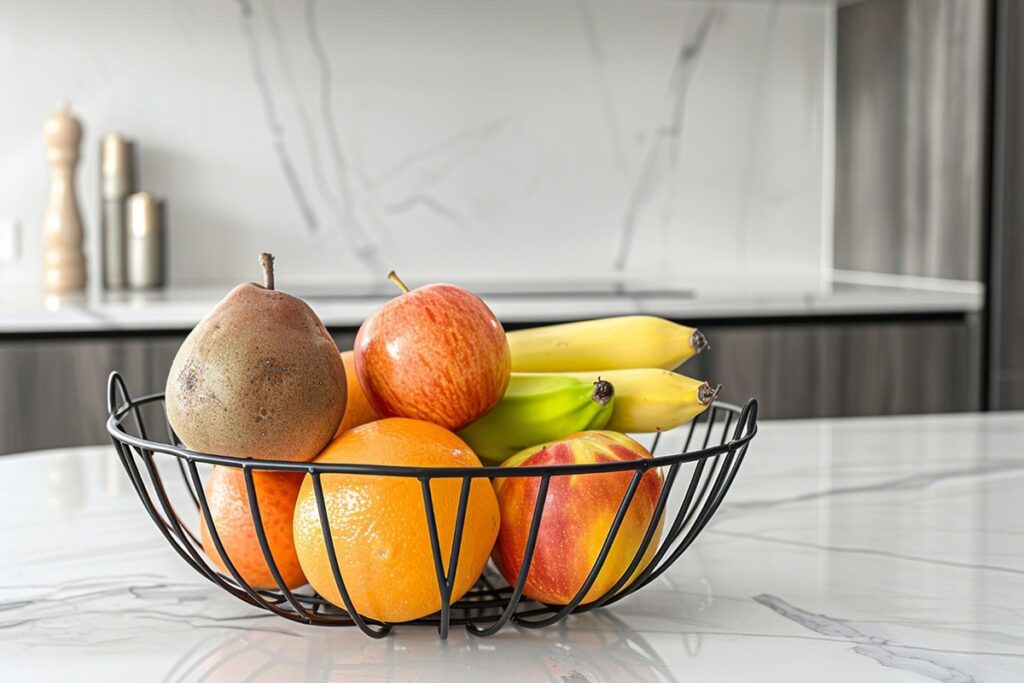
The fruit basket sits proudly on the worktop. It is pretty, colorful, and makes you want to take a bite. However, not all fruits live there in perfect harmony.
Some speed up the ripening of their neighbors, sometimes a little too much. The result: you quickly get mold and softened fruit. But what can you do to avoid food waste? You must choose these basket roommates carefully.
Ethylene, the gas that causes trouble
If some fruits rot too quickly, it is often because of natural ethylene. This gas is produced by so-called climacteric fruits, those that continue to ripen after being picked.
This team includes apples and avocados, but also bananas, pears, kiwis, mangoes, plums, or peaches.
Placed together, these fruits can be practical for ripening an avocado that is a bit too hard. But next to fragile fruits, it is a disaster waiting to happen.
Sensitive fruits: separate them urgently
Some fruits are true ethylene sponges. Strawberries, raspberries, blackberries, citrus fruits, watermelons, or melons handle proximity to climacteric fruits very poorly. Pairing them means taking the risk of seeing them mold or soften before your eyes.
We therefore absolutely avoid putting apples and bananas with red berries, avocados with citrus fruits, or pears with strawberries.
To stay organized, the ideal is to create two distinct zones in the kitchen or to monitor fragile fruits very closely if you plan to eat them quickly.
On the other hand, some fruits stop ripening completely after harvest. These are non-climacteric fruits such as citrus fruits, grapes, pineapple, or strawberries.
For them, there is no point in trying to ripen them further.
Fridge or no fridge, that is the question
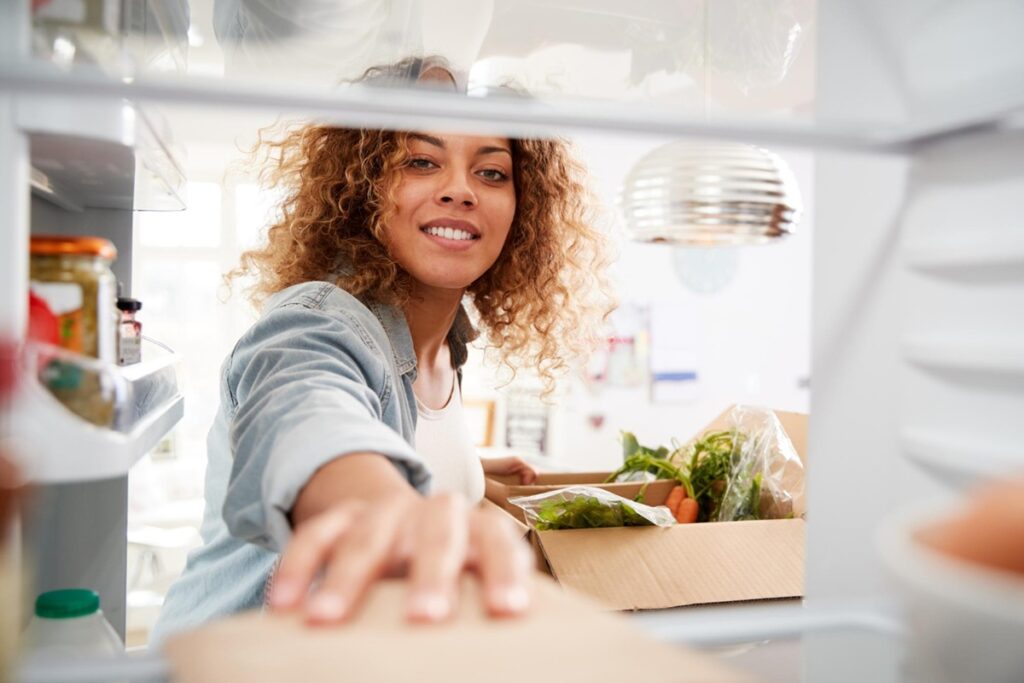
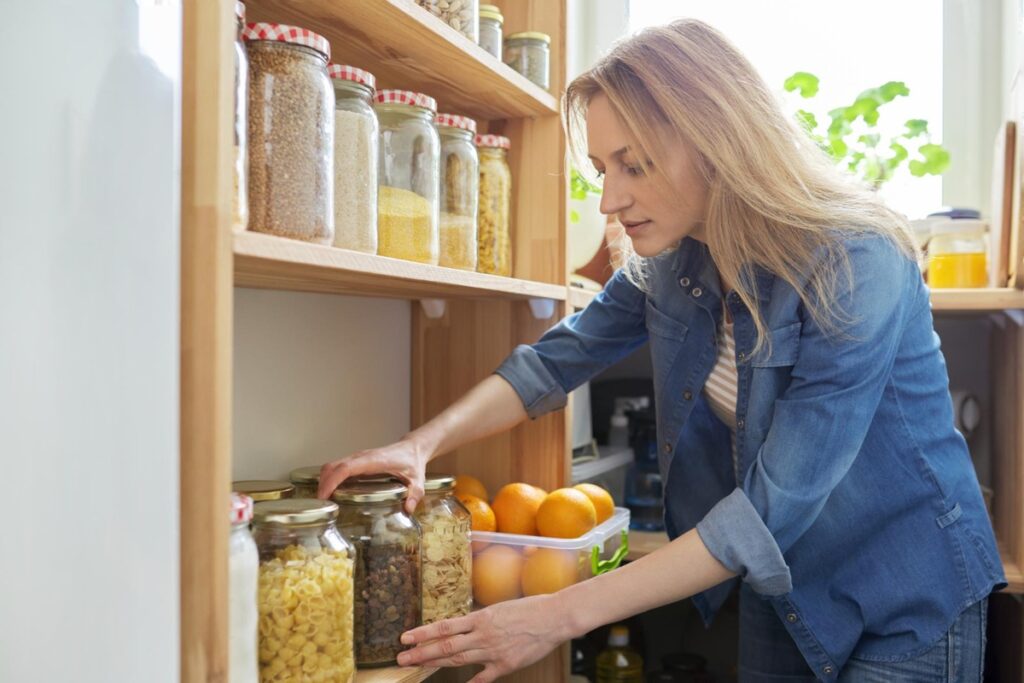
Another daily dilemma: the fridge or room temperature? Most fruits store very well outside of the refrigerator.
Bananas, peaches, grapes, or avocados clearly prefer the basket. Even worse, the cold can make them lose flavor, especially for melons, peaches, or tomatoes.
Red and exotic fruits appreciate the coolness a bit more if you want to extend their shelf life. The simple trick is to place them on the fridge shelves, which are less cold than the vegetable drawer, and take them out an hour before eating to wake up their flavors.
Now you know how to best preserve your fruits and enjoy all their health and taste benefits!