
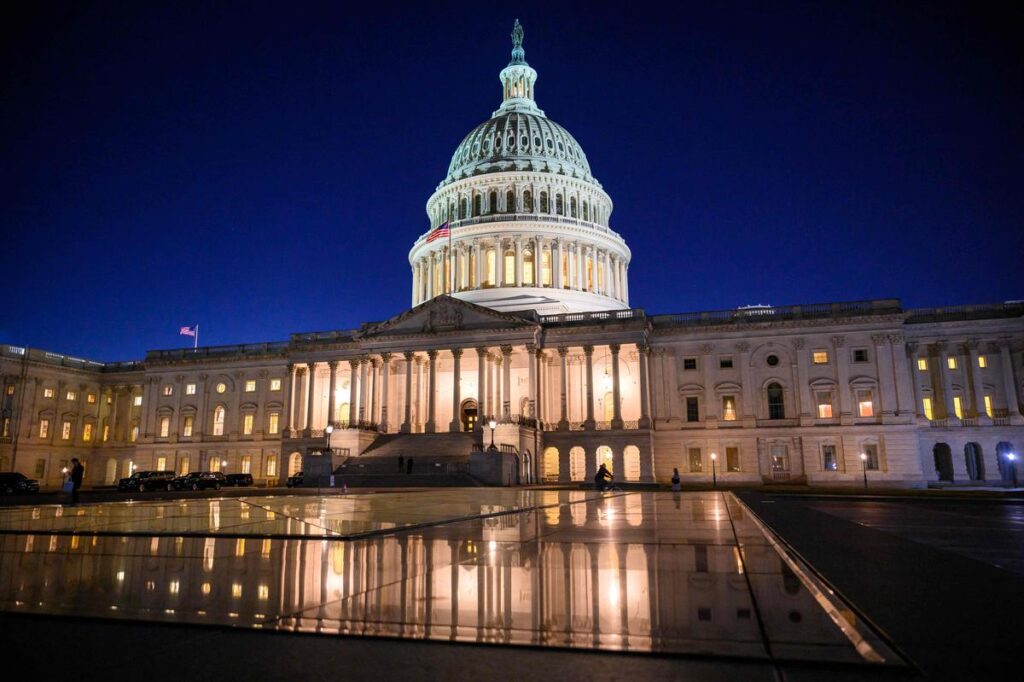
As the United States teeters on the brink of a potential federal shutdown, tensions in Washington are palpable. With the budget approval deadline looming, government employees, contractors, and countless Americans reliant on federal services are anxiously awaiting the outcome.
Political Tensions Rise Ahead of Budget Deadline
With the end of the month fast approaching, Congress faces a critical task: passing a new budget—or even a temporary extension—to avert a government shutdown. Failure to do so would result in significant disruptions to U.S. governance, forcing thousands of employees to stay home without pay.
A memo from the Office of Management and Budget (OMB) this week highlights the gravity of the situation. Agencies are being instructed to draft contingency plans that could lead to widespread layoffs, especially in departments lacking secure funding or external financial support.
Russel Vought, Director of the OMB, reminded agency heads that historically, Congress has achieved bipartisan agreements by the deadline for the past decade. However, he warned that “this year, Democrats seem poised to stray from that precedent.”
Implications of a Government Shutdown
The ramifications of a shutdown extend far beyond political drama. It translates into hundreds of thousands of workers being furloughed, unpaid wages, and delays in crucial public services. Air travel could face disruptions, national parks may close their gates, and millions of Americans relying on essential benefits like food assistance and healthcare could experience disruptions in vital services.
The Congressional Budget Office (CBO) estimates that the 2018–2019 shutdown cost the U.S. economy around $11 billion, a significant portion of which has never been recouped. Another shutdown could send shockwaves through an economy already struggling with inflation and uncertainty.
For federal employees, the impending situation is all too familiar. A worker from the Department of Housing and Urban Development (HUD) in Maryland recounted the routine of saving up money for groceries and fuel, hoping that their agency is classified as essential. “It’s a bizarre way to live,” they remarked.
A Stalemate With No Clear Resolution
Currently, Republicans, who control both chambers of Congress, are advocating for a seven-week stopgap funding plan. This proposal aims to extend government funding until late November, allowing for further negotiations.
On the other hand, Democrats contend that this proposal overlooks critical issues like healthcare spending. Senate Minority Leader Chuck Schumer dismissed the OMB memo as mere scare tactics, accusing the administration of leveraging federal jobs for political leverage. “This isn’t leadership,” he remarked. “It’s intimidation.”
As of now, no discussions have been scheduled between the President and Democratic leaders to resolve the gridlock.
The Human Impact Behind the Numbers
The real consequences of a government shutdown are felt in the daily lives of ordinary citizens. Families depending on federal salaries, small businesses reliant on government contracts, and individuals awaiting permits or grants could find themselves in a state of prolonged uncertainty.
According to economists from Moody’s Analytics, every week of shutdown could reduce GDP growth by 0.1% and undermine public confidence in the government’s ability to function effectively.
For the time being, agencies are advised to maintain normal operations while keeping a wary eye on the impending deadline. If Congress does not reach an agreement by midnight on the 30th, the United States may awaken to a reality of closed offices, delayed services, and yet another stark reminder of the precarious nature of political compromise.
As one seasoned civil servant aptly put it: “We don’t need more speeches. We just need them to pass a budget so we can do our jobs.”





