
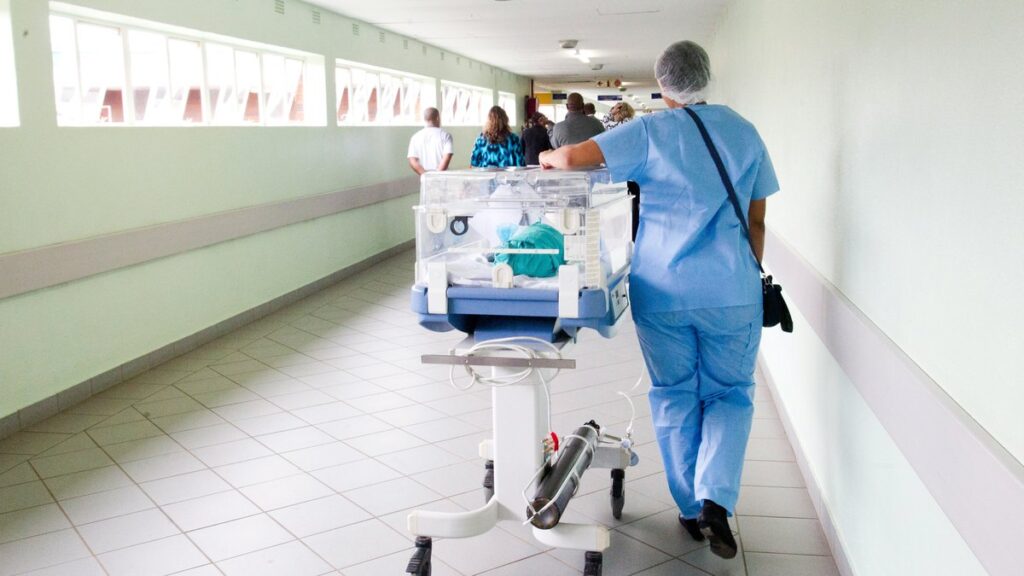
For many parents, receiving a letter from the authorities typically signifies routine bureaucratic dealings. However, for Mar, a single mother residing in Catalonia, the arrival of such a letter felt like a stone dropped into already turbulent waters. After nine challenging years navigating hospital corridors, treatment schedules, and mounting medical bills alongside her son, she was stunned to find that the financial support meant to assist them was suddenly deemed “unduly received.” To make matters worse, this debt had been unjustly attributed to her 14-year-old son.
An Unfinished Battle
Sergi has spent a significant portion of his childhood confined under the fluorescent lights of hospitals rather than enjoying time on playgrounds. Diagnosed with leukaemia at just five years old, he endured nearly a decade filled with chemotherapy, tests, and the relentless cycle experienced by many families battling cancer. Against all odds, the illness finally began to loosen its grip.
But the sense of relief was fleeting. One morning, a registered letter arrived demanding €5,000 in repayments for social aid that officials claimed should never have been granted. The envelope addressed to Sergi was a harsh wake-up call.
For Mar, who has been solely responsible for raising her son while managing the financial pressures of medical supplements, hospital travel, car parking fees, and a myriad of hidden costs that Spain’s public healthcare system doesn’t cover, the shock was immediate. Back in 2016, a social worker had guided her to a monthly allowance of €263 – a critical lifeline during a challenging time when every cent mattered.
A Complicated Administrative Quagmire
What Mar didn’t know was that her predicament was far from unique. At the tax office, staff disclosed that the debt had been quietly accumulating for years, exacerbated by the fact that official notifications had been wrongly sent to a different address. Because no communication had been received, late-payment interest had compounded significantly.
Even more concerning was the fact that unless the matter was resolved, the debt would be transferred to Sergi once he turned 18. An official ominously remarked, “Once he has his first job, they could start taking money directly from his wages.” Alarmed, Mar sought assistance from the Síndic de Greuges, Catalonia’s ombudsman.
At the Síndic’s office, Mar discovered she wasn’t alone; over 60 families were facing a similar crisis. The root cause was traced back to an administrative error dating back more than a decade.
A Flawed Reform Process
In 2012, the region attempted to modernise its social assistance calculation system, a move that seemed straightforward on paper. In reality, it was poorly implemented. Families continued receiving the previous amounts without being informed that they were no longer eligible.
The staggering result is that households now face repayment demands ranging from mere thousands to as much as €25,000. For families already grappling with medical issues, disabilities, or financial insecurity, the shock is palpable.
The Síndic de Greuges has called this situation “unacceptable,” urging the Catalan government to completely cancel the debts.
A Long-Awaited Resolution
After months of public complaints and mounting pressure, the Generalitat finally responded. On 30 September, the government issued a decree stating that these so-called “undue payments” would no longer be collected. For families like Mar and Sergi, this signified the end of a struggle they never should have had to endure.
Their story stands as a stark warning of how bureaucratic errors can exacerbate the hardships faced by those already overloaded with challenges. Yet, it also highlights the importance of collective advocacy and the role of oversight institutions that safeguard citizens when the system falters.
For Sergi, the hope now is straightforward: to relish his teenage years—free from the looming spectre of debt over his future.





