
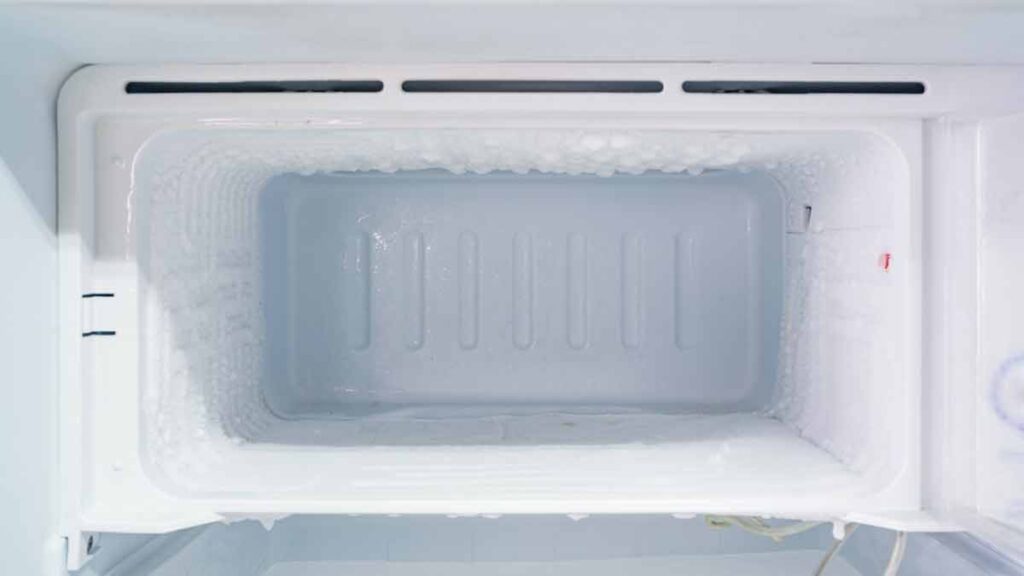
Freezers often seem to develop a notorious layer of ice right when you least want to deal with it. Fortunately, there’s a quick and cost-effective way to tackle that frost and, at the same time, trim down your energy costs. With just some aluminium foil, hot water, and a spare moment, you can enhance your freezer’s efficiency without it being out of action for half the day.
Understanding the Frost Factor
Frost tends to accumulate sneakily, much like an unwelcome visitor—just a few millimetres here, another patch there—until suddenly, your drawers barely budge. Experts advise defrosting at least twice a year, as the Energy Saving Trust reinforces that a thick layer of ice prompts your freezer’s motor to work overtime, driving up your electricity bill. When ice reaches around half a centimetre, it’s time to take action.
Addressing this issue early can mean less scraping, shorter wait times, and fewer exasperated sighs while staring into a frosty abyss.
Harnessing Aluminium Foil for a Swift Solution
Begin by lining the icy walls with sheets of aluminium foil, ensuring they adhere snugly to every frosted nook and cranny. Next, heat water in a sturdy saucepan—one that can maintain heat but is compact enough to fit inside your freezer with the door closed.
As soon as the water reaches a boil, place the pan inside the freezer and shut the door. The steam rising from the water, combined with the foil’s incredible conductivity, works wonders. When you open the door again, you’ll find large sheets of softened ice that can be easily pried away with a spatula.
If you encounter a few stubborn spots, simply press a hot cloth over the foil to help coax them loose. Wrap things up by wiping down the interior with a hint of white vinegar, which not only deodorises but leaves the space clean and ready to be restocked.
Why This Method Works So Efficiently
Aluminium is an outstanding conductor of heat, allowing it to evenly distribute warmth across frosted walls. When combined with the humid heat trapped inside the closed freezer, frost loses its grip far more swiftly than if you merely turned off the unit and waited for hours.
This technique sidesteps the tedious drip-drip-drip of slow melting. Instead, ice peels away in substantial slabs, reducing the time your freezer remains open—avoiding unnecessary energy waste. As highlighted by the UK Department for Energy Security and Net Zero, keeping door openings brief can significantly affect overall energy consumption.
Maintaining Optimal Freezer Efficiency
Employing this approach once in a while is beneficial, but incorporating it into your seasonal cleaning rituals yields even better results. Tackling frost early helps prevent the formation of that thick, stubborn layer that takes ages to remove. It also safeguards the appliance’s seals, stabilising temperature fluctuations and keeping your freezer running quietly and efficiently.
After clearing all frost, ensure the interior is thoroughly dried before turning the appliance back on. Starting fresh helps uphold the cold chain and guarantees your freezer functions at peak capacity. The result? Decreased energy usage and a longer lifespan for an appliance that quietly operates around the clock.
Key Takeaways for a Durable and Efficient Freezer
This aluminium foil technique is speedy, nearly effortless, and perfect for those moments when you need effective results without upending your entire day. Just a bit of heat, a few minutes, and a couple of aluminium sheets can efficiently banish ice buildup.
By keeping frost at bay, you reduce overconsumption, protect your appliance, and maximize precious storage space. It’s a small task that reaps surprisingly significant rewards—not just for your freezer, but also for your energy bill.





