
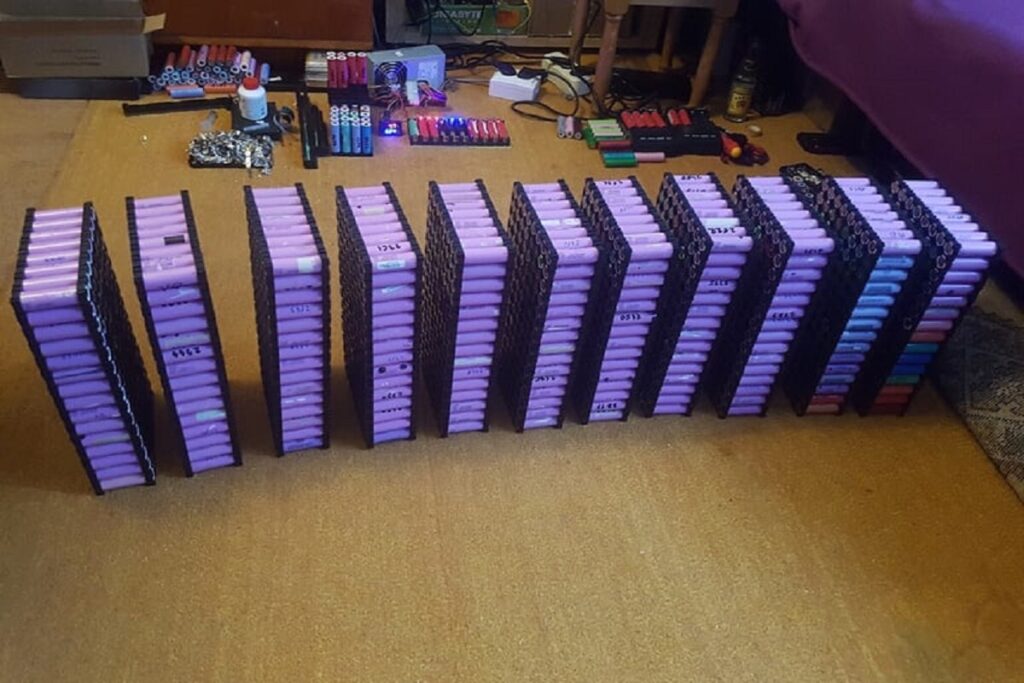
In a world where many of us eagerly upgrade our gadgets at the first hint of sluggishness, one Australian has been quietly demonstrating that older technology can still pack a punch. Since 2016, he has powered his entire home using repurposed laptop batteries and solar energy—a savvy DIY system that has kept his lights on, appliances humming, and his carbon footprint impressively low. What started as a personal experiment has evolved into a compelling model for sustainable living and energy autonomy.
The Genesis of Innovation
The idea sparked in late 2016 when he realised how many discarded laptops still housed batteries that had not fully reached the end of their life. “Most of these cells still hold a charge,” he thought, “so why toss them out?” What began as a modest side project swiftly morphed into a comprehensive off-grid energy system.
From a shed just 50 metres from his home, he started gathering old laptop batteries, meticulously testing and sorting them into operational cells. His initial framework featured approximately 650 lithium-ion batteries, assembled into thoughtfully configured packs. By linking them with sturdy copper wiring and incorporating solar panels, he established a self-sufficient circuit capable of efficiently storing and distributing power throughout his abode.
Nearly ten years on, the system is still as robust as ever—operating without a single fire, short circuit, or battery swap.
Navigating Technical Hurdles
As with any innovation, the journey wasn’t without its challenges. Early on, he encountered one of the foremost issues in battery repurposing: uneven discharge rates. Since each laptop battery ages at its own pace, their voltages often varied. To remedy this, he dismantled individual cells and reconstructed them into balanced modules, ensuring stable performance across the entire network.
As his project progressed, he scaled up the setup. Presently, it features 24 solar panels, each generating 440 watts of clean energy. Collectively, they provide sufficient electricity to sustain an average-sized home while ensuring consistent storage levels during overcast days and lengthy winters.
His unwavering commitment to maintenance and balance has reaped rewards—since 2016, his system has run without interruption, illustrating the enduring potential of reclaimed technology when treated with diligence and expertise.
A Vision for Self-Sufficient Living
What makes his project particularly motivational is its accessibility. There’s no need for corporate investment or cutting-edge technology to create something sustainable—just curiosity, perseverance, and a desire to rethink waste.
Renewable energy experts affirm that grassroots initiatives like this can significantly impact our energy landscape. According to the International Energy Agency (IEA), household solar storage systems could play a pivotal role in diminishing reliance on traditional power grids over the next decade, especially in light of rising energy costs and climate challenges.
His example also reshapes our perception of discarded electronics. The United Nations reports that the world generates over 50 million tonnes of e-waste annually. Ventures like this reveal that much of it retains untapped potential. With a sprinkle of creativity, yesterday’s waste can indeed power the homes of tomorrow.
Redefining Sustainability
For this innovative homeowner, embracing sustainability isn’t about making sacrifices—it’s about resourcefulness and resilience. His battery-powered life serves as a reminder that advancement doesn’t solely emerge from novel inventions; sometimes, it flourishes from reimagining existing resources.
His journey has inspired a wave of online DIY enthusiasts, homesteaders, and eco-conscious advocates to take similar paths, experimenting with everything from repurposed electric vehicle batteries to hybrid solar arrays. Each venture represents a move toward a less wasteful and more self-sufficient future.
Ultimately, his project extends beyond energy—it embodies a mindset shift. It illustrates that sustainability isn’t a luxury or passing fad; it’s an attainable goal that can start in a modest shed with a few tools and a heap of forgotten batteries.
And perhaps that’s the most powerful lesson from his story: transforming what others discard into a beacon of possibility.





