
—
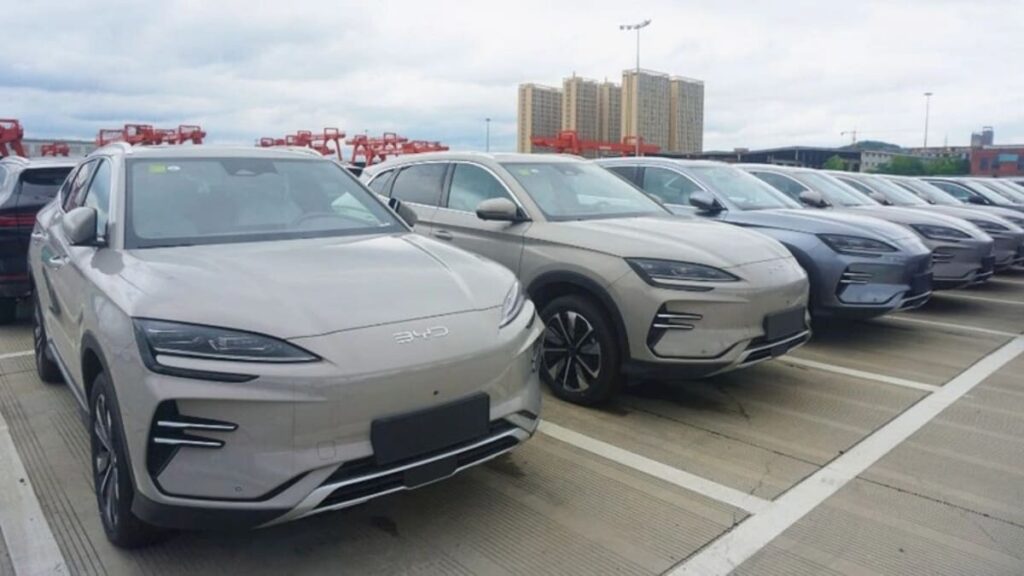
Beijing is tightening regulations on its rapidly expanding electric vehicle (EV) sector. Beginning in 2026, the Chinese government will implement stringent export rules aimed at enhancing the global reputation of its automakers. This decision follows an influx of complaints regarding subpar vehicles, missing spare parts, and inadequate after-sales service—issues that have significantly marred the image of “Made in China” cars in key markets.
China’s Shift from Quantity to Quality
China’s EV industry has skyrocketed, now representing over half of the global electric car sales. However, this rapid growth has led to emerging challenges. In recent years, smaller exporters, often unassociated with established car manufacturers, have exploited regulatory loopholes to send poorly supported or incorrectly labeled vehicles overseas.
Reports indicate that some resellers have been marketing new cars as “used” models, sidestepping export regulations and saturating markets in Africa, Eastern Europe, and South America with cheap but unsupported vehicles. Buyers, lacking warranties or access to spare parts, have struggled with these cars. The fallout? Frustration is mounting, contributing to the perception that Chinese vehicles are unreliable.
This presents a considerable issue for Beijing, which has invested billions into technology and innovation to position its automotive industry as a global competitor. As Wu Songquan, a senior expert at the Automotive Technology and Research Center, remarks, “Just as leading international brands established global trust through quality, Chinese manufacturers must adopt standardized processes and ensure high-quality exports through independent operations.”
Restricting Exports: A Filter for Serious Players
Starting in January 2026, China will mandate that all EV exporters obtain official licenses, a requirement already in place for traditional petrol and hybrid vehicles. Only registered manufacturers and authorized partners will be permitted to sell vehicles abroad.
The objective is clear: to eradicate unregulated middlemen who have turned China’s export landscape into what officials describe as a “Wild West.” These intermediaries have been known to undermine legitimate manufacturers by selling vehicles at cut-rate prices, forcing official automakers to compete primarily on price rather than quality. The new framework aims to restore control, accountability, and transparency—key components for regaining consumer trust.
For China, this initiative isn’t merely about implementing discipline; it represents a long-term strategy. By filtering out unscrupulous exporters, the government hopes to encourage domestic manufacturers to prioritise reliability and durability—attributes associated with brands like Toyota, Volkswagen, or Hyundai.
Rebuilding Global Confidence in “Made in China” Vehicles
China’s EV industry has made significant strides. Major players like BYD, Geely, and SAIC are now producing cars that challenge European and Japanese competitors in terms of design and performance. However, the challenge remains in altering public perceptions. In Europe and North America, Chinese cars have often been perceived as budget alternatives rather than credible threats to established brands.
By emphasizing quality over quantity, Beijing is striving to reshape this narrative. Industry analysts see this as a crucial step for Chinese automakers if they wish to penetrate premium markets and not just emerging ones. “It’s a sign of industry maturation,” observed Mark Andrews, an automotive consultant based in Shanghai. “A brand cannot dominate the global market without consumer trust.”
Focusing on Reliability Amid Global Challenges
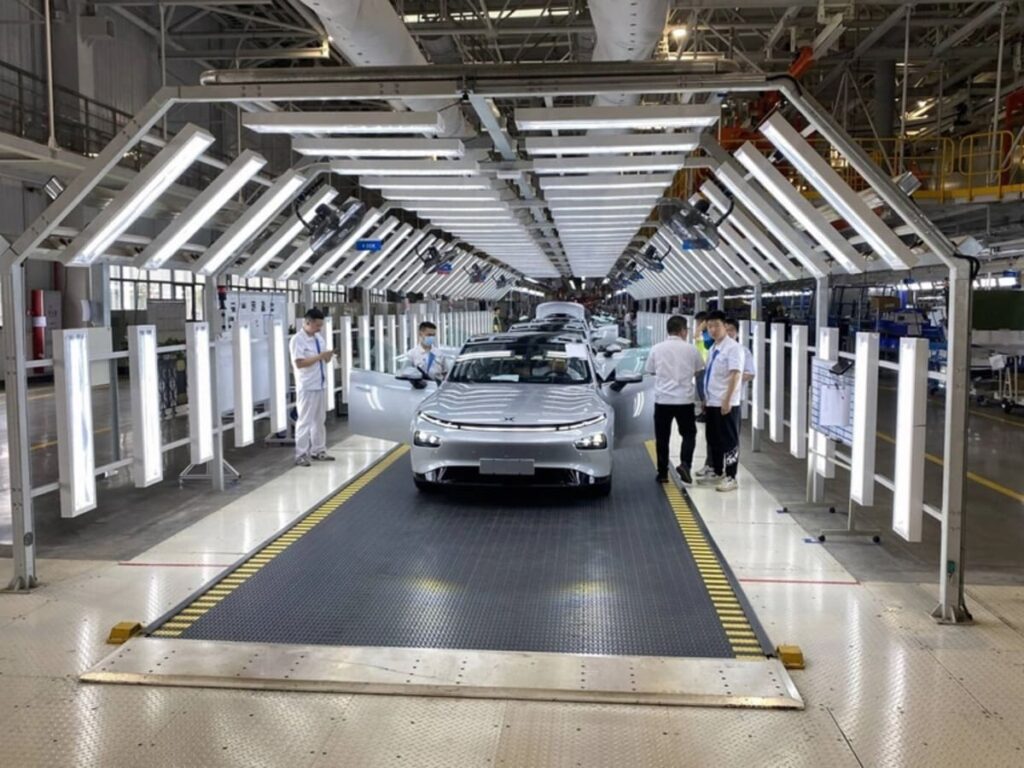
Despite rising trade tensions and impending import tariffs in Western markets, China’s objectives remain steadfast. Officials maintain that EV exports will continue to be a driving force for economic growth—as long as they are built on pillars of consistency and credibility.
The message from Beijing is unequivocal: the days of quick profits and careless exports are over. The future belongs to those capable of delivering not only affordable innovation but also dependable engineering.
In essence, China isn’t slowing down its automotive revolution—it’s simply learning to navigate it more adeptly.





