
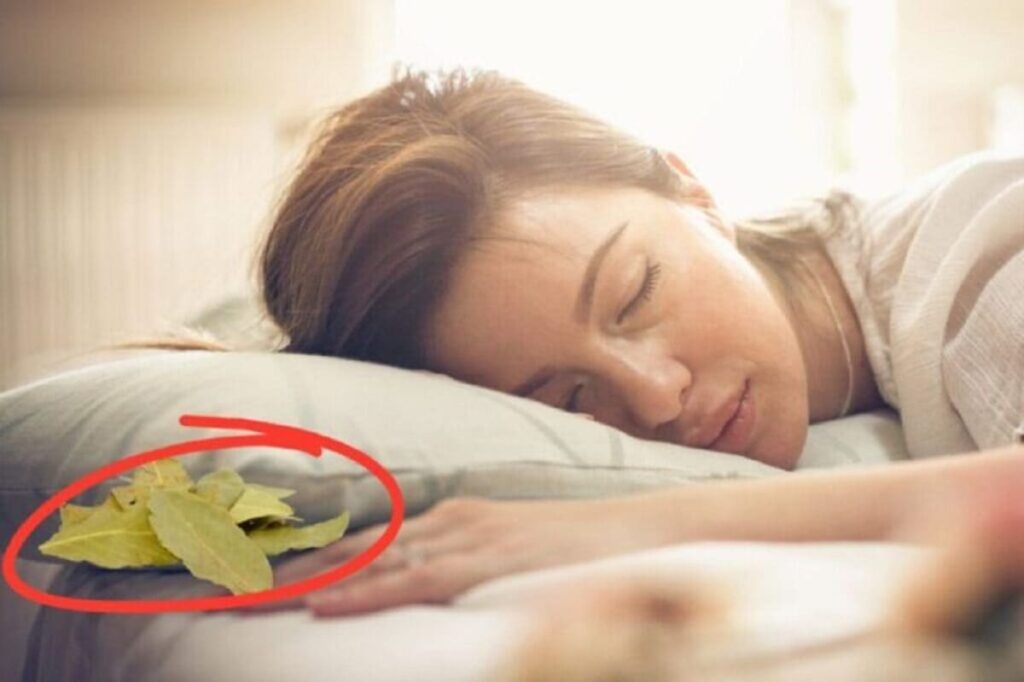
In the vast world of unconventional sleep remedies that flood the internet, certain tips resonate more than others, particularly when they weave together elements of tradition, nature, and a hint of mystery. Lately, an intriguing trend has emerged: people are tucking bay leaves under their pillows—not for culinary uses, but to enhance their sleep quality. This age-old remedy is making a significant resurgence, and having explored numerous herbal techniques myself, I can vouch for its surprisingly captivating nature.
A Surprising Resurgence of the Bay Leaf as a Sleep Aid
Bay leaves are typically known as the unsung heroes that bring depth to soups and stews, but they have a rich background in folk medicine, where they were thought to ease anxiety and encourage relaxation. Today, they’re re-emerging as a sleep remedy—demonstrating that sometimes the most straightforward solutions endure for a reason.
Natural Comfort with Sleep Benefits
If your mind is racing and stuck on a repeated loop at night, consider a bay leaf. This humble leaf is said to contain compounds that may lead to reduced stress, a lower heart rate, and mild sedative effects, as suggested by herbal medicine advocates. While it’s not a replacement for professional treatment of sleep disorders, many people have reported that it helps them drift off more easily without the lingering grogginess associated with medication.
Transforming Your Pillow Into a Bay Leaf Sanctuary
Utilising bay leaves for better sleep is refreshingly straightforward:
- Opt for dried bay leaves (if using fresh ones, they require about ten days to air-dry).
- Place one or two leaves beneath your pillowcase.
- Optional: Brew a warm cup of bay leaf tea before bed for an added touch of tranquility.
Think of it as a small ritual signalling your mind to shift into relaxation mode—similar to dimming the lights or turning off electronic devices.
Caution: Know Your Leaves
However, not all “laurel” varieties are safe for use. Ensure you’re using bay laurel (Laurus nobilis)—the culinary variety with broad, deep green leaves. Steer clear of oleander (Nerium oleander), which has long, thin leaves and is extremely toxic. When in doubt, purchase culinary bay leaves from a trusted retailer.
Beyond Sleep: The Versatility of Bay Leaves
If you have bay leaves stashed away in your spice cupboard, you’ll know they have benefits that extend beyond the kitchen. They can help reduce the need for added salt in cooking, and their essential oils serve as a natural moth repellent, which is why some people tuck them into drawers or cupboards.
In this light, placing a bay leaf in your pillow is merely an extension of its impressive skill set.
The Conclusion: An Easy Ritual with Potential Benefits
If you’re open to trying natural sleep aids, this is a cost-effective and uncomplicated one to explore. While bay leaves may not work wonders, their soothing scent and historical use offer a gentle companion for nighttime rest.
And if you find success, don’t keep it to yourself—some of the most treasured remedies are those quietly shared from one person to the next, much like a cherished song suggested to a friend.
Sweet dreams—and may the scent of the forest linger softly around your pillow.





