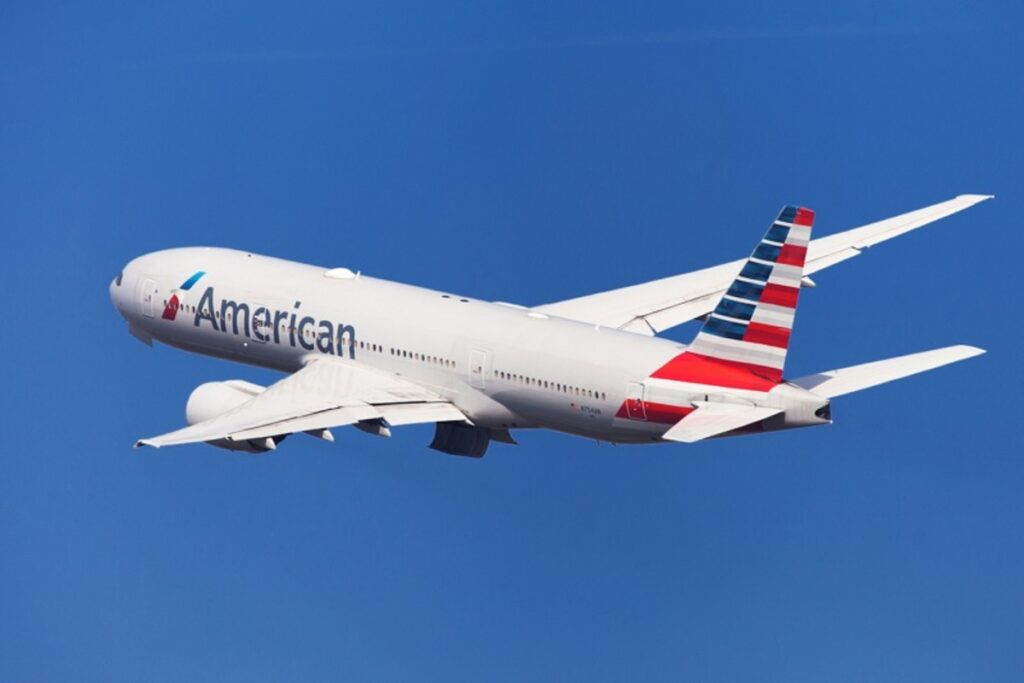
Air travel is often anything but glamorous, a reality underscored by one passenger’s discomforting three-hour flight that ignited a worldwide discussion about personal space, empathy, and the responsibilities of airlines to their customers. What commenced as a blunt social media tirade concluded with a public apology and an unexpected gesture from the airline involved.
A Squeeze at 30,000 Feet
Frequent flyers know the all-too-familiar discomfort: knees crammed against the seat ahead, elbows battling for coveted armrest space, and the sense that economy class seems to shrink with each passing year. For Sydney Watson, on a recent domestic U.S. flight, this discomfort reached a boiling point.
Sandwiched between two larger passengers, she felt physically constrained throughout the flight. With limited room and nowhere to comfortably position her arms, she took to social media mid-flight to share her experience in stark and candid terms, declaring that her personal space had all but evaporated, with her body in constant contact with her seatmates. Her post, complete with photos, quickly went viral.
While some rallied to her side, others accused her of fat-shaming, arguing that public transportation demands a degree of tolerance, and her language was unreasonably harsh. As expected, the online community split into diverging factions.
When Complaints Go Viral
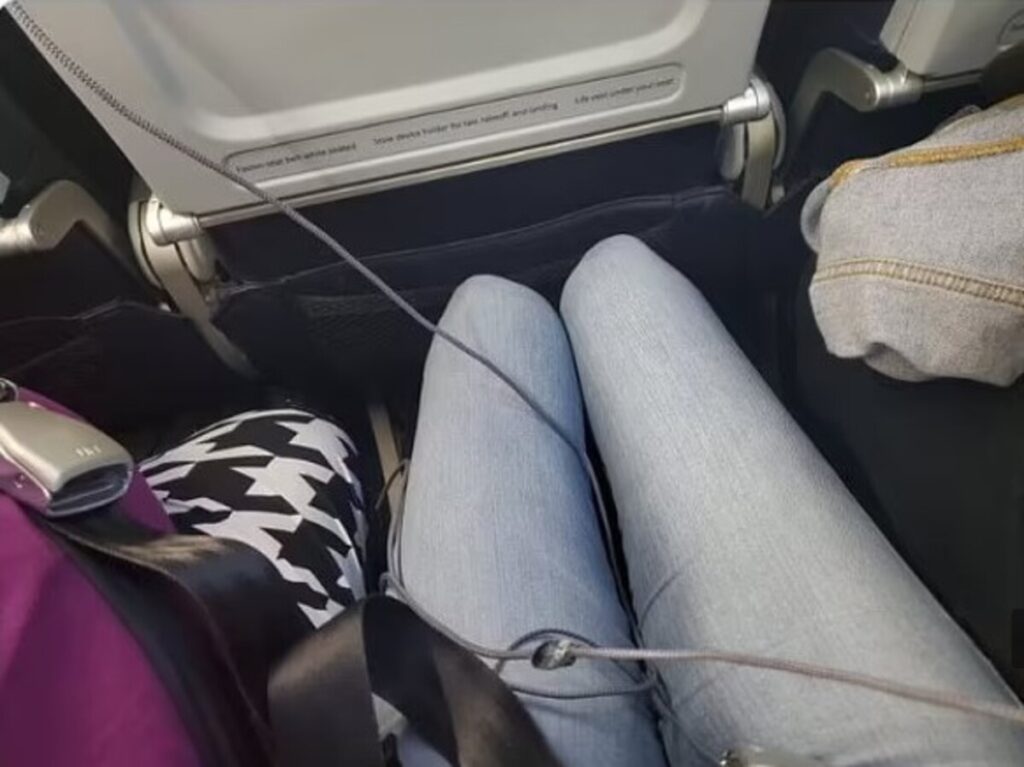
Though airlines grapple with seat complaints on a daily basis, they rarely unfold on such a public stage. Initially, the airline in question responded with a generic statement: passengers come in all shapes and sizes, and they regretted that Watson’s flight was uncomfortable. Her formal complaint was ultimately dismissed.
From a customer service standpoint, the airline appeared to have closed the case. However, the online discourse continued to swell, attracting input from health advocates and frequent flyers who shared their own tales of cramped conditions and uncomfortable journeys.
A week later, the airline contacted Watson directly, acknowledging her dissatisfaction and offering her a $150 travel voucher as a gesture of goodwill. Their message emphasised a commitment to preventing seating issues whenever possible, even if on-the-spot resolutions cannot always be provided.
Compensation vs. Emotional Resolution
Watson shared the airline’s email publicly, but her reaction was far from jubilant. She deemed the compensation inadequate, expressing a desire to allocate the money towards something more meaningful. In her view, this gesture failed to address the fundamental issues surrounding airline seating arrangements and discomfort in tightly packed cabins.
This situation highlights a well-known reality in air travel: financial compensation doesn’t equate to emotional relief. Many passengers familiar with receiving vouchers after delays understand that while it may provide some remedy, it seldom erases the memory of the unpleasant experience.

A Wider Discussion on Comfort and Consideration
This incident illustrates the delicate balance in air travel. Passengers expect a certain level of comfort relative to their ticket price, while airlines and advocacy groups remind travellers that flying is a shared experience, necessitating mutual patience and respect.
Organizations such as the International Air Transport Association (IATA) admit that cabin density has escalated over the decades as airlines attempt to keep fares competitive. Concurrently, consumer advocates are pushing for clearer policies surrounding seating, armrest etiquette, and accommodations during fully booked flights.
From what I’ve observed, tensions can escalate quickly within cramped seating. A simple conversation with the cabin crew can occasionally result in a seat change or a discreet dialogue that alleviates discomfort. Yet going public transforms a private grievance into a public spectacle, and that brings certain repercussions.
Insights from a Viral Situation
This narrative extends beyond a singular flight experience; it illustrates how social media has altered the dynamic between consumers and companies. A once-private complaint can rapidly garner public scrutiny, compelling brands to address not only the individual concern but also the broader implications raised by public sentiment.
For passengers, the lesson may lie in framing their grievances thoughtfully. Conversely, airlines are reminded that cabin comfort will continue to be a contentious issue, particularly as travel recovers and aircraft become increasingly packed.
In the end, Watson received unexpected compensation, albeit one that didn’t meet her expectations. However, the greater impact of her post may be the dialogue it instigated—centered on empathy, expectations, and the mutual responsibilities we share when we are all wedged into the same narrow row, thousands of feet in the air.