
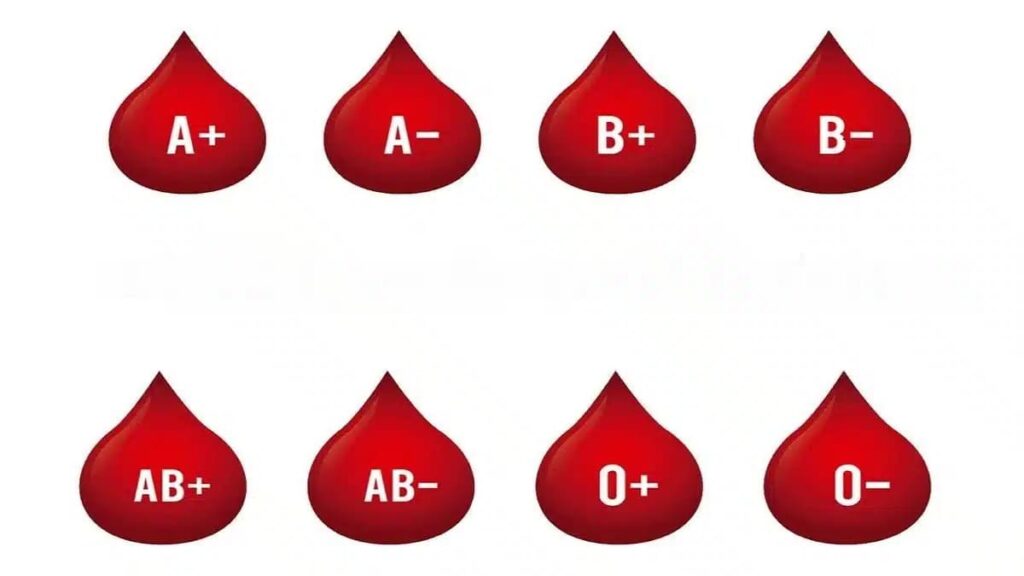
We’ve all dabbled in personality quizzes at some point, whether flipping through a magazine, sharing laughs with friends, or engaging in spirited chats over coffee. There’s something oddly reassuring about the idea that something so simple could reveal insights into our thinking patterns. One particularly intriguing theory posits a link between your blood type and aspects such as intelligence, emotional awareness, and even your work habits. Let’s delve deeper into this idea, armed with curiosity and a healthy dose of scepticism.
Blood Type A: The Organised Creatives
Individuals with blood type A are often seen as thoughtful, meticulous, and subtly creative. They thrive in structured environments and have a knack for multitasking. Friends within this group are the ones who seamlessly colour code their planners and never miss a birthday without a prompt.
This blood type is frequently linked with high emotional intelligence, a solid grasp of social nuances, and an ability to gauge the atmosphere. While this sensitivity often makes them great collaborators, it may also lead to stress when life feels chaotic.
Common career paths for this type include economist, librarian, accountant, or graphic designer—roles that value precision and a keen eye for detail.
Blood Type B: The Creative Mavericks
If your blood type is B, you might identify with being passionate, innovative, and fiercely independent. These are the individuals who light up a room and never shy away from new experiences. I recall a former colleague with type B who switched careers twice before hitting thirty, all sparked by an insatiable curiosity.
This group is often believed to possess an excellent memory and strong creative thinking skills, though their thirst for independence can sometimes be misconstrued as erratic behaviour. The desire for freedom means that traditional routines may feel confining.
Career recommendations often include journalism, the arts, entrepreneurship, and music—fields where creativity and individuality are celebrated rather than constrained.
Blood Type O: The Innate Leaders
Blood type O individuals are commonly associated with confidence, optimism, and leadership qualities. They tend to have a knack for seeing the big picture, prioritising long-term goals over minute details. While their natural leadership abilities can sometimes appear self-serving, they are generally comfortable taking charge.
Advocates of this theory suggest that those with type O display notable resilience and determination—qualities that align with high IQ traits in strategic thinking and decision-making.
Typically noted careers include executive leadership, politics, acting, and public speaking, professions that reward charisma and persuasive skills.
Blood Type AB: The Thoughtful Diplomats
Those with blood type AB are often seen as a combination of types A and B. Adaptable, analytical, and emotionally aware, they supposedly balance logic with empathy. Initially, they may come off as reserved, but they are known for having a rich inner life.
This blend of traits can make them skilled problem solvers, although it may also lead to moments of indecision. People in this category generally prefer deep conversations over small talk.
Career paths commonly associated with this type include teaching, law, social work, and healthcare counselling—fields where both EQ and analytical prowess are essential.
What Does Science Have to Say?
It’s crucial to recognise that major health institutions like the NHS and American Red Cross do not endorse a scientific correlation between blood type and personality, intelligence, or career success. This notion is particularly popular in Japan and certain parts of East Asia, where it’s often used more as a social conversation piece than a medical certainty.
In essence, consider this theory as a lens through which to reflect on ourselves, not a definitive diagnosis.
A Novel Lens for Self-Reflection
Regardless of whether your blood type genuinely shapes your personality, these profiles can ignite engaging discussions and enhance self-awareness. At the very least, they prompt us to contemplate our strengths, blind spots, and how we interact with others.
Your career choices, intellectual capabilities, and emotional depth result from far more than just your genetic makeup. Still, as a light-hearted approach to exploring personality traits and career directions, this theory provides an entertaining perspective worth contemplating.





