
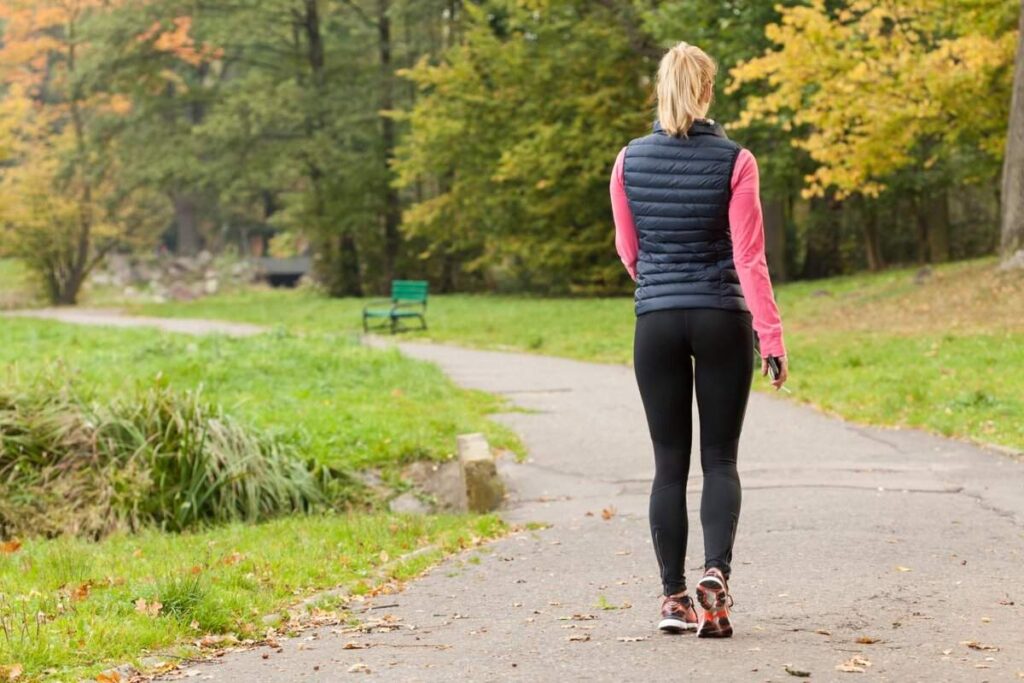
Imagine a weight loss journey where you don’t have to endure punishing workouts or eliminate your favourite foods. For many, the most straightforward exercise—walking—can help drop those extra kilos while enhancing overall well-being. No gym fees or rigid diets are necessary; just a comfortable pair of shoes and a commitment to a steady pace. It’s a sentiment echoed by scientists and fitness professionals alike: regular walking can work wonders for both your body and mind.
Why walking is a game-changer for weight loss and health
While walking may seem less intense compared to high-paced workouts, its benefits are anything but insignificant. Here’s why walking can be your secret weapon:
- Calorie burning: Every step boosts your energy expenditure. Though the calorie loss may not compete with a high-intensity class, every bit adds up, paving the way for gradual weight loss.
- Fitness improvement: Walking engages your legs and core, while also enhancing cardiovascular health, helping reduce the risks of heart disease, obesity, and diabetes.
- Appetite regulation: Research indicates that regular walks can minimise cravings, making it easier to maintain a balanced diet.
- Mood enhancement: Like any form of exercise, walking releases endorphins, those delightful hormones that elevate your mood and lower stress levels.
The beauty of walking lies in its accessibility; virtually anyone can do it without the need for special gear.
What to consider when setting your walking goals
Your ideal walking distance isn’t a one-size-fits-all situation. Several factors come into play:
- Your current weight: The more you weigh, the more calories you burn at any given pace and distance.
- Your fitness level: Beginners should ease into it with shorter walks and gradually increase distance to prevent injury.
- Your weight loss aspirations: Someone looking to shed a small amount of weight might walk less than someone aiming for a more significant transformation.
- Your diet: Exercise alone isn’t enough to counteract poor dietary choices. Combining walking with nutritious food is crucial for achieving results.
The best strategy? Tailor your walking plan to fit your needs: start with manageable distances, and then ramp up the speed and length as your endurance builds.
How far should you walk to lose weight?
Wondering about the ideal distance for weight loss? Experts widely recommend aiming for 10,000 steps a day—around 7 to 8 kilometres. This can burn approximately 300 to 400 calories per day, depending on factors like body weight, age, and walking pace. Sustained over time, combined with healthy eating, this could lead to a loss of about half a kilo a week.
Keep in mind, this is merely a guideline—not a strict rule. Some individuals may see success with fewer steps, while others might need more. The real focus should be on consistency—finding a pace and distance that are both manageable and sustainable for you.
Smart ways to integrate walking into your lifestyle
Got a packed schedule? You’re certainly not alone. Here are some simple strategies to help you reach your step goals without major life changes:
- Break your walks into short bursts throughout the day—morning, lunchtime, and evening.
- Incorporate walking into your commute—get off the bus a stop early or park further away from your destination.
- Opt for the stairs over lifts or escalators whenever possible.
- Plan walk-and-talks with friends or family instead of sitting somewhere.
- Use a pedometer or fitness app to track your progress and keep you motivated.
Walking demonstrates that small, consistent efforts can yield remarkable results. By targeting 10,000 steps a day—or whatever distance suits you—you’ll not only shed weight but also enhance your health, mood, and energy levels.
So, lace up your trainers, step outside, and let this simple form of exercise take you toward a healthier version of yourself.





