
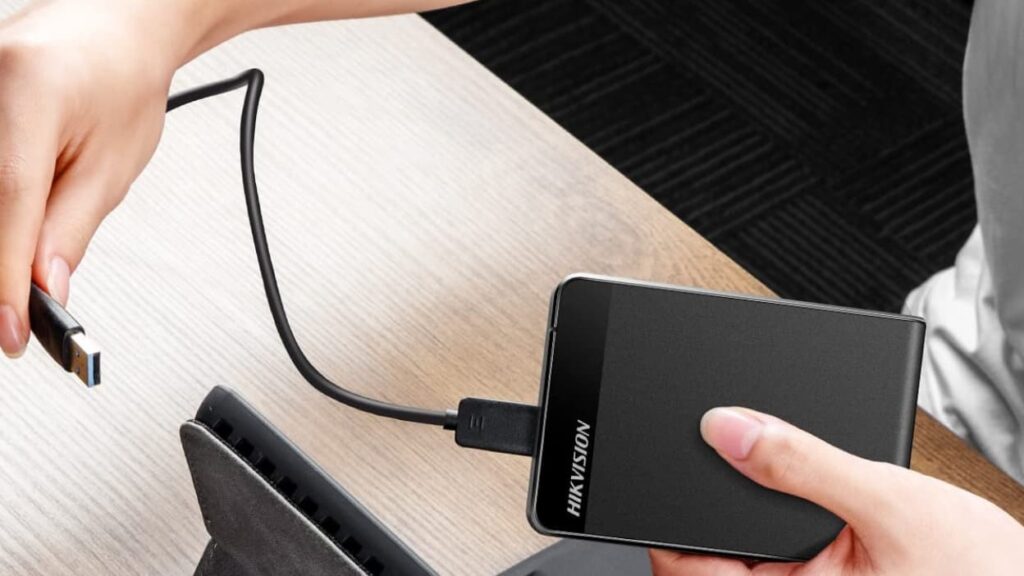
In a case that feels almost too bizarre for a courtroom, an ex-inmate has failed in his attempt to reclaim what he insists was a digital fortune — a wealth he claims was obliterated when the Australian government disposed of an old hard drive. This modern tale encapsulates themes of timing, technology, and the unpredictable landscape of cryptocurrency, prompting a question many legal experts are now pondering: How do you substantiate your claim to millions in Bitcoin when the evidence has vanished?
A Claim That Arrived Four Years Too Late
The saga pertains to Michael Prime, who was sentenced in 2019 for identity theft and forgery. Upon entering prison, authorities conducted a standard inventory of his possessions. His inventory was fairly unassuming: two boats, a couple of vehicles, and what he referred to as “a bit of Bitcoin,” estimating its value between $200 and $1,500.
His declaration didn’t suggest he was sitting on a digital goldmine.
So, when officials subsequently disposed of several items, including an orange external hard drive, it didn’t raise any alarms.
Fast forward four years.
Upon his release, Prime suddenly asserted that the now-disposed orange hard drive contained 3,443 Bitcoin, valued at about $345 million at current rates — a dramatic leap from the 2019 Bitcoin price of approximately $10,000 to more than $100,000 in late 2025.
The Court Isn’t Convinced
Prime filed an appeal seeking compensation from the government for the purported loss. However, the U.S. Court of Appeals dismissed his claim, citing inconsistencies and a lack of evidence.
The court’s ruling pointed out that Prime never mentioned during his intake or release that the hard drive contained anything of significant worth. There was no reference to Bitcoin wallets, private keys, or any digital assets — the essentials that any crypto enthusiast knows are crucial.
In its verdict, the court stated it had “no difficulty” concluding that the government would never have destroyed the drive had there been any reason to believe it held a multimillion-dollar cryptocurrency treasure. The judges even voiced “serious doubt” regarding the existence of the Bitcoin in question.
A Coincidence of Timing — or a Convenient Revelation?
The staggering surge in Bitcoin’s value in recent years might shed light on Prime’s sudden recollection. Instances of individuals “rediscovering” lost digital fortunes are not uncommon — the meteoric rise in crypto can jog forgotten memories and lead to questionable claims.
However, without the hard drive, and without any prior documentation, proving ownership became impossible. As legal analysts often highlight, cryptocurrency law operates on a strict principle: if you lose the private key, you lose the asset.
In this instance, Prime faced more than just a missing key — he was without the entirety of the device.
The Final Verdict
Ultimately, the appeal was rejected. The destroyed hard drive cannot be retrieved, the claim lacks verification, and the court has decisively closed the door on any potential reimbursement.
For Prime, the alleged $345 million fortune is lost forever — if it ever existed in the first place.
For everyone else, this case starkly illustrates the precarious relationship between the justice system and digital assets, where ownership stakes can soar into the hundreds of millions yet hinge on a single physical item tossed out years prior.
If you’re interested, I can also produce a condensed breaking-news version of this story or a sidebar detailing how courts typically address lost Bitcoin claims.





