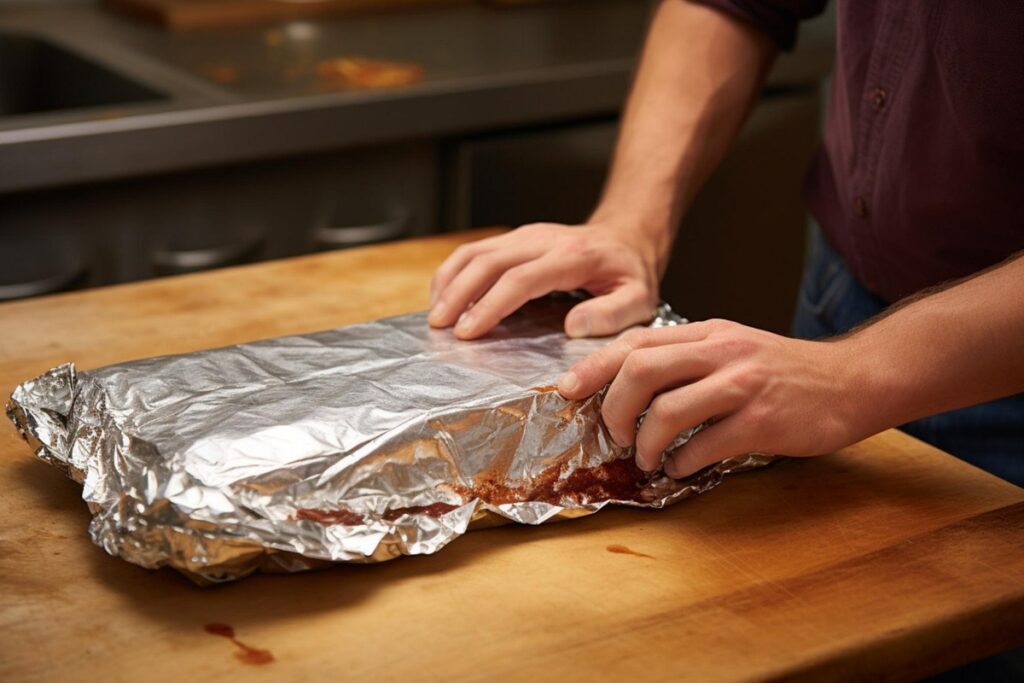
We all love aluminum foil for its convenience. For certain recipes, like foil packets (papillotes), it is very useful during oven cooking. Plus, it helps limit cleanup, especially when using aluminum trays. But be careful; as reported by Eating Well, some of your favorite ingredients do not mix well with aluminum.
According to Stephanie Smith, a food safety specialist at Washington State University, we already ingest about seven to nine milligrams of aluminum per day through food, water, air, pollution, deodorants, and more.
Rest assured, this is generally harmless, except when cooking certain acidic foods directly on this material. That is when things can go wrong. Metals migrate into the food and your body—and say hello to a metallic taste in your dish.
Why acidity is a problem with aluminum foil
Time for a quick chemistry lesson! Acidic foods have a very low pH, meaning they are full of hydrogen ions. These molecules react with the aluminum foil, causing a release of metals. As a result, the foil can deteriorate and end up in your food, which is why you might notice a strange, bitter, metallic taste.
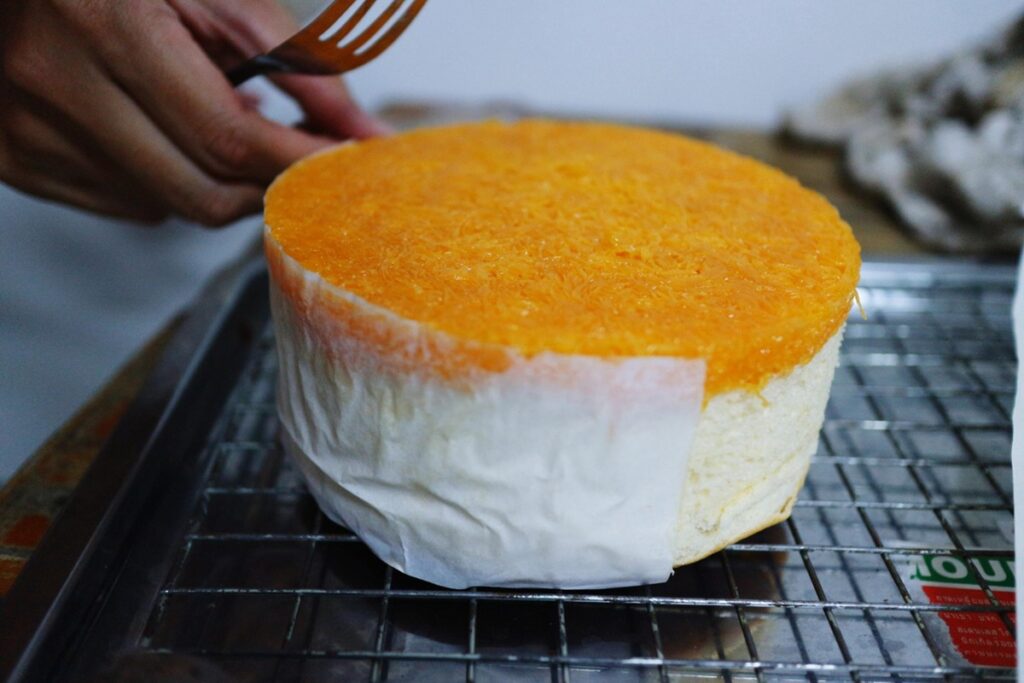
“I think the acidity of many foods is often underestimated,” explains Stephanie Smith. Her solution is to use parchment paper or silicone mats as a protective barrier.
6 foods to ban from aluminum
- Tomatoes: With a pH of 4, they are very acidic. For your gratins, lasagnas, or ratatouilles, opt for a glass dish. For oven-roasted tomatoes, line your tray with parchment paper.
- Citrus fruits: Lemon juice is one of the most intense acids we consume. Keep your squeeze of lemon for the final touch on the plate, not during oven cooking. The same goes for oranges and grapefruits.
- Vinegar: With a pH of 2, this is serious business. For your marinades and braised dishes, pull out your glass or stainless steel containers. In fact, if vinegar is also used as a cleaning product, it’s precisely because it is ultra-acidic.
- Wine: Sorry to the home chefs, but deglazing an aluminum pan with wine is a no-go. Instead, choose a chicken broth or use an enameled cast-iron pot for your slow-cooked meals.
- Apples: We didn’t expect this fruit to be on the list. But even sweet varieties like Fuji remain very acidic (pH of 3 to 4). For your apple tarts and desserts, parchment paper is recommended.
- Rhubarb: This spring vegetable we love in pastries hides its true nature. Its stalks contain malic acid, so remember to protect your aluminum molds with parchment paper to act as a barrier.
The takeaway is that while aluminum foil is practical, it isn’t meant for everything! To cook smart and safe, rely also on glass, silicone, stainless steel, or parchment paper, which do the job perfectly, especially when handling acidic foods. Your health will thank you!