
The relationship between landlords and tenants can often be fraught with tension. Anyone familiar with the rental market knows that disputes over money, repairs, and responsibilities can escalate quickly. A recent incident in eastern France underscores this volatility, serving as a stark reminder of the importance of adhering to legal channels before resorting to drastic measures.
Escalation Born from Frustration
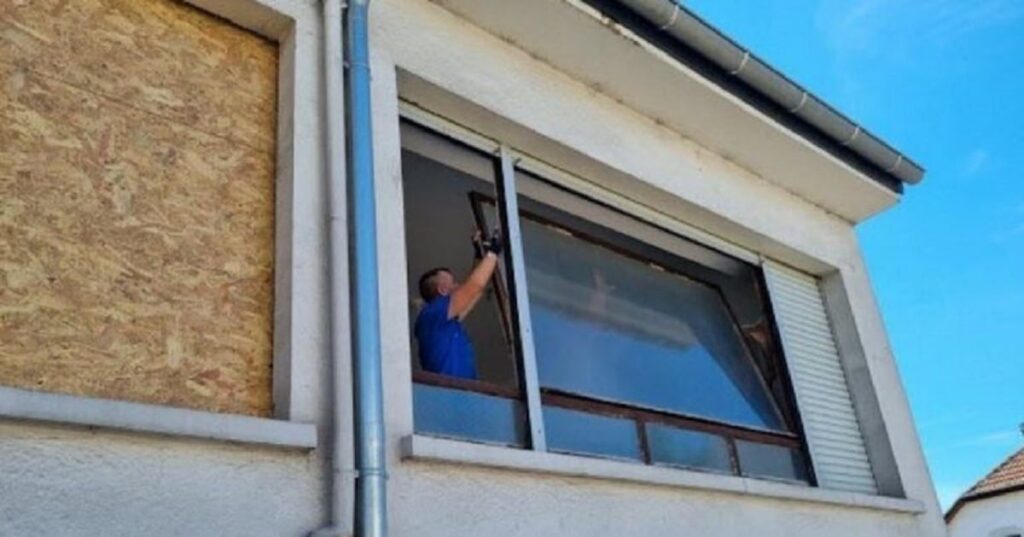
In the French town of Forbach, a landlord finally reached his breaking point after enduring years of unpaid rent and unresolved issues with his tenant. Instead of pursuing conventional legal remedies, he resorted to an extreme action: removing almost all the windows from his rental property. In July, he left only a single window in the tenant’s room, resulting in a home that was barely livable.
Though it wasn’t an official eviction, the impact was immediate. With cold air, rain, and noise flooding the apartment, the tenant’s daily life became unbearable. This drastic measure illuminated the consequences of long-standing disputes that went unresolved, spiralling into a situation few could have anticipated.
A Tenant’s Perspective
However, the tenant’s story paints a different picture. Backed by a local housing-rights group, he claims the landlord failed to fulfil his responsibilities, pointing to issues such as a leaky roof, a malfunctioning heater, and promised repairs that never materialised.
“We’re not irresponsible tenants,” asserted the vice president of the rights association, who noted that they had taken steps to engage the legal system, implying that the landlord’s extreme action was not just inappropriate but possibly retaliatory.
What this case reveals is not merely a situation of unpaid rent, but a complex mutual conflict, with both sides accusing the other of not meeting their obligations.
The Legal Risks of Taking Matters into Your Own Hands
The landlord’s actions highlight a crucial issue: taking the law into one’s own hands when it comes to eviction is fraught with peril. Maria Rossi, an expert in French property law, warns that such unilateral actions can lead to serious consequences, like fines, civil liabilities, and even criminal charges.
In France, accountability prevails—when tenants fall behind on payments, landlords must strictly adhere to established procedures for eviction, which can stretch on for months or even years. Though the wait can be frustrating, it does not provide grounds for dramatic actions like dismantling windows or cutting off utilities, both of which can constitute “harassment” or “illegal eviction.”
Thus, while the landlord may have hoped to force a resolution, he could ultimately find himself facing a legal battle instead.
The Financial Strains of Small Landlords
The incident in Forbach also brings to light a frequently overlooked reality: smaller landlords often operate under significant financial strain. When rental income dries up, expenses like mortgages, maintenance, insurance, and taxes continue unabated. This financial pressure can breed frustration, leading some landlords to make ill-considered decisions.
For this particular landlord, years of missing rent appear to have culminated in a reaction that was not only illegal but also counterproductive.
Prioritising Dialogue to Prevent Conflict
Experts in housing stress that such extreme outcomes can be prevented through effective tools and communication strategies. Giuseppe Verdi, a real estate consultant, suggests several prudent alternatives:
- Professional mediation to restore dialogue and find common ground
- Detailed contracts clearly defining repair responsibilities and obligations
- Legal guidance to ensure all parties are aware of their rights
- Flexible payment plans aimed at helping tenants navigate temporary financial distress
While these approaches may not eliminate tension, they can prevent disputes from escalating into destructive actions.
The Importance of Respecting Rights
The Forbach case serves as a striking reminder of the fragility inherent in landlord-tenant relationships—and the chaotic repercussions that arise when one party assumes control over the situation. Respecting legal protocols, engaging in early communication, and seeking assistance are not mere formalities; they are vital safeguards for both landlords and tenants.
For landlords, adhering to the law can protect them from costly retaliatory actions. For tenants, maintaining transparency and cooperation fosters trust and opens pathways to viable solutions. Ultimately, it is mutual responsibility—not vengeance—that sustains peaceful housing arrangements and keeps disputes out of the courtroom.





