
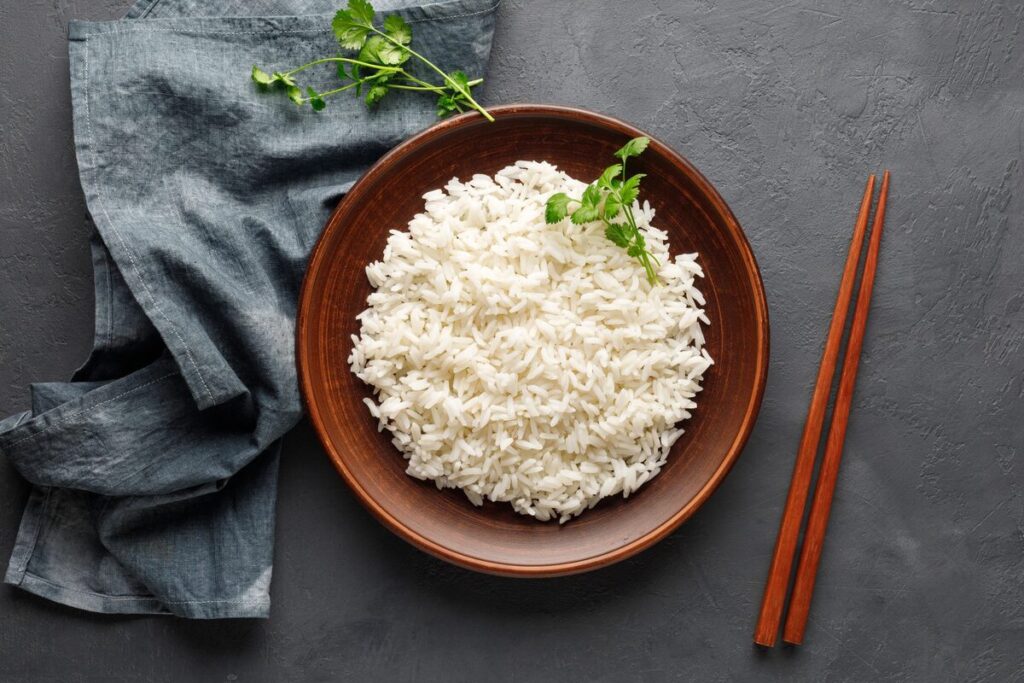
You’ve likely done it without a second thought—left a pot of rice or pasta on the counter after dinner, thinking you’ll tackle it later. But here’s the startling truth: that seemingly harmless habit could be jeopardising your health. Allowing starchy foods to sit out at room temperature for too long can create a breeding ground for harmful bacteria, including one particularly insidious strain linked to the so-called “fried rice syndrome.”
The Hidden Hazard of Leftover Carbs
While it might seem like folklore, fried rice syndrome is all too real. The perpetrator? A common bacterium named Bacillus cereus, which is usually found in soil and on raw vegetables. It doesn’t pose much risk—until your food is allowed to sit idle. The issue arises because B. cereus can produce heat-resistant spores that withstand cooking, thriving when conditions are right—such as a bowl of warm rice left on the bench for too long.
Once the bacteria start multiplying, they produce harmful toxins that can lead to unpleasant gastrointestinal symptoms. Although rice was the first food associated with this syndrome, other starchy dishes like pasta are equally susceptible.
What Happens When You Consume Contaminated Rice or Pasta?
When B. cereus is in action, it generates two types of toxins—one that induces vomiting, and another that triggers diarrhoea. Symptoms can appear swiftly, typically within 1 to 16 hours after ingestion. While most cases are mild and resolve in a day, they are far from pleasant: think nausea, abdominal cramps, and fatigue, which can be severe enough to necessitate hospitalisation for vulnerable groups.
Individuals who should exercise extra caution include children, pregnant women, the elderly, and anyone with a weakened immune system, as they face higher risks of complications, including dehydration.
How to Safeguard Against Food Poisoning from Leftover Starches
Fortunately, preventing this type of foodborne illness is straightforward once you know the protocols. Consider these essential kitchen practices to keep yourself safe:
- Rapidly cool cooked foods: Don’t procrastinate dealing with leftovers. Once your rice or pasta has cooled slightly, pop it in the fridge within two hours—or sooner in hotter climates.
- Maintain a clean kitchen: Wash your hands before handling food, sanitise cutting boards and utensils, and avoid mixing cooked and raw items without proper cleaning in between.
- Don’t rely solely on your senses: Just because it smells alright doesn’t mean it’s safe. B. cereus doesn’t always leave detectable traces.
These straightforward practices can help halt bacterial growth and preserve food quality.
Best Practices for Reheating Rice and Pasta Safely
Reheating can either make or break your safety strategy. When warming up leftovers, keep these tips in mind:
- Heat thoroughly: Ensure your food is piping hot all the way through. A quick microwave zap isn’t sufficient unless you’re stirring midway and checking the centre.
- Reheat only once: Each time you reheat and cool a dish, you heighten the risk of bacterial growth. Only reheat what you plan to eat.
- Use a lid: Cover your dish during reheating to ensure even heat distribution and improve texture.
- Be mindful of timing: Avoid prolonged reheating. The goal is achieving high heat quickly—without drying out your food.
Implementing these small changes can lead to significant benefits, especially if you frequently prepare meals in advance or enjoy leftovers.
Final Thoughts Before Your Next Rice Round
Food safety isn’t just a professional concern—it begins at home, woven into our daily habits. Allowing rice or pasta to linger on the counter may seem innocuous, but it can quickly turn your dinner into a health risk. So, as you tidy up after your next meal, remember: a bit of caution now can save you from a world of discomfort later.





