
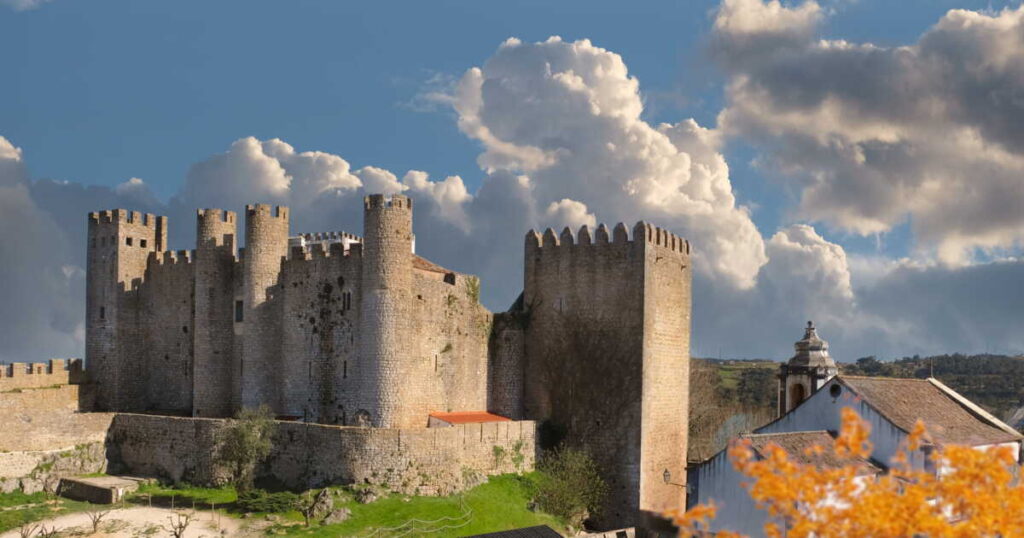
Exploring the Hidden Realities of Medieval Castle Life: The Latrine System
When we think about castles, images of valiant knights, lavish feasts, and impressive stone walls illuminated by flickering torches often come to mind. However, there’s a far less glamorous aspect of life within these fortresses that, while not as grand, was just as vital—basic sanitation. Despite their imposing exteriors and opulence, medieval castles faced the same universal challenge of managing bodily waste, and with no modern plumbing, they devised some rather ingenious, albeit sometimes less-than-pleasant, solutions.
How Medieval Castle Latrines Functioned
In the Middle Ages, sanitation was largely facilitated by what were known as projecting or overhanging latrines. These wooden (or occasionally stone) structures protruded from the castle walls, designed similarly to defensive galleries but dedicated solely to waste disposal.
The mechanism behind these latrines was elegantly straightforward: a user would sit, gravity would take its course, and waste would plummet into a pit or designated drop zone below. There were no pipes, no water pressure, and no complicated machinery—just a practical response to an innate human need, which proved effective from the Middle Ages well into the 19th century.
The Unique Features of Suspended Privies
While these latrines were simple in design, they were meticulously crafted with both functionality and safety in mind. Some were designated for the nobility and guests, while others served the staff, craftsmen, or soldiers. Positioned along the outer walls of the castle, these structures not only helped mitigate odour but also provided a degree of privacy, protecting occupants from rain and wind.
During times of siege, these latrines were ingeniously designed to prevent enemy forces from exploiting structural vulnerabilities. Many featured reinforced lower openings to thwart arrows or weapons, and wooden lids were added to minimise unpleasant smells, complemented by small ventilation slits for natural airflow—rather impressive for an era long before the advent of mechanical ventilation systems.
In their own earthy way, these latrines reflected the same blend of practicality and strategic thinking that characterised the architecture of castles.
Who Were the Toilet Cleaners of the Middle Ages?
Of course, someone had the unenviable task of maintaining these facilities. Periodically—often annually, or more frequently depending on the household’s size—someone needed to clear out the accumulated waste. This job fell to professionals known as maîtres Fifi, a title that certainly came with a less-than-pleasant reputation due to the nature of their work.
These individuals were the unsung heroes of medieval sanitation. Not only did they empty the waste pits but they were also tasked with cleaning areas that couldn’t easily be drained. As sanitation practices evolved and castles transformed, this profession gradually faded away. However, during their time, these workers played a crucial role in keeping the castles, and indeed all homes, habitable.
The Ingenious Solutions to Medieval Living
While it’s easy to romanticise life in a castle, delving into the commonplace realities of latrines helps humanise historical narratives. Beyond the grand stone fortifications and gallant tales were everyday individuals striving for comfort in a world without modern conveniences. Their solutions, primitive by today’s standards, were often both effective and resourceful, tailored to their unique circumstances.
So, the next time you wander through the impressive remains of a castle and admire its formidable battlements, spare a thought for the small wooden rooms that silently hung over the edge. They hold a story just as captivating as the suits of armour displayed in the great halls—a tale of survival, creativity, and the less glamorous yet essential aspects of medieval life.





