
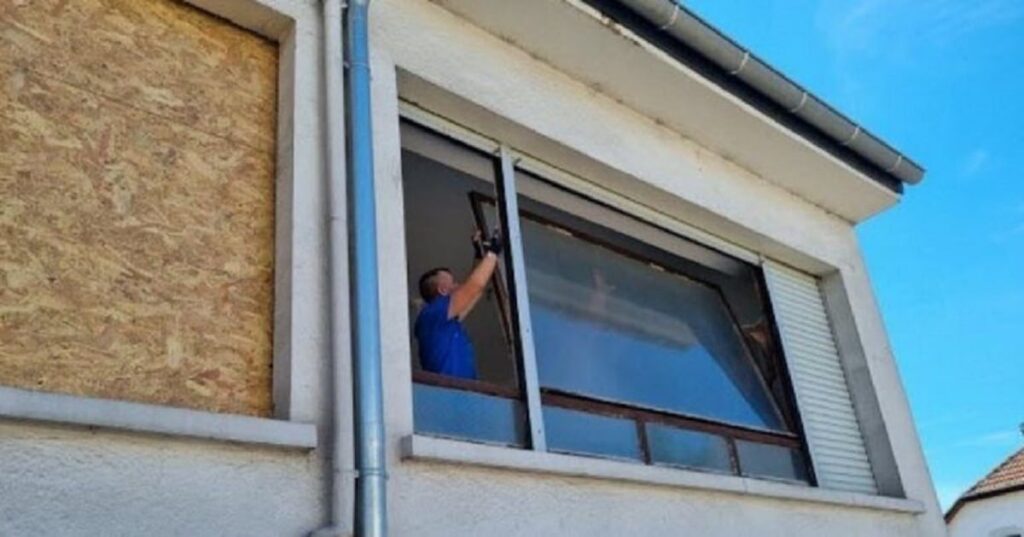
While landlord-tenant disputes are nothing new, a particularly shocking incident out of Forbach, France, has captured global attention online. A frustrated landlord took his frustrations to an extreme that many could hardly fathom, prompting widespread discussions across social media and news outlets.
An outrageous turn of events in Forbach
After years of dealing with unpaid rent and increasing annoyance, the landlord made a drastic decision. Rather than engaging in the lengthy legal eviction process, he took the law into his own hands: he removed nearly all the windows from the apartment he was renting out.
In a dramatic move last July, he stripped away every window save for one — the only one left in the room occupied by the solitary tenant. Technically, he didn’t evict the tenant, but the action rendered the apartment nearly uninhabitable. This bold and extreme gesture of anger has significant implications.
The tenant’s counterargument: two sides to the story
The tenant responded assertively. With the backing of a local housing association, they argued that the situation wasn’t as straightforward as it seemed. According to the association, the landlord had neglected to complete essential repairs, including urgent work on the roof and heating system — issues that would indeed make any living situation uncomfortable.
“We are not irresponsible tenants,” a spokesperson for the association stated. “We initiated legal proceedings to have a judge resolve this matter.”
Their position highlights a familiar narrative in landlord-tenant relationships: both parties believing they have been wronged, each armed with their own grievances.
A legally precarious decision
While removing windows might have felt satisfying in the heat of the moment, legal experts warn that it is a significant gamble. In France, strict regulations govern how unpaid rent is to be resolved, and landlords are prohibited from forcibly evicting tenants without a court order.
Maria Rossi, an expert in real estate law, points out that actions like these “not only raise ethical issues but may also expose landlords to serious legal repercussions, including liability for property damage and breach of contract.”
Essentially, the landlord’s frustration could ultimately cost him far more than just the unpaid rent.
When financial pressures lead to rash actions
It’s easy to view landlords as the antagonists, but many grapple with real financial strain when tenants decide to stop paying rent. Mortgage obligations, repair costs, insurance — these expenses continue to accrue whether rent is collected or not.
In the case of Forbach, this financial tension seemingly culminated in a dramatic outburst. Nevertheless, financial stress does not exempt anyone from adhering to established legal frameworks that protect both parties — and actions outside of this system often lead to adverse outcomes.
How conflicts escalate — and paths to resolution
Real estate consultant Giuseppe Verdi emphasizes that incidents like this underscore how swiftly communication can break down and spiral into chaos. He asserts that mediation and clear communication are essential for preventing such escalations. Recommended strategies include:
- Professional mediation to facilitate calm and constructive dialogue between both parties.
- Detailed contracts that clearly outline responsibilities for repairs and maintenance.
- Legal guidance to ensure both landlords and tenants are informed of their rights before taking impulsive action.
- Flexible payment options for tenants facing temporary financial hardships.
Implementing these measures can help prevent frustration from erupting into destructive actions — whether that means damaging properties or damaging relationships.
A case that underscores the importance of rights
The unfolding situation in Forbach is more than just a sensational news piece. It serves as a stark reminder that the foundation of landlord-tenant relationships relies on mutual accountability, transparent communication, and adherence to legal standards.
Although frustration is a common human experience, resorting to extreme measures can lead to severe legal and financial repercussions while eroding trust irreparably.
For landlords, maintaining open lines of communication and following established legal processes is crucial. For tenants, engaging in discussions and seeking assistance early on can help stave off escalating issues.
Ultimately, this story became a viral sensation due to its dramatic nature, but it’s also a cautionary tale. When frustration eclipses healthy communication, everyone suffers the consequences.





