
In the global pursuit of cleaner energy, it’s easy for leaders to make grand promises. However, delivering the infrastructure needed to fulfil these commitments is much more challenging. This is why a monumental battery project underway in western India is attracting attention far beyond its borders—not just for its scale, but for the potential it heralds for the future.
A Groundbreaking Energy Initiative in Gujarat
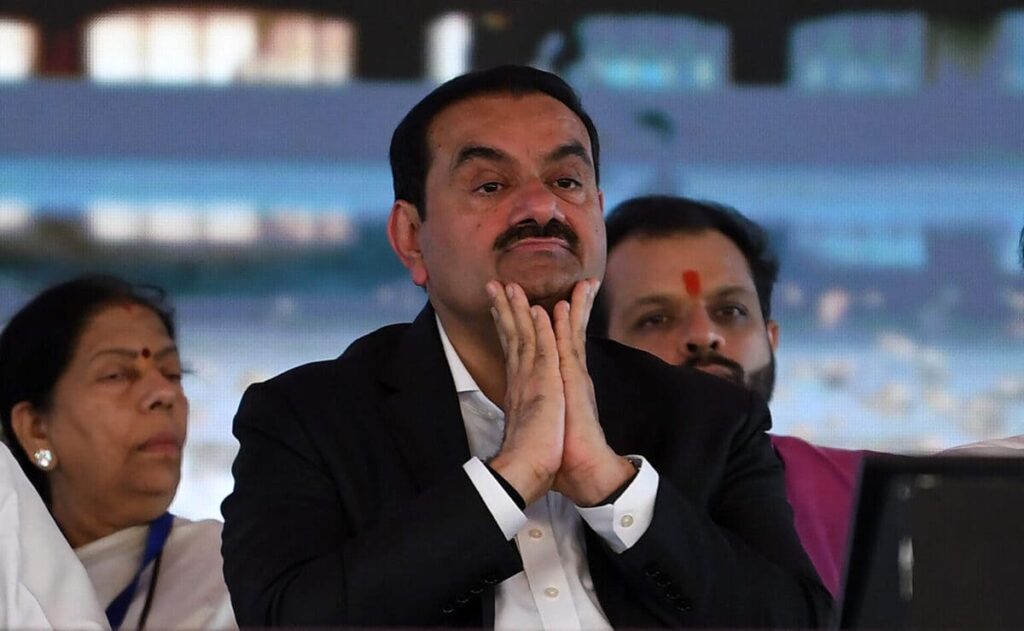
The initiative is spearheaded by the Adani Group, owned by billionaire Gautam Adani. The company is in the process of constructing what they claim will be the world’s largest battery energy storage system, boasting a potential capacity of 3.5 gigawatt hours, nestled in the Khavda region of Gujarat.
To grasp the enormity of this venture, envision about 700 shipping container-sized battery units. Construction is well underway, with completion targeted for March 2026. While the financial specifics remain undisclosed, similar projects typically entail investments running into the billions.
Adani asserts that energy storage is the bedrock of a renewable future, contending that this facility will bolster India’s ambitions for energy independence and long-term sustainability.
The Importance of Battery Storage
Renewable energy invariably faces a notable challenge: the sun doesn’t always shine, and the wind doesn’t continuously blow. Without adequate storage, the surplus clean power generated can go to waste, while demand may not be met during peaks.
Large-scale battery storage is a solution to this dilemma. It enables the retention of excess electricity produced during optimal weather conditions, allowing it to be used later when demand surges. Organizations like the International Energy Agency have pointed out that battery storage is crucial for stabilizing power grids as renewable energy usage rises.
My own experience during a reporting visit to a solar site in southern Europe highlighted this issue. The panels generated more power than local grids could handle at midday, yet nearby towns still depended on gas power in the evening. Energy storage could radically alter this scenario.
A Grand Vision Beyond the Headlines
The 3.5 gigawatt hour system marks just the initial phase. The Adani Group has unveiled plans to expand storage by an additional 15 gigawatt hours by March 2027, aiming for a cumulative total of 50 gigawatt hours over the next five years.
This ambitious goal aligns with India’s national climate targets, which include achieving net zero emissions later this century and generating 500 gigawatts of renewable energy by 2030. Meeting these enormous targets will be nearly impossible without significant investment in battery storage.
Feeding One of the World’s Largest Renewable Energy Parks
The storage facility will complement the expansive Khavda renewable energy park, managed by Adani Green Energy. Covering an area of 538 square kilometers—nearly five times the size of Paris—the site is already generating 7.1 gigawatts from solar and wind sources.
Upon full completion, this park is projected to achieve a capacity of 30 gigawatts by 2029. Combining this output with large-scale storage could transform the region into a benchmark for future renewable energy hubs across the globe.
The Driving Force Behind the Project
Gautam Adani, with an estimated wealth exceeding 68 billion dollars according to Forbes, ranks as one of India’s richest individuals. His vast business empire spans various sectors, including airports, ports, power generation, logistics, mining, media, and real estate.
While supporters view him as a catalyst for India’s infrastructure development, critics caution against the risks posed by such a concentration of power. Regardless, projects like this battery plant underscore how private enterprises are increasingly pivotal in shaping national energy narratives.
Why the Global Community Is Paying Attention
This initiative is significant as it addresses one of clean energy’s most significant obstacles. Should it succeed, it could serve as a model for emerging economies, demonstrating how to bypass traditional fossil fuel systems and establish resilient, low-carbon grids from the outset.
For India, it’s a matter of reliability, economic growth, and environmental responsibility. For the broader world, it underscores the message that the future of energy will hinge not just on how much power we generate, but on our ability to store it efficiently.





