Storing your onions in the refrigerator thinking you are doing the right thing? This reassuring habit can actually encourage unwanted microorganisms to grow.
You store your onions in the refrigerator thinking you are protecting them, especially when you buy a large bag for your soups, sauces, and stews. This gesture gives the impression of better preservation, but it can actually promote the development of undesirable bacteria.
If your onions soften, turn black, or get covered in small spots within a few days, the problem often lies less with their quality than with their storage environment.
Onions and the fridge: why humidity ruins everything
The refrigerator is a humid environment, with condensation and temperature variations every time the door opens. For a whole onion, which has a dry skin but flesh very rich in water and sugars, this cocktail creates ideal conditions for bacteria and mold.
As the french site Top Santé points out, the onion absorbs bacteria from your refrigerator and retains them. Consequently, the surface degrades faster and the vegetable quickly becomes unfit for consumption.
The united states department of agriculture (usda) advises against storing whole onions in the refrigerator because the cold alters their texture.
Part of the sugars transform, the onion loses its crunch, releases water, and softens. You end up with a soft, sometimes slightly slimy onion with a stronger smell and an increased risk of contaminating other foods.
Where to store whole onions to keep them longer
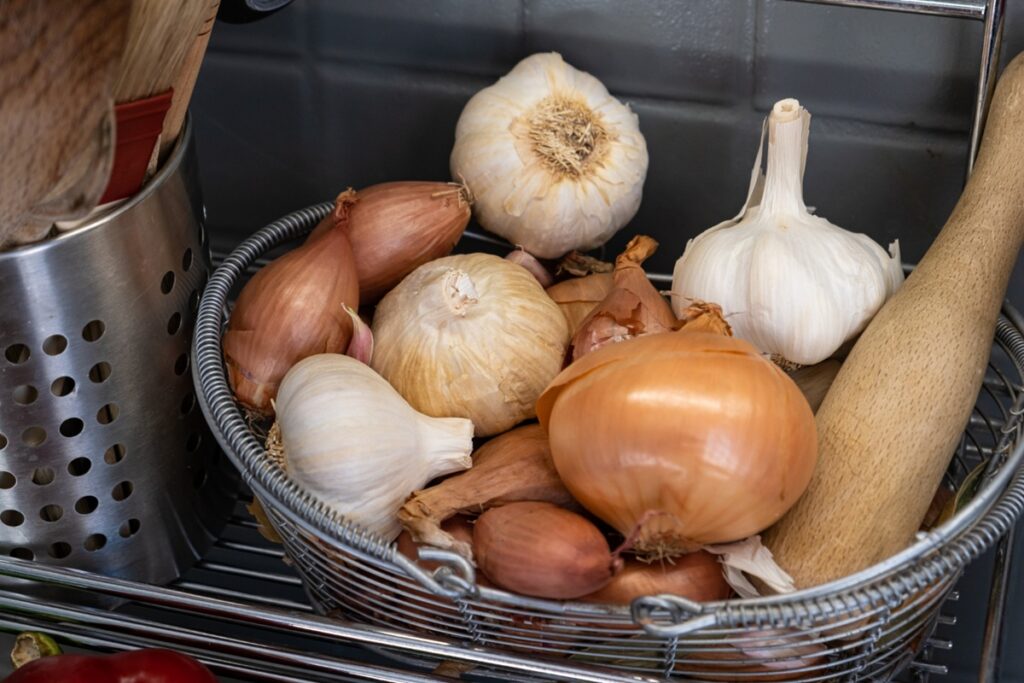
To truly preserve onions, the rule is simple: a cool, dry, dark, and well-ventilated place. A cellar, a pantry, or a cupboard not exposed to the sun works very well.
The ideal is to place them in a perforated paper bag or a mesh bag that allows air to circulate while protecting them from light. Under these conditions, a whole onion generally keeps for up to about a month.
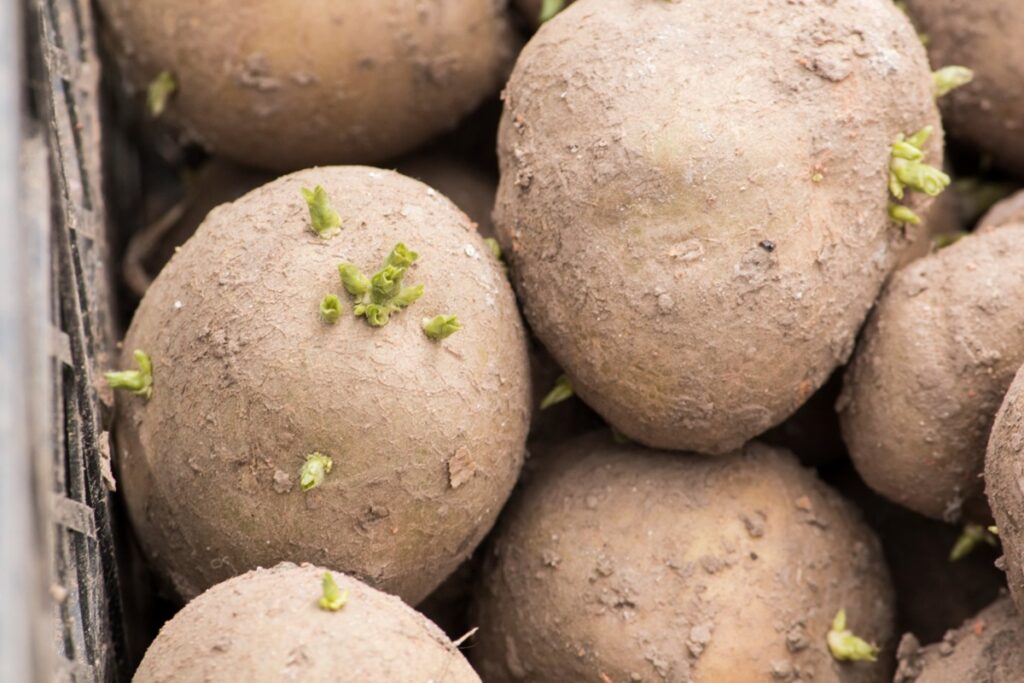
Avoid closed plastic bags, which trap moisture, and storage right next to the oven or radiator. Another important point: do not store your onions with potatoes. Potatoes release moisture and gases that accelerate the sprouting and rotting of onions.
Cut onions: when the fridge becomes mandatory
Once peeled or cut, the onion offers a large moist surface that is much more vulnerable to germs. In this case, the refrigerator becomes your ally again, provided you do it right.
Place the cut onion in a clean airtight container or a tightly sealed jar, and keep it chilled for a maximum of 5 to 7 days. This packaging limits bacterial proliferation and stops its odors from scenting the entire fridge.
If you know you will not use it within the week, a practical option is to chop the remaining onion and freeze it in a small bag or box. When in doubt, a few simple signs: an onion that remains firm, without suspicious spots or fuzz, can still be used.
However, a spongy texture, green or black spots, or an unpleasant smell should lead you to discard it without hesitation.