
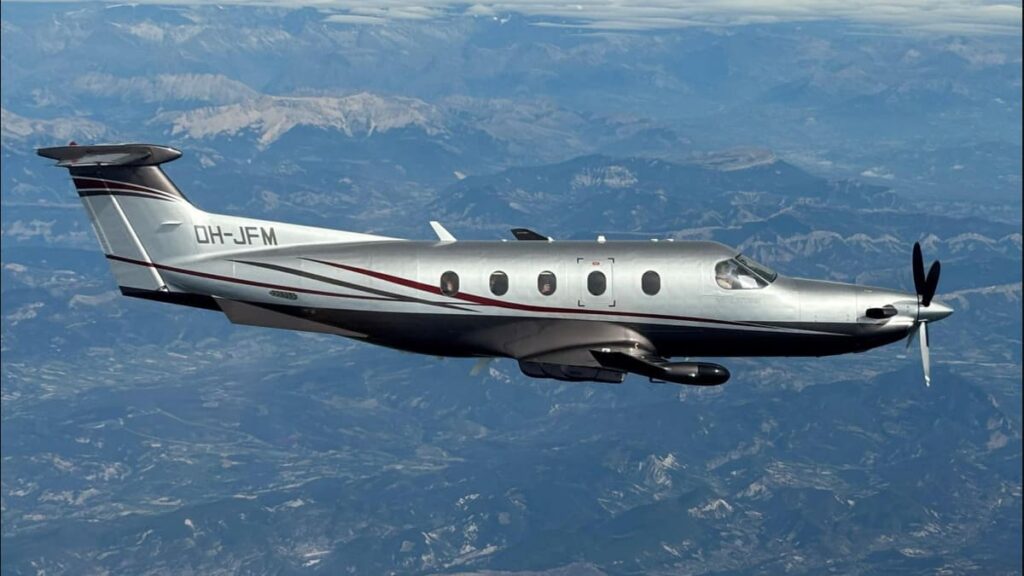
For air traffic controllers, silence can be more alarming than comforting. A sudden lack of response from an aircraft triggers swift action and heightened tension. This was starkly illustrated earlier this month when a routine flight over central France prompted an unexpected military response.
Unexpected Silence Triggers Protocols
On October 3, a private business jet cruising over Clermont Ferrand unexpectedly went radio silent. Air traffic controllers in Bordeaux experienced a shocking four-minute loss of contact—an eternity in aviation circles. During a training stint in a control tower, I witnessed how quickly a calm and collected atmosphere transforms into urgent action when radio calls go unanswered.
Adhering to standard emergency protocols, the controllers promptly notified the military. Within minutes, a Rafale fighter jet from the Armée de l’air et de l’espace was launched from Air Base 118 in Mont de Marsan. The intent was not to instigate confrontation but to assist and identify the aircraft. In European airspace, such rapid responses are crucial for dismissing threats and aiding planes that may be in distress.
While events like this are uncommon, they highlight the critical importance of coordination between civilian and military aviation sectors.
Technical Glitch, Not a Crisis
Once the fighter jet arrived at the private jet’s location, tension dissipated. Somewhere between the Ventoux and the Luberon, communication was finally restored, revealing a mundane mistake behind the initial concern.
The aircraft’s crew had been communicating on an incorrect frequency, essentially speaking into the void without realising it—a scenario anyone who has struggled with radio or Bluetooth settings can empathise with, though the stakes here were significantly higher.
The military quickly established that there was no threat, no hostile intentions, and no emergency on board—just a simple technical error that temporarily severed the aircraft’s link with air traffic control. As aviation safety experts consistently point out, human error remains one of the primary causes of in-flight incidents, even in today’s highly automated cockpits.
Significance of Rapid Interceptions
The French Air and Space Force later stated that the incident showcased the effectiveness of the nation’s air policing system, known as the Permanent Air Security Posture. This framework guarantees that fighter jets and their crews are on standby 24/7 to swiftly respond to unexpected situations in national airspace.
According to military officials, this constant state of readiness falls under the Commandement de la Défense Aérienne et des Opérations Aériennes, which oversees both defensive and operational air missions. The system mirrors protocols used by NATO allies and aligns with standards established by the International Civil Aviation Organization.
Social media updates from the armed forces likened the occurrence to a textbook example of aviation safety procedures in action. The message was clear: minor incidents are treated with due seriousness from the outset.
For those on the ground, the notion of a fighter intercepting a private plane may invoke fear. In reality, it often signifies the reassuring presence of vigilant oversight in our skies.
In the end, everyone landed safely, the radio was adjusted, and life resumed its regular pace. But the fleeting silence underscored a vital truth in aviation: effective communication is paramount, and preparedness is never an option—it’s a necessity.





