
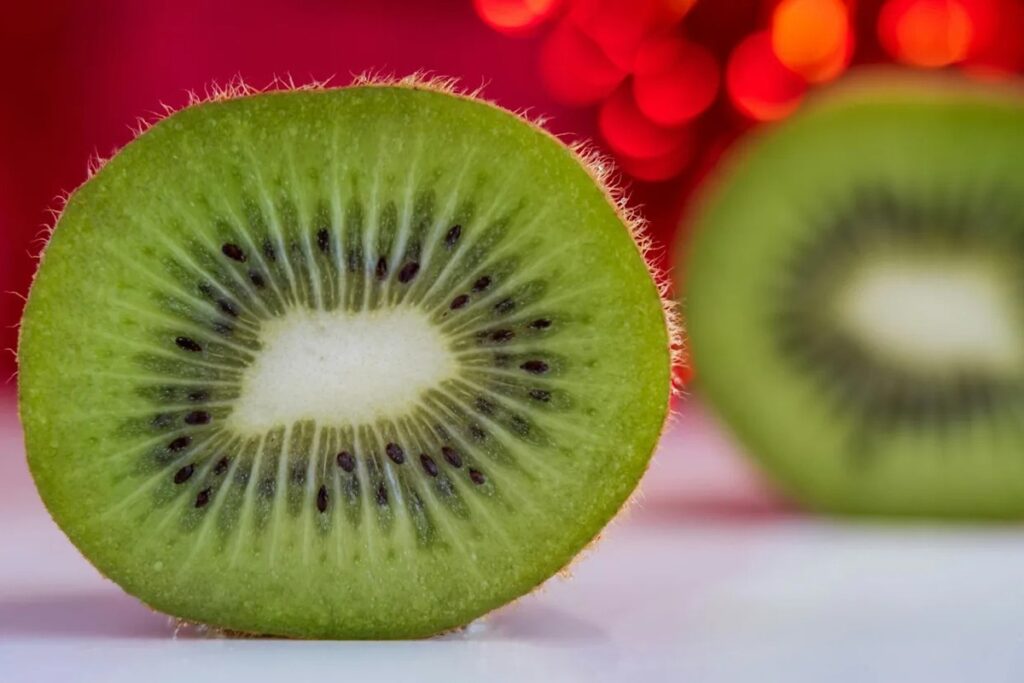
Not every day does a humble fruit gain official recognition from the European Union, but that’s precisely what has occurred for the green kiwi—a small, fuzzy gem now celebrated for its impressive health benefits.
The Rise of the Green Kiwi: From Kitchen Staple to EU Star
For years, health experts have been advocating for a diet rich in fresh fruits and vegetables, coupled with plenty of hydration and whole grains, to maintain a healthy digestive system. Recently, though, one fruit has been capturing everyone’s attention.
The green kiwi (scientifically referred to as Actinidia deliciosa) has just earned a remarkable distinction as the first plant-based food to receive an official health claim from the EU regarding its positive impact on digestion. According to a regulation released by the European Commission in July 2025, regular kiwi consumption “supports normal bowel function by increasing stool frequency.”
In simpler terms, the EU has validated what many health professionals have been endorsing for years—this vibrant fruit is not just a treat but a powerhouse for gut health.
What Sets the Kiwi Apart?
While kiwis are often celebrated for their high vitamin C content—surpassing that of oranges—their benefits extend far beyond just bolstering immunity. The real magic lies in their unique enzyme, called actinidin, which aids in protein breakdown and enhances digestion. Coupled with a hearty dose of dietary fibre, kiwis offer a natural solution for comfortable digestion.
The National Health Service (NHS) in the UK has even updated its dietary guidelines to include kiwis as a key component for improved bowel health—a rare moment of consensus in nutritional advice across Europe.
Dr Eirini Dimidi, a nutrition scientist at King’s College London, notes that “consuming two to three kiwis daily—or even eight to ten prunes—can significantly alleviate constipation.” Importantly, the benefits remain even if the fruit is peeled since most of the fibre resides in the flesh.
How Much Kiwi Should You Enjoy?
The latest EU recommendation suggests that around 200 grams of fresh kiwi—approximately two to three fruits a day—can yield noticeable benefits. It might sound daunting, but slicing them over yoghurt or blending them into a smoothie can make it a delicious daily habit.
For individuals facing chronic constipation, which impacts about 16% of adults and one-third of seniors, this straightforward addition could be transformative. The French Society of Hepato-Gastroenterology emphasizes that chronic constipation can significantly affect overall wellbeing, making natural dietary interventions particularly valuable.
Dr Dimidi also advocates coupling kiwi consumption with other digestive-friendly practices—such as substituting white bread for rye bread, drinking at least 1.5 litres of magnesium-rich water, and maintaining physical activity. These minor lifestyle adjustments can help reduce bloating and discomfort, ultimately promoting long-term gut health.
The Significance of This Recognition
While the EU’s endorsement might seem bureaucratic, it signifies a pivotal shift in how we perceive food as preventive medicine. In a world dominated by supplements and wellness powders, this decision underscores that some of the most potent remedies are the ones that grow naturally—in this case, on vines.
As dietary fibre makes its way back into social media conversations (for once, a trend that’s genuinely worth celebrating), the kiwi serves as a testament to the harmony between science and the growing buzz. Affordable, accessible, and packed with nutrients, it reminds us that achieving good health doesn’t have to be complicated—often, it’s just two kiwis away.





