
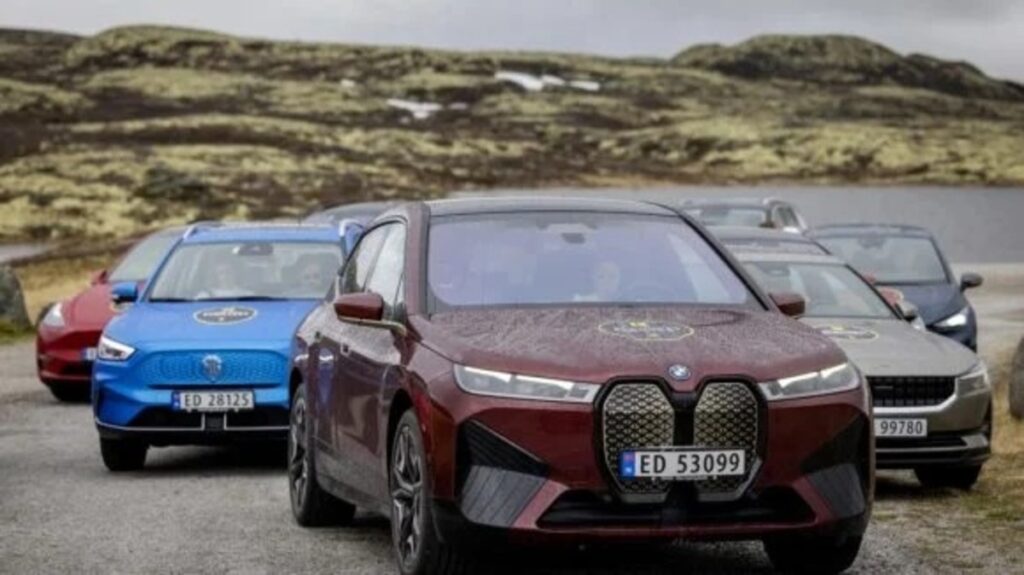
In a world grappling with the challenge of increasing electric vehicle (EV) sales, one icy nation has taken a remarkable leap forward—so much so that petrol cars are nearly extinct on its roads.
Norway’s Groundbreaking Achievement
As of September 2025, Norway achieved an enviable milestone that many countries can only aspire to: 98.3% of all newly registered cars were fully electric. This figure signifies that almost every new vehicle entering the Norwegian market contributes zero emissions. In fact, throughout the first nine months of the year, the share of electric vehicles soared to an impressive 95%, positioning the nation firmly on course to eliminate the sale of new petrol and diesel cars by 2025.
This accomplishment is particularly striking given Norway’s harsh winter conditions, which often challenge battery performance and typically deter potential EV owners. Yet, Norwegians remain undeterred. Their extraordinary success is not by chance; it results from a strategic blend of incentives and infrastructure developed over the past thirty years.
The Balance of Incentives
Norway’s strategy for success is straightforward: render fossil fuel vehicles prohibitively expensive while making electric cars irresistibly affordable.
Conventional petrol and diesel vehicles face severe import taxes and high purchase prices, whilst electric cars benefit from generous exemptions. For an extended period, EV purchasers enjoyed no value-added tax (typically 25% in Norway) and no import duties, a policy that has since been slightly modified but remains highly beneficial. Even corporate fleets and leasing companies receive tax incentives for opting for electric.
Cecilie Knibe Kroglund, Secretary of State for Transport, succinctly captured this dual approach: “It’s the stick for fossil fuels and the carrot for electric vehicles.”
Notably, EV drivers had long enjoyed free tolls, discounted ferry fares, and access to bus lanes in busy urban areas—privileges that helped normalise the transition. Although some of these incentives have been reduced, they were pivotal in generating the momentum needed for the market to thrive.
An additional factor in their favor? Norway has no domestic automobile industry to protect. This absence means the government can swiftly and decisively move toward electrification without the burdens of opposition from manufacturers or concerns about job losses.
Navigating Geography
A remarkable aspect of Norway’s EV transition is how the nation has addressed its geographical challenges. With vast distances between towns and frigid winters, range anxiety could easily have acted as a deterrent. Instead, Norway established one of the most extensive charging networks globally, ensuring that drivers rarely have to venture far to find a charging station.
Many EVs sold in Norway incorporate thermal battery management systems, enabling them to preheat before charging and preserve range even in freezing conditions. The Norwegian Automobile Federation (NAF) conducts public range tests each winter, assessing real-world performance against manufacturers’ claims. These transparent assessments have bolstered consumer confidence and incentivized automakers to enhance battery efficiency.
A Working Model
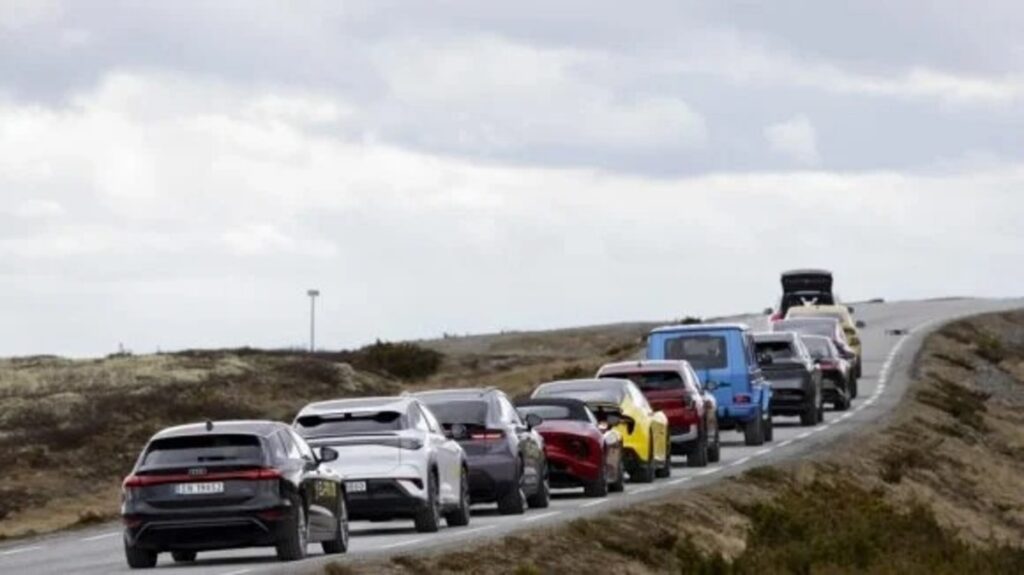
The figures are compelling. EV registrations surged by over 10% year-on-year in September, with more than 113,000 new cars sold within the first nine months of 2025—a remarkable 23.5% increase from the previous year.
And which vehicle topped the sales charts? Unsurprisingly, it was Tesla’s Model Y, accounting for nearly a third of all new registrations that month, with over 4,000 units sold. For context, that’s more than triple the number of Model Ys sold in some significantly larger European markets.
Insights for Global Inspiration
As governments around the world watch Norway with a mix of admiration and envy, replicating its success proves challenging. Norway’s small population, high income levels, and strong public trust in government create a model that is not easily duplicated.
Nevertheless, Norway exemplifies the potential that can be unlocked when policy, infrastructure, and public intent converge. As BloombergNEF highlighted, “Norway has done more than any other nation to show that a complete transition to electric mobility is not just achievable—it’s unavoidable.”
While electric vehicle sales may have “vanished” in Norway in the most positive context, the real narrative revolves around what they have been replaced with: a cleaner, smarter, and quieter mode of transport that the rest of the globe is now eager to emulate.





