
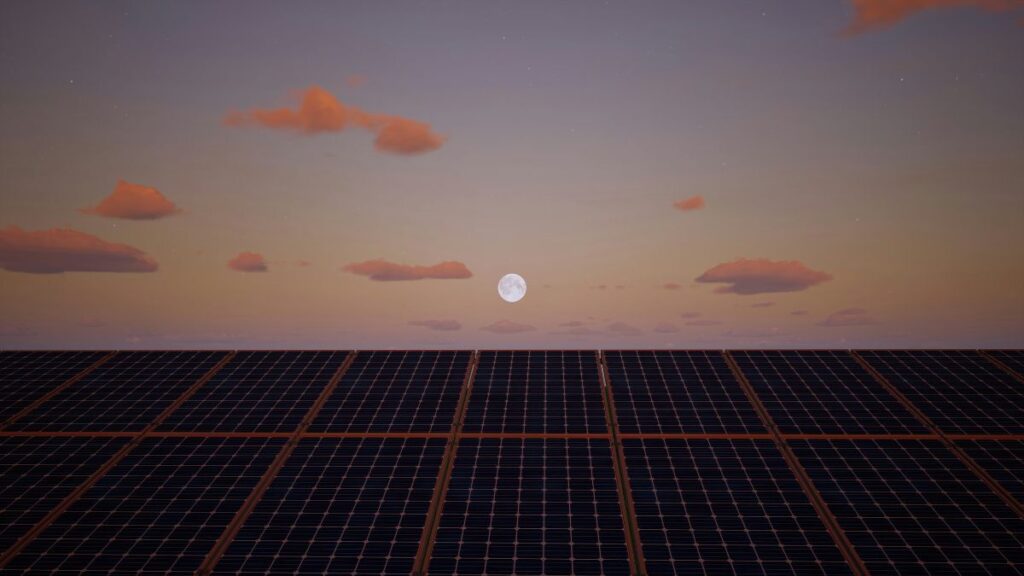
At first glance, the idea of harnessing the vast and sun-soaked Sahara Desert for a mega solar farm seems like a straightforward solution to our clean energy crisis. Just think about it: if we could cover even a fraction of this sprawling desert with solar panels, we could potentially create a significant renewable energy source. However, experts are urging us to look deeper. While the concept appears promising, the reality is far more complicated than it seems. Let’s delve into the reasons why this notion might not be as beneficial as it appears.
Deserts: The Solar Power Goldmine?
Deserts are indeed natural powerhouses when it comes to solar energy. Their large, flat expanses and abundant sunlight make them ideal spots for solar installations. The Sahara, for example, is rich in silicon, the key ingredient for photovoltaic cells that power solar panels. This is why many of the world’s most prominent solar plants are situated in desert regions.
Yet, the narrative is more intricate than mere geography. A 2024 study published in Nature assessed the potential of cloaking significant areas of the Sahara in solar panels. Their simulations predicted the impacts of covering 5%, 20%, and even 50% of the desert. The findings were both unexpected and alarming.
Complications on the Horizon
The prospect of solar farms in the Sahara isn’t without its hurdles. For starters, the financial investment required for building and maintaining such vast infrastructures would be astronomical. Moreover, the harsh environment poses a unique challenge: the desert’s sand can damage solar panels and necessitate frequent upkeep. Additionally, solar panel efficiency plunges when temperatures soar above 45°C—a common feature in the Sahara’s climate. Thus, while sunlight is plentiful, the effectiveness of these panels could diminish in the very environment where they are expected to flourish.
Even more concerning are the environmental ramifications of erecting these extensive solar farms. Simulations indicate that covering just 20% of the Sahara could elevate local temperatures by 1.5°C, and a 50% coverage could increase temperatures by 2.5°C. This localized warming wouldn’t just remain within the desert; it could have dire global implications. A rise of 0.39°C may seem insignificant, but such a shift across the globe could hasten the already pressing threat of climate change.
A Global Ripple Effect
The warming effects from the Sahara would resonate around the globe. An increase in desert temperatures could disrupt air circulation patterns, potentially leading to a rise in tropical cyclones in East Asia. The fallout doesn’t stop there—the Amazon rainforest, which depends on nutrient-rich dust from the Sahara, could face dire consequences if this supply is interrupted. A nutrient deficit could severely diminish the forest’s biodiversity and health.
This warming trend has the potential to catalyze the melting of polar ice, leading to dark ocean waters absorbing even more heat. This creates a feedback loop that accelerates global temperature rise, exacerbating the very dilemmas we’re striving to mitigate through solar power initiatives.
Seeking Sustainable Alternatives
It’s a bitter pill to swallow, knowing that our well-meaning efforts to embrace clean energy could inadvertently harm the planet further. So, what are the alternatives? Rather than fixating on a grand and potentially detrimental scheme, we should pivot towards other renewable resources. Wind energy, for instance, has shown considerable promise and might serve as a more sustainable avenue for large-scale energy production.
In summary, while the Sahara Desert may seem an ideal candidate for solar power generation, the environmental and logistical challenges it poses are significant. This serves as a reminder that the journey toward sustainable energy requires careful consideration and an awareness of the broader consequences of our choices. As we navigate this complex path, it may be time to explore alternatives that minimize disruption to our planet.





