
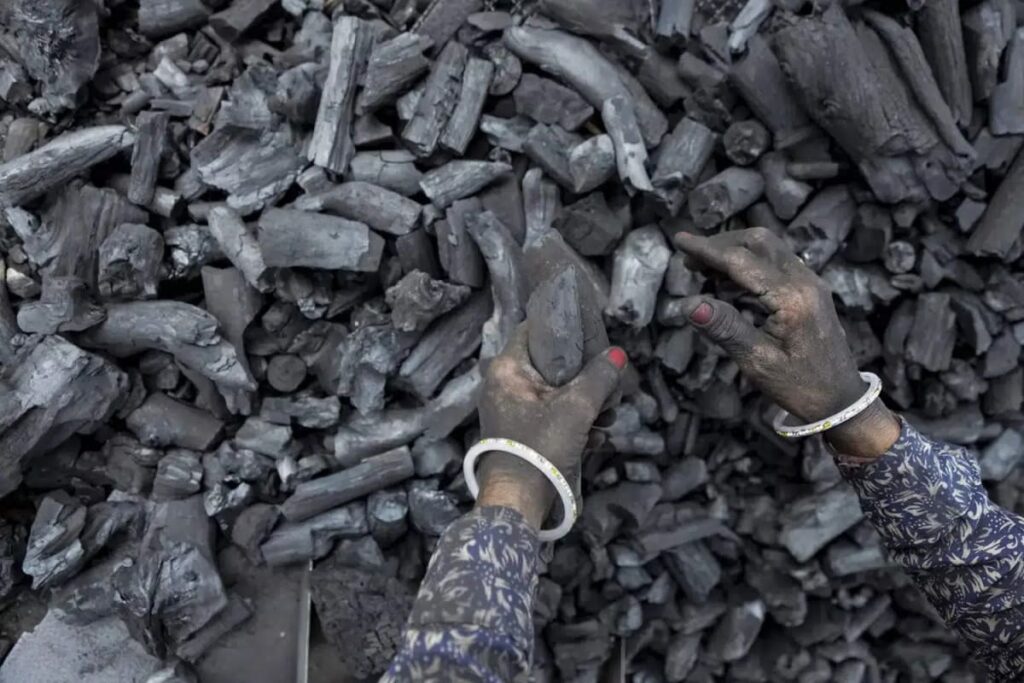
In a remarkable breakthrough, researchers from the Oak Ridge National Laboratory are challenging our previous perceptions of electric vehicle (EV) batteries. They’ve launched an innovative process that repurposes coal—often regarded as one of the most environmentally harmful fossil fuels—into a vital ingredient for the manufacture of cleaner batteries.
Transforming Coal into Graphite: A Game-Changer for EV Batteries
The Oak Ridge team has developed a method to convert coal into graphite, a key element in the production of EV batteries, particularly in their anode components. With an increasing demand for energy storage solutions, this process not only purifies coal to eliminate impurities but also produces a material that meets the strict standards required for battery manufacturing.
One of the standout advantages of this technology is its economic viability. The new method promises a reduction in production costs by 13% compared to conventional techniques, positioning it as a more affordable alternative amidst growing demand for electric vehicles.
- Lower processing temperatures: This innovation translates to decreased energy consumption in production.
- Faster processing times: This result is improved efficiency and quicker production cycles.
- Minimal carbon emissions: When paired with renewable energy, this technology could significantly enhance sustainability throughout the production process.
Tackling Mining Waste with an Eco-Friendly Approach
This advancement carries the potential for addressing the challenge of mining waste, particularly fly ash, which is a byproduct of burning coal. With over 100 million tonnes of fly ash deposited across the United States, its environmental impact is profound. By incorporating this waste into graphite production for EV batteries, researchers aim to simultaneously mitigate a waste crisis and generate a valuable resource for sustainable energy.
Estimates suggest that fly ash could account for as much as 30% of the graphite required for EV batteries by 2050. This novel approach not only tackles waste management but also promotes sustainable practices in battery production.
A Strategic Leap Towards Energy Sovereignty
The implications of this new process extend beyond environmental benefits; it is vital for reducing global reliance on China, which currently exercises significant control over the graphite market. In today’s geopolitical landscape, finding alternative sources for raw materials essential to energy storage is increasingly crucial. By enhancing the diversity of supply chains and fostering domestic graphite production, this innovation could bolster energy independence and shield critical industries from unexpected disruptions.
Evaluating Environmental Effects and Future Directions
While the advantages of coal-derived graphite are impressive, challenges remain. Coal extraction continues to be a leading contributor to rising atmospheric carbon levels, currently hovering around 423 parts per million (ppm)—a stark increase from the ideal range of 280-350 ppm. Understanding these issues, the researchers suggest that the technology might also adapt to use biomass or methane pyrolysis by-products as alternative carbon sources, potentially offering a more sustainable future.
The crux of ensuring this innovation is genuinely sustainable lies in prioritising existing waste materials rather than expanding coal extraction. By leveraging available waste, we can avoid further environmental degradation, paving the way for a cleaner and more efficient production method for the green energy sector.
In conclusion, this pioneering effort in transforming coal into graphite heralds a significant shift in the electric vehicle and sustainable energy landscape. However, vigilance is paramount to mitigate its environmental impact and ensure responsible implementation. If successful, it holds the potential not only to revolutionise battery production but also to cultivate a cleaner, more effective approach to achieving energy independence.





