
So, Why Is My Home So Damp?
Many of us find ourselves scratching our heads, wondering why our homes feel damp, especially during winter. As it turns out, humidity has a variety of contributors, and pinpointing these culprits can significantly simplify the solution. Subpar insulation allows the cold to seep in, causing condensation—consider that persistent fog on your windows. Add to this a failure to ventilate adequately or simply not airing out your spaces, and suddenly, the steam from cooking or showering lingers longer than it should.
Moisture accumulation on your walls is a quick recipe for mould and that all-too-familiar ‘stale’ odour, particularly in poorly ventilated areas. Throw in a few cracks in the exterior walls or a thriving jungle of indoor plants, and you’ve concocted a veritable soup of muggy air that can be tough to endure.
Natural Dehumidifiers vs. Chemical Solutions
Given all that discomfort, it’s tempting to rush to the supermarket and nab one of those chemical moisture absorbers. But before you raid the cleaning aisle, consider this: there are plenty of natural alternatives that purify the air without putting your health or the environment at risk. Simple, non-toxic solutions are not only gentler on your wallet; they can frequently outperform their store-bought counterparts. Take coarse salt, for example—it’s an age-old solution for soaking up unwanted moisture in homes.
Beyond salt, Japan has another ace up its sleeve: placing rice in small containers around the house. It draws moisture thanks to its natural drying properties and can be found almost anywhere. However, in the face of high or persistent humidity, these options might reach their limits. Here’s where the clay technique shines—efficient, user-friendly, and reusable with a simple drying session.
Forget about throwing ice cubes into the mix! While ice can offer a refreshing respite against summer humidity, it doesn’t quite cut it in winter when you’re looking to stay warm. Clay, however, is precisely what you need to navigate through the chill while keeping your home dry and comfortable.
Understanding the Japanese Clay Dehumidifier
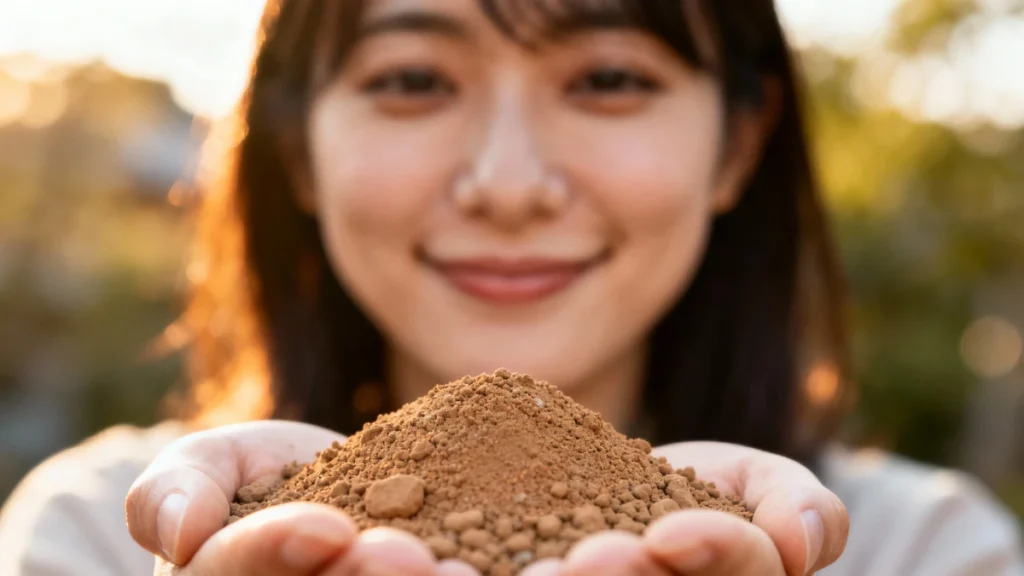
Crushed clay might seem like an unconventional approach, but it has proven itself as a moisture absorber, from mopping up spills to managing waterlogged gardens. At home, it transforms into a highly effective, all-natural DIY dehumidifier—and it’s more powerful than you might think.
A key point to remember: ensure you use high-quality clay and store it properly, just like you would with any moisture-absorbing or heat-generating material. (Anyone who’s left their wood pellets out knows they turn useless when damp—keeping everything dry is crucial for optimal performance!)
Here’s how to concoct your own clay dehumidifier:
- Grab a 1.5-litre (around 50 fl oz) plastic bottle and cut it about two-thirds of the way up. Invert the top and place it into the base—voilà, you have a homemade funnel!
- Insert a clean cloth in the neck to keep the clay pieces secure while allowing collected water to drain into the lower portion.
- Fill the funnel about three-quarters full with crushed clay, readily available at organic food stores or larger supermarkets’ natural products section.
If you’re a fan of humidity-hating houseplants—think bougainvillea—maintaining the right moisture levels is not just smart; it’s vital for successful propagating. (I know all green thumbs can relate!)
Place your nifty creation anywhere you’re dealing with excess dampness: whether in the bathroom, kitchen, laundry area, living room, or even the bedroom. The clay will start soaking up water vapour in no time, gradually collecting water in the bottom of the bottle. Once it’s full, simply pour it out, refill it with dry clay, and you’re set for another round. It’s eco-friendly, reliable, and a solution that endures!
Maintenance, Tips, and Alternative Natural Solutions
The location of your clay dehumidifier matters: aim for shadowy corners, areas near condensation-prone windows, or rooms that could benefit from better airflow. Bathrooms and kitchens are always strategic hotspots, but don’t overlook your living room, especially if it’s prone to fogging up.
The beauty lies in the simplicity. After each use, replace the saturated clay with fresh pieces. Dispose of the collected water down the drain, rinse out the bottle quickly, and you’re good to go—it literally takes three minutes to have your dehumidifier back in action for days to come.
The best part? This clay retains its absorbing capabilities even after being dried out properly. Allow it to air dry for a few hours or place it near a gentle heat source like a radiator, and pop it back in when required.
If you’re curious about trying other natural alternatives, consider these:
- Some use activated charcoal for air purification and drying
- Others keep bowls of coarse salt in humid corners—thanks to its porous crystalline structure, this method works similarly to attract moisture.
Various time-honoured tips from around the globe also inspire the search for local, natural solutions. Experimenting with mixing clay and coarse salt could yield delightful results, ensuring you benefit from a dual approach. Yet among all options, clay stands out for its affordability, eco-friendliness, and ability to effectively combat persistent mould and musty odours stemming from humidity, once and for all.





