
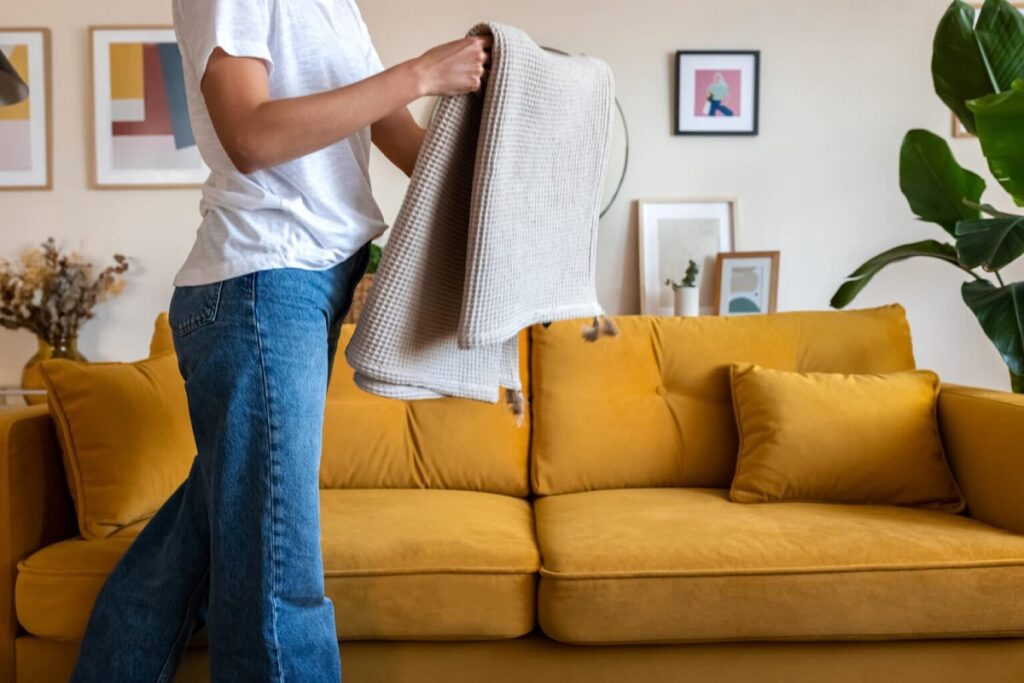
It hit me one October evening—when the light grew soft and the sounds of the house seemed amplified—that a familiar chaos had resurfaced. With toys strewn beneath the dining table and papers cluttering the sideboard, it was clear that disorder had quietly taken over my space. I wasn’t in the mood for a full clean-up, but I did have ten minutes, a trusty timer, and a curiosity about a Japanese ritual that promised to transform everything.
Discovering Oosouji: The Japanese Cleansing Practice That Reshapes Our Habits
Some homes radiate a sense of calm, even amidst the hustle and bustle of life. The secret, as I learned, isn’t incessant cleaning but rather intention. Oosouji, which roughly translates to “big cleaning,” is a four-century-old Japanese tradition rooted in the practice of clearing out dust, unused items, and stagnant energy in preparation for a fresh start at year’s end.
This ritual isn’t about attaining a perfect aesthetic or showroom-level cleanliness. Instead, it’s akin to a mindful practice where nurturing your environment translates to nurturing your mental state. Japanese cultural institutions often portray it as a purifying experience, forging a connection between your physical living space and mental clarity. While this notion may seem poetic, experiencing it firsthand revealed its practical benefits.
Why a 400-Year-Old Tradition Resonates in Modern Life
Our daily lives can feel overwhelming. With the demands of work, family, and an undercurrent of constant stress, few can carve out substantial time for cleaning. Oosouji feels almost revolutionary in its simplicity: just ten focused minutes. That’s it.
This promise of efficiency is why many are drawn to the concept. Psychologists from reputable organizations, including the British Psychological Society, frequently highlight the correlation between clutter and stress levels. A disorganized environment can heighten anxiety and diminish our ability to concentrate. It’s clear why a method that promotes order without consuming your evening hours is so appealing.
As autumn blankets us and we find ourselves indoors more often, the vision of a serene home is increasingly inviting. I discovered that on those dreary days, knowing I could swiftly restore a space made it feel infinitely more inviting.
Ten Minutes on the Clock: Practising Oosouji Daily
The brilliance of Oosouji lies in its straightforwardness. Set a timer for ten minutes and focus on a small area—just a corner, a surface, or an entryway. This is where adopting a daily decluttering mindset becomes vital.
On my first attempt, I targeted the hallway table. I quickly eliminated old receipts, misplaced keys, and decorative items I had long overlooked. A swift sort, a quick wipe, a breath of fresh air through the window, and I returned only what truly belonged there. When the timer signaled the end, I paused. Instantly, the space felt lighter—and so did I.
Here’s the rhythm that fuels its success:
• Set a time and stick to it
• Pick one specific area
• Toss what’s broken or unused
• Clean in one fluid motion
• Return each item to its rightful place
The essence is consistency over intensity. Over time, these minor daily actions accumulate. It almost becomes a game, especially when done with family. Believe it or not, ten minutes can genuinely rejuvenate a room.
From Clutter to Calm: Benefits Beyond Just a Neat Home
After a few weeks of this practice, the impact extended beyond mere appearances. Coming home became more seamless. There was less visual noise, fewer moments spent searching, and a decrease in minor annoyances. Research from wellness organizations suggests a strong link between organized spaces and improved mood, alongside a heightened sense of control.
But Oosouji imparts a quieter, deeper lesson as well. Letting go of unused possessions often signifies an emotional release too. It fosters a mental reset, creating space not only on shelves but also in our thought processes. In these times of evaluating consumption and sustainability, this mindset of resisting overload feels particularly relevant.
This approach naturally champions quality over quantity, favouring functional items over excess. Materials like wood, linen, and cotton stand out better when not vying for attention against piles of clutter. The home transforms into a warmer, calmer, more intentional haven.
Beneath the allure of a quick tidy-up, Oosouji reveals something deeper. It reframes cleaning as an act of care rather than a menial chore. Ten minutes each day, executed with intent, can fundamentally alter how a home feels and how you feel within it. As the evenings darken and we reach for candles and comfort, that quiet transformation could be just what many of us have been seeking.





