
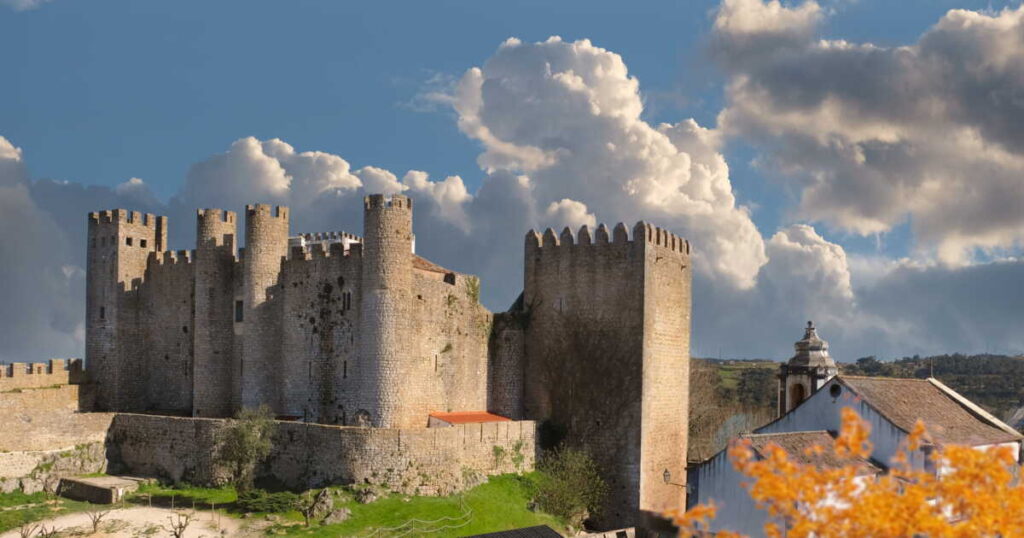
When we think about the Middle Ages, images of valiant knights, lavish feasts by flickering candlelight, and imposing stone castles often come to mind. However, beneath the veneer of romance lies a more practical question: how did people handle their sanitary needs? Interestingly, medieval innovators had some surprisingly clever—and at times quite audacious—solutions to this age-old dilemma.
The Hygiene Struggle Within Castle Walls
Life inside a castle wasn’t all that glamorous. Maintaining cleanliness was a constant challenge, especially during sieges when hundreds of people were trapped indoors for weeks or even months. Historians at the British Museum highlight that sanitation was essential to curtail the spread of diseases, and medieval architects took this issue very seriously.
Their answer? The garderobe—a toilet ingeniously built into the castle walls, often projecting out over the moat or courtyard below. While they may have resembled little balconies or defensive armaments from the exterior, their function was far less noble.
How These Ingenious Toilets Operated
The design was simple yet remarkably effective. Waste would drop through a vertical chute or hole, landing in a pit or even the moat below. Gravity did the heavy lifting—no plumbing, no water, no flushing. Some castles even leveraged naturally flowing streams beneath their walls to help wash waste away.
Inside, garderobes were often narrow, enclosed spaces made from stone or wood, featuring a bench seat and a small opening. Ventilation shafts were incorporated to help mitigate odor, but by contemporary standards, the aroma was far from ideal. Nonetheless, for the era, it represented a significant feat of medieval engineering.
The Hierarchy of Toilet Access
Access to toilets in castles was dictated by social status. Lords and ladies enjoyed the luxury of private garderobes adjoining their chambers—sometimes even outfitted with wooden lids for added modesty and comfort. In contrast, servants, soldiers, and other workers often had to share communal facilities or improvise with whatever space was available.
During sieges, there are even accounts of desperate attackers attempting to infiltrate castles through latrine shafts—a perilous and most unpleasant strategy that rarely ended well.
The Brave Souls Who Did the Dirty Work
Of course, waste didn’t just vanish. The pits beneath garderobes needed routine cleaning, typically once or twice a year. This unpleasant job fell to a group of workers known in England as “gong farmers.” They worked primarily at night, excavating and transporting waste to dispose of far from castle grounds.
In France, a comparable role existed under the rather unfortunate title “maîtres Fifi,” which carried an equally unflattering reputation. Despite its essential nature, this profession gradually died out as plumbing and improved sanitation systems emerged in later centuries.
Medieval Ingenuity, Stripped of Glamour
Today, as we explore the ruins of ancient castles, we admire their majestic towers and expansive courtyards, yet rarely stop to consider their waste disposal systems. Those small stone chambers that jut from the walls played a crucial role in daily life.
These suspended toilets were straightforward but practical and surprisingly efficient. They demonstrate that even in an age defined by swordplay and chivalry, people were already innovating ways to manage waste discreetly and safely.
So next time you glimpse a small alcove extending from a castle wall, remember—it likely wasn’t a lookout point or a window. It was, in essence, a medieval restroom, a reminder that even the most gallant knights and highborn nobles were not immune to the calls of nature.





