
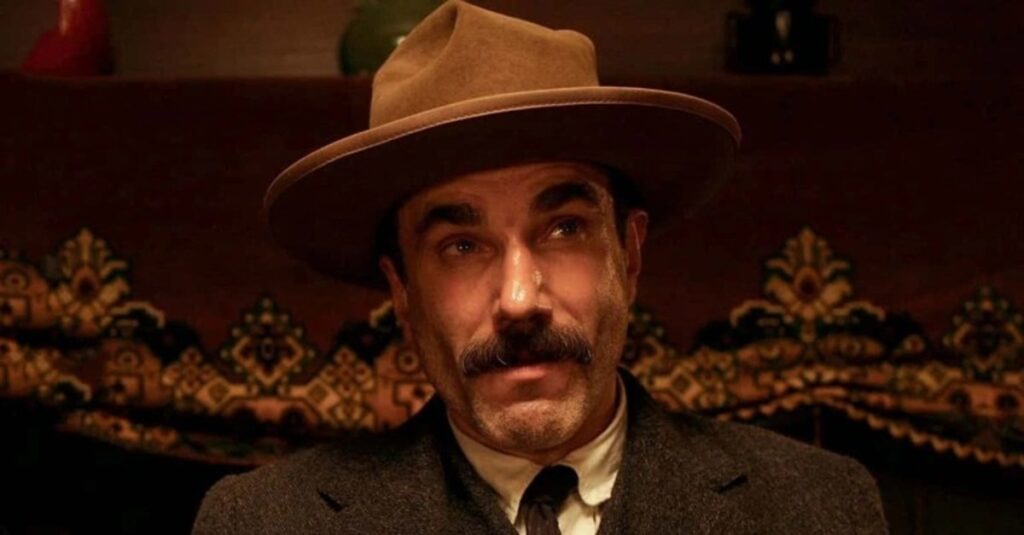
Long before the acclaim, the Oscar accolades, and the hushed whispers of critics, he was merely a teenager fading into the backdrop of a serious British film. Few had their eyes on him back then. Now, over fifty years later, he is celebrated as one of the greatest actors of his generation.
An unnoticed beginning
In the early 1970s, a young Daniel Day-Lewis made a brief, uncredited appearance in a film that would eventually garner several Oscar nominations. At that time, he was just a teen without any formal training and far from the legacy he would later create. It was a role that most actors would forget—a fleeting moment on screen, easily overlooked.
I’ve talked to many actors who began in similar circumstances—packed sets, brief appearances, and long hours, often with little to show for their efforts. While many fade away at that stage, Day-Lewis chose a different route: he opted for a pause, dedicating himself to mastering his craft instead of chasing quick fame.
Training for serious performances
After that initial experience, he shifted his focus to theatre, enrolling in professional training and refining his skills on stage. When he returned to film in the 1980s, it became apparent he had no interest in taking shortcuts. His early roles in historical dramas and literary adaptations soon captured the attention of critics.
Films like My Beautiful Laundrette and A Room with a View revealed a young actor deeply committed to character immersion and emotional depth. Industry insiders, including members of the British Film Institute, often illustrate this period as the turning point when his remarkable dedication became impossible to ignore.
A historic record
Throughout the years, Day-Lewis sculpted a career distinguished by intensity, patience, and rarity. He made history as the only actor to win three Academy Awards for Best Actor, portraying vastly different characters: a writer with disabilities, a ruthless oil magnate, and a contemplative U.S. president.
His acting process is the stuff of legends. For one role, he remained in a wheelchair throughout shooting; for another, he mastered trades, accents, and physical habits, to the point where cast and crew referred to him solely by his character’s name. While this level of method acting sparks debate, the undeniable results have earned him continued accolades from the Academy of Motion Picture Arts and Sciences.
A quiet departure and return
In 2017, he announced his retirement, opting to step away from the limelight while still riding high. Over the years, his absence only served to enhance his mystique. Then came news of a subtle return in a film co-written with his son—a project that, while not driven by blockbuster ambitions, felt deeply personal.
That seemed appropriate. His career hasn’t been about seeking visibility for its own sake; rather, it’s been defined by artistic discipline, carefully chosen roles, and an unyielding commitment to his standards.
The enduring impact of his journey
From an uncredited role in an acclaimed film to becoming a cinema legend, Day-Lewis’s path is a testament to how greatness often starts in obscurity. While talent is crucial, attributes like patience, discipline, and relentless preparation hold equal weight.
In an industry fixated on instant success, his journey is a refreshing exception. After fifty-four years, that once-invisible teenager has emerged as a benchmark for what true acting should be.





