
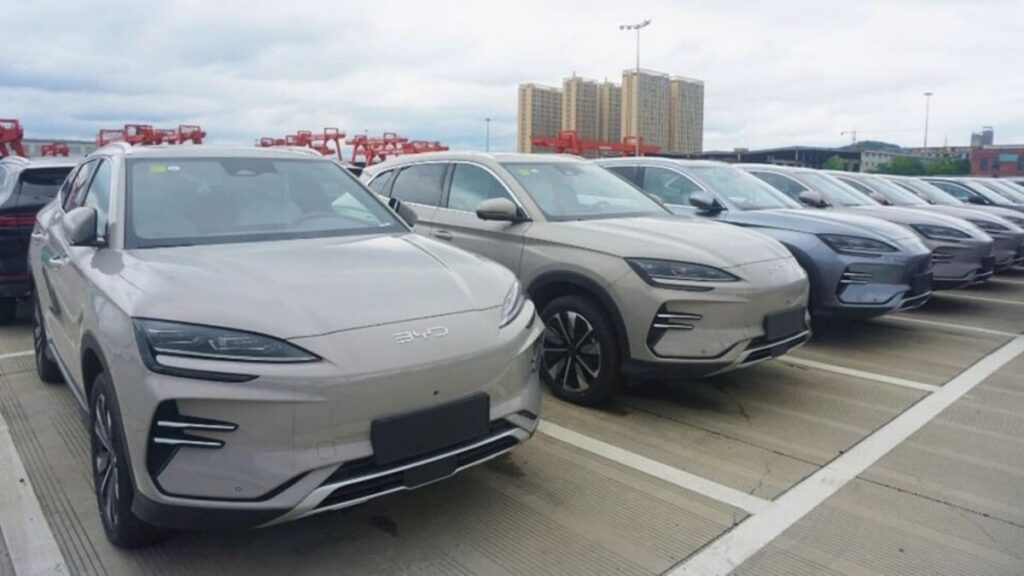
In response to years of fluctuating reviews and mounting international criticism, China has resolved to reshape its automotive image. Beginning in 2026, Beijing will implement stringent new export regulations aimed at ensuring that only high-quality vehicles and responsible manufacturers represent the country’s automotive industry internationally.
A decisive step towards industry reform
Chinese carmakers have long inundated global markets with affordable vehicles, particularly in the burgeoning electric vehicle (EV) sector. However, this rapid expansion has come hand in hand with issues such as inadequate after-sales service, lack of spare parts, and, in some instances, cars that don’t meet local standards.
In a bid to address these challenges, the Chinese Ministry of Commerce has rolled out comprehensive reforms to tighten control over automotive exports. Starting January 1, 2026, companies wishing to export electric cars will require official export licenses—akin to the regulations currently in place for petrol and hybrid vehicles. Only accredited manufacturers and authorized dealers will be permitted to ship vehicles overseas.
The objective, as outlined by industry experts, is unmistakable: to eradicate what officials have labelled the “Wild West” of unregulated exporters and to restore confidence in the “Made in China” automotive brand.
Closing the export loopholes
Recently, numerous small traders—neither official manufacturers nor certified distributors—have been exploiting gaps in existing regulations. They would buy new electric vehicles domestically, falsely label them as used, and export them to international markets.
On the surface, this might seem innocuous. However, buyers often discovered too late that these vehicles arrived lacking proper documentation, servicing options, or spare parts. When issues arose, customers found themselves without support.
This practice has not only tarnished the reputation of Chinese vehicles overseas but also sparked fierce price wars. By undercutting official prices, these grey-market exporters compelled legitimate manufacturers to lower their margins to remain competitive.
Beijing’s new regulations are set to halt this downward spiral by enforcing stringent quality and service requirements for all automobile exports.
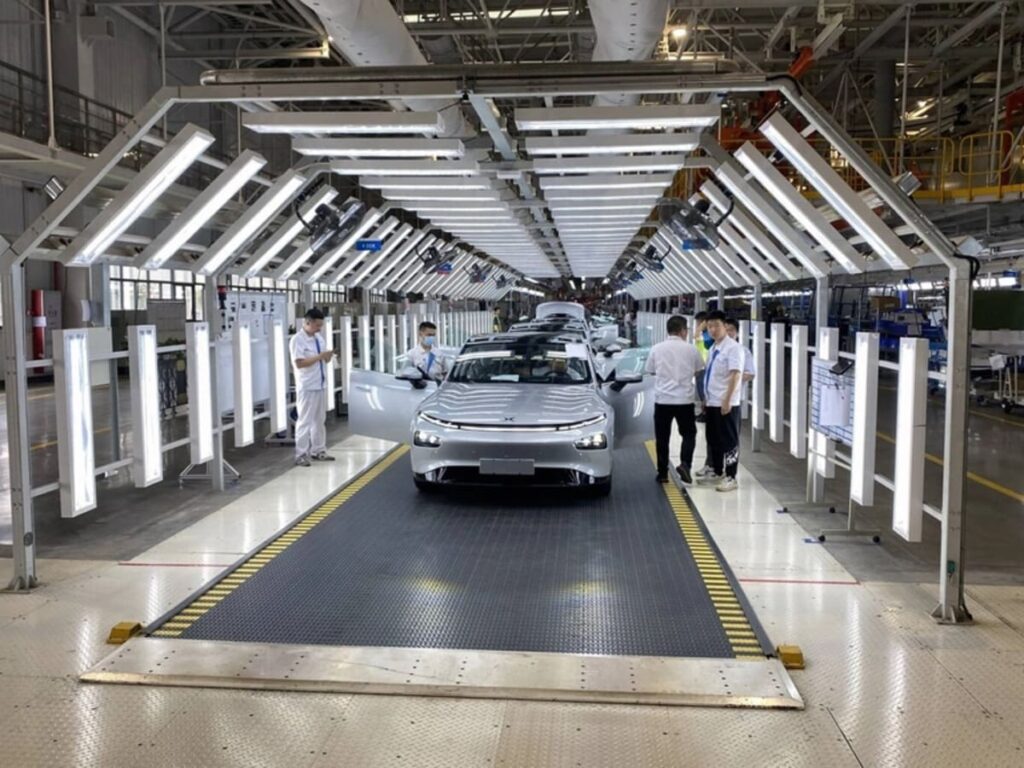
Shifting focus from quantity to quality
The newly introduced export rules signify a pivotal shift in China’s industrial philosophy: prioritizing quality over quantity. As Wu Songquan from the China Automotive Technology and Research Center noted, trust on the global stage must be earned through reliability and consistency—much like the approach taken by Japanese and European manufacturers in previous decades.
“Consumers worldwide hold brands known for high quality in high regard,” Wu stated. “Chinese automakers must implement standardized procedures and ensure that they export reliable, well-constructed vehicles through independent operations.”
This perspective reflects an increase in confidence within China’s automotive sector. Despite escalating global trade tensions and import tariffs, Beijing believes that a commitment to long-term credibility and innovation will position Chinese manufacturers favorably against leaders such as Tesla, Toyota, and Volkswagen.
Safeguarding the ‘Made in China’ brand
China’s electric vehicle revolution has been one of the decade’s defining industrial milestones. The nation now produces over half of the world’s EVs, with brands like BYD, NIO, and Geely gaining international acclaim. However, while these manufacturers have impressed global consumers with their technology and pricing, the after-sales experience has often lagged behind.
The forthcoming export licensing system aims to address these shortcomings. Manufacturers will be required to demonstrate that spare parts and maintenance services are accessible in target markets prior to obtaining export approval. This initiative is designed to ensure that each exported vehicle represents China’s modern industrial standards, rather than being a reminder of its past struggles.
A transformative era for Chinese automakers
If successful, this plan could enable Chinese brands to overcome their reputation for inconsistency and position themselves as formidable global competitors. It’s a daring strategy: constraining exports in the short term to cultivate stronger trust in the long run.
As the automotive landscape increasingly shifts towards electric mobility, China aims to be recognized not only for cost-effective manufacturing but also for excellence in production. If this new approach yields results, it’s likely that the next time you spot a Chinese EV on the road, you’ll think less about its origins and more about how far it has advanced.





