
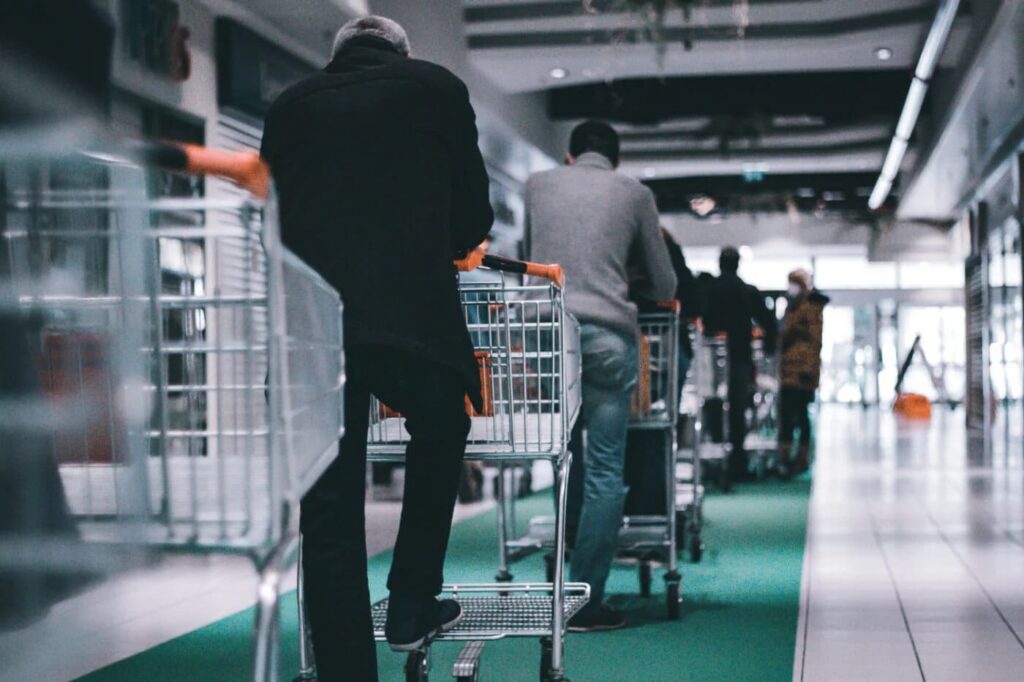
Not too long ago, self-checkout systems seemed like the future of shopping—promising faster lines, less small talk, and a quick exit from the supermarket. However, that initial allure has begun to fade. With frustrating error messages and inconvenient security holds becoming more common, both consumers and retailers are starting to question whether self-checkout was ever truly a good idea.
A retail revolution that looked great on paper
When self-checkout machines first hit the scene, they were hailed as a win-win for everyone involved. Shoppers would appreciate the speed and control, while retailers saw an opportunity to reduce staffing costs by designating one employee to oversee several kiosks. In theory, it was efficient, modern, and perfectly suited to a society increasingly used to technology.
I recall those early days vividly. At my local supermarket, the machines felt almost thrilling, like trying out the latest tech gizmo before anyone else. Yet, the excitement dwindles rapidly when you find yourself waiting for assistance while a receipt stubbornly refuses to finish printing.
When automation stops feeling automatic
A key issue is that the self-checkout experience is far from the seamless process it was meant to be. Machines frequently freeze, misread barcodes, or flag unexpected items in the bagging area. Each hiccup slows down the process and undermines the initial promise of efficiency.
Christopher Andrews, an associate professor of sociology at Drew University, highlights that retailers assumed self-checkout was the logical evolution in shopping, but many are slowly realising they’re not saving money—they’re losing it. The costs often shift elsewhere, manifesting in maintenance woes, rising theft, and increasing customer dissatisfaction.
Theft and staffing: an unexpected financial burden
Loss prevention has emerged as a significant problem. Multiple industry reports indicate that stores heavily reliant on self-checkout experience higher shrinkage than average, which simply means retail losses are on the rise.
Executives have begun to face this reality. Todd Vasos, the CEO of Dollar General, acknowledged to investors that his company had leaned too heavily on self-service options. In some locations, just one or two staff members were left to manage the entire store, resulting in predictable outcomes: rampant theft and overwhelmed employees.
The company has since unveiled plans to restore more staff to the checkout area—a quiet but telling reversal of their previous strategy.
Consumers caught in a convenience vs. frustration dilemma
While shoppers haven’t completely turned their backs on self-checkout, their patience is wearing thin. A survey conducted in 2021 of 1,000 American consumers revealed that, although many appreciated being able to scan their own items, over two-thirds had encountered failures during the process.
Amit Kumar, a professor of marketing and psychology at the University of Texas, summed it up well: if customers don’t feel they benefit from self-checkout, they simply stop using it. This insight can help explain the resurgence of long lines at staffed checkouts, even when the self-checkout lanes sit fairly empty.
The problem isn’t solely with the technology. Many shoppers feel resentful about performing unpaid work, packing groceries while being watched by cameras and alarm systems. What was once meant to feel empowering can quickly devolve into tedious toil.
Supermarkets adapting their approach
Throughout Australia, major retail chains are reassessing their strategies. Stores like Target, Woolworths, and Coles have started to reduce the number of self-service machines or limit their functionality.
Most aren’t eliminating self-checkout entirely—too much money has already been invested. Instead, the emerging model prioritises customer choice. Shoppers can now decide whether they prefer to interact with a staff member or a machine based on their mood, the size of their shopping basket, or how pressed for time they are.
The enduring value of human interaction
Retail experts are increasingly arguing that supermarkets have underestimated the importance of human interaction. A staffed checkout can instantly resolve issues, deter theft, and enhance the overall customer experience.
Self-checkouts aren’t disappearing; instead, they’re evolving into tools rather than replacements. The future of supermarkets likely hinges on striking a balance—combining an awareness of automation fatigue with a thoughtful in-store experience.
For many shoppers, a perfect visit involves smooth scanning when technology cooperates, paired with a friendly face when it doesn’t. After all, progress only counts when it truly simplifies life.





