
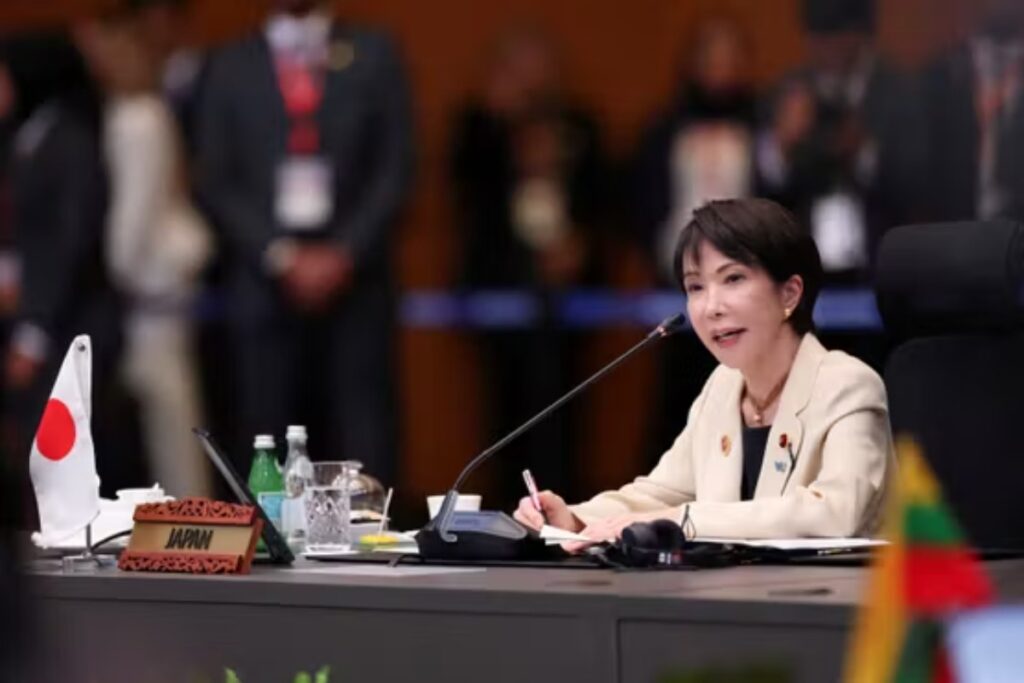
Recently, tensions between Tokyo and Beijing have intensified dramatically, sparked by statements made in Japan’s Parliament. What started as a political comment regarding Taiwan has quickly escalated into a series of travel advisories, flight cancellations, and renewed accusations. This incident highlights the fact that in East Asia, words carry significant geopolitical implications and rarely go unnoticed.
The Statement That Triggered a Diplomatic Crisis
Recent remarks by Japan’s Prime Minister, Sanae Takaichi, have ignited controversy and diplomatic upheaval. She suggested that a Chinese military action against Taiwan could represent a direct threat to Japan’s national security, implying that Japan might have to intervene. Although Takaichi framed her comments as a precautionary measure, they were enough to provoke a strong backlash from Beijing.
Chinese officials condemned Takaichi’s remarks as inflammatory and accused Japan of destabilizing the region. The Chinese embassy in Tokyo expressed that these comments had “seriously damaged” relations, a phrase often used by Beijing to signal intense dissatisfaction.
The situation escalated rapidly. Citing major security risks, China formally advised its citizens to refrain from traveling to Japan for the foreseeable future — a warning typically reserved for natural disasters or military conflicts, not for political discourse.
Airlines React Amid Rising Tensions
In quick response to the travel advisory, several of China’s major airlines, including Air China, China Southern, and China Eastern, announced they would be offering full refunds for any passengers traveling to Japan from mid-November through the end of December. Passengers were given the option to reclaim their fares or change their travel plans without penalty.
It’s not common for major airline carriers to alter their operations in response to diplomatic rhetoric, but this incident underscores how seriously Beijing views Japan’s stance on the Taiwan issue. The World Tourism Organization has previously noted that political tensions are a major factor in travel disruptions in Asia, and this situation fits that pattern perfectly.
Taiwan: A Matter of Strategic Importance
Japan’s perspective on this issue is shaped largely by its geographical proximity to Taiwan, which is approximately 100 kilometers from Yonaguni, one of Japan’s southernmost islands. Defence experts have long cautioned that any hostilities involving Taiwan would likely extend to Japanese air and sea routes. Under Japan’s security protocols, military action is permissible only when the country’s survival is threatened, and Takaichi’s statement was largely interpreted as suggesting that a Chinese aggression could cross that line.
In reaction, Beijing—asserting its claim to Taiwan—deemed Takaichi’s remarks as extremely serious and promptly summoned Japan’s ambassador. Tokyo responded in kind, accusing a Chinese diplomat of making an “unacceptable threat” after he posted an aggressive message online targeting Takaichi’s comments.
In the usually measured realm of diplomacy, such provocative language is a rarity and highlights the rising volatility of the situation.
Calls for Stability Amid Growing Friction
Despite escalating tensions, Tokyo maintains that its position regarding Taiwan remains unchanged: a commitment to peace, stability, and dialogue. Senior officials have underscored Japan’s desire for a “strategic and mutually beneficial” relationship with China. However, Beijing’s travel warning suggests a more tumultuous atmosphere where mutual trust seems to be waning.
This exchange serves as a stark reminder of the fragile security landscape in the region. A single parliamentary statement, carefully considered or not, can reverberate through travel advisories, national policies, and strain relations between two of Asia’s most significant nations.
As the situation unfolds, one thing remains clear: in this part of the world, rhetoric transcends mere words. It has the power to reshape diplomatic ties, disrupt economies, and leave millions eagerly watching for the next developments.





