
Traveling with kids can feel like a military operation: careful planning, seat reservations, packing ample snacks, and crossing fingers for a smooth journey. For one Australian mother, what began as an ordinary train trip across the country escalated into a revealing discussion on modern manners. This seemingly straightforward family outing quickly turned into a contentious dialogue about entitlement, politeness, and the often peculiar behaviour people exhibit in public settings.
A reservation mishap
Amanda Mancino Williams, a 37-year-old mother of three, had taken all necessary precautions before their departure. Like many parents, she reserved seats to ensure her children could travel together—a small but crucial step that can significantly ease travelling chaos. Anyone who has attempted to manage restless children during a train ride understands that separation is a recipe for disaster.
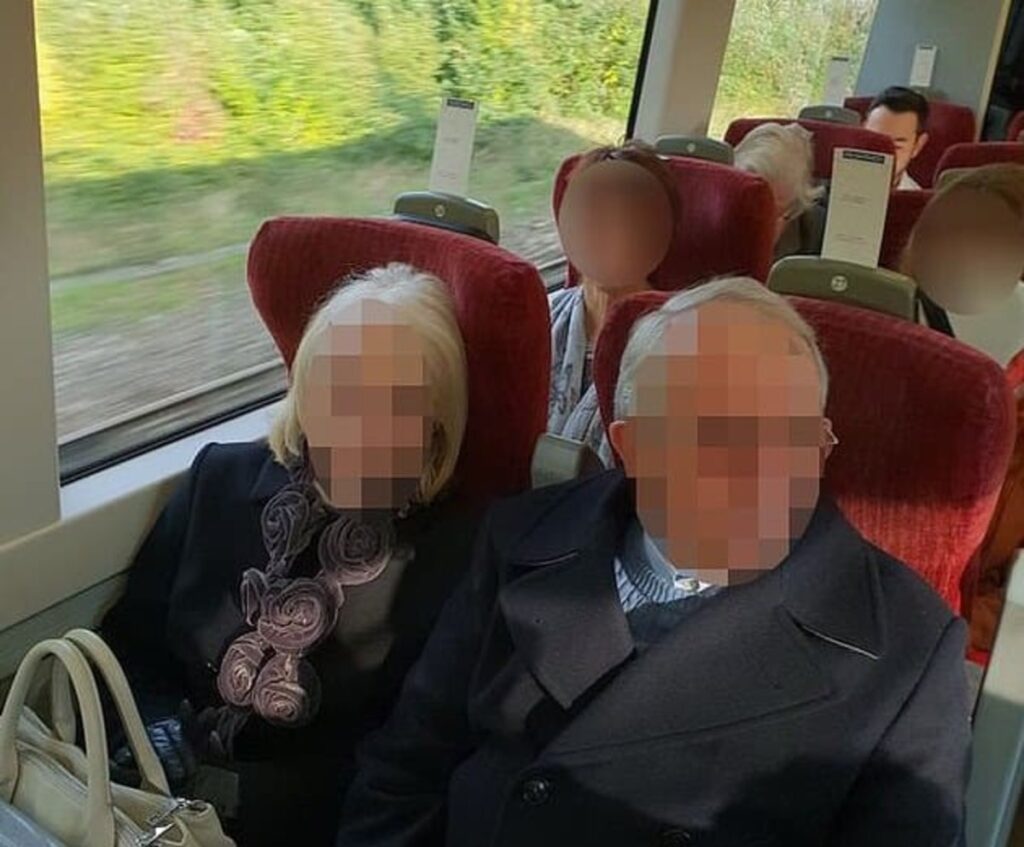
However, upon boarding, Amanda and her children discovered that two of their reserved seats were already occupied by an elderly couple, blissfully settled in as if they had lived there forever. Amanda approached them confidently, armed with her valid reservation, but was met with a dismissive response. The couple brushed her off, treating her explanation as if it were merely a suggestion.
An unexpected twist
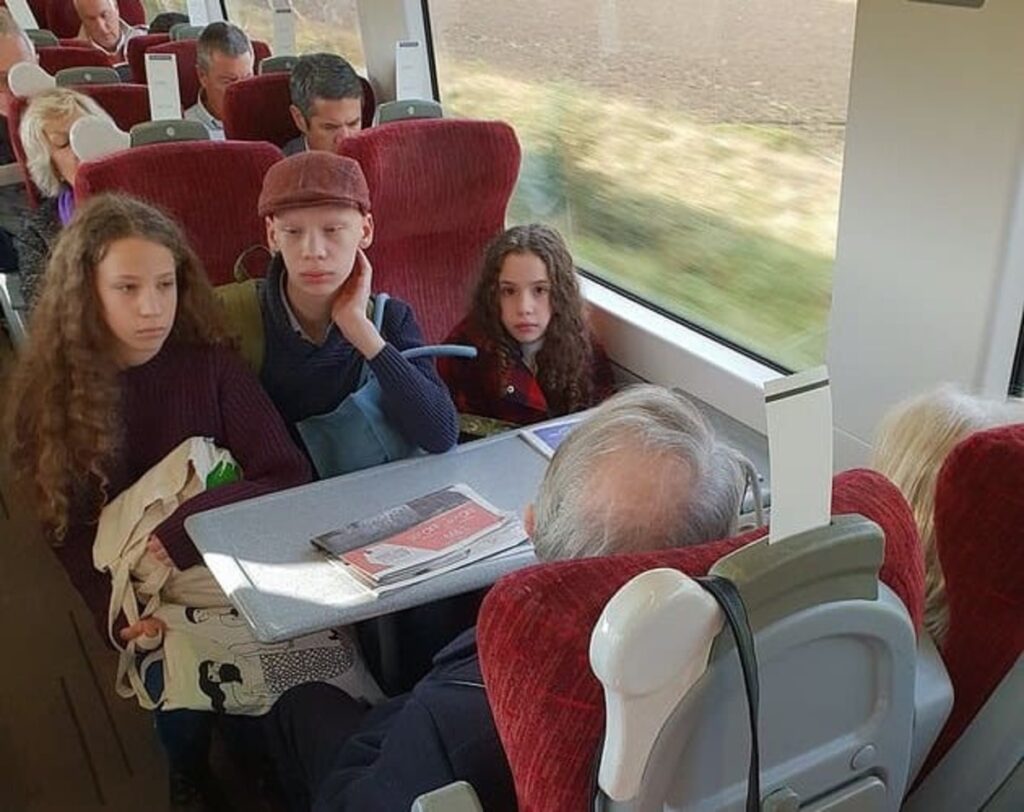
Stunned, Amanda did what many might fantasize about but rarely attempt: she documented the encounter. She took a photo, seated her children across from the couple, and tried to salvage the awkward situation.
In a surprising development, the train manager intervened, offering Amanda and her kids an upgrade to first class. This thoughtful gesture alleviated some of the inconvenience, though it couldn’t completely erase the tension of the earlier confrontation. According to Transport Focus, an independent transport user watchdog, disputes over reserved seating are among the most frequent complaints from passengers—highlighting that Amanda’s experience isn’t isolated.
Once she arrived at her destination, Amanda took to social media to share her experience. Her post quickly gained traction, sparking thousands of comments and likes as others recounted their own tales of reservation mishaps, battles over public decency, and the occasional acts of kindness.
Fueling the debate
What ignited heated conversations online was not just the couple’s refusal but the attitude behind it. Amanda later noted that if the couple had provided a genuine reason—such as mobility issues or discomfort—she would have willingly relinquished the seats. Instead, their entitled behaviour prompted her to label the moment as an instance of ‘passive rudeness’, a phenomenon familiar to anyone traversing crowded trains or buses.
Social etiquette experts argue that respecting reserved seating is about more than logistics; it represents a critical act of fairness. The Rail Delivery Group, which advocates on behalf of train operators across Australia, underscores that seat reservations aim to create clarity and lessen anxiety for passengers, particularly families, seniors, and those with special needs.
Encouraging common courtesy
Amanda’s experience reignited a broader conversation: should transport companies more strictly enforce seating reservations, or is this a matter of social decency?
While policies can assist, genuine change relies on simple actions—acknowledging someone else’s reservation, offering assistance when necessary, and realising that shared spaces function best when individuals exercise consideration, patience, and basic civility.
What began as a frustrating ordeal for Amanda blossomed into a broader reflection on social behaviour. It serves as a gentle reminder that while travel often brings out the best and worst in people, we can all choose to make someone else’s journey smoother rather than more difficult.
And often, this starts with something as simple yet profound as acknowledging a reserved seat.





