
For countless retirees, the vision of a tranquil future hinges on the home they’ve diligently cultivated over decades. However, when that sanctuary is brazenly overtaken by intruders, the repercussions extend far beyond mere property loss. It disrupts daily life, depletes savings, and thrusts individuals into a labyrinth of procedures they never anticipated. This unsettling scenario played out for Alain and Martine Guérini, and the repercussions of their experience raise serious questions about the protection of vulnerable homeowners.
A Home Occupation That Shattered Retirement Plans
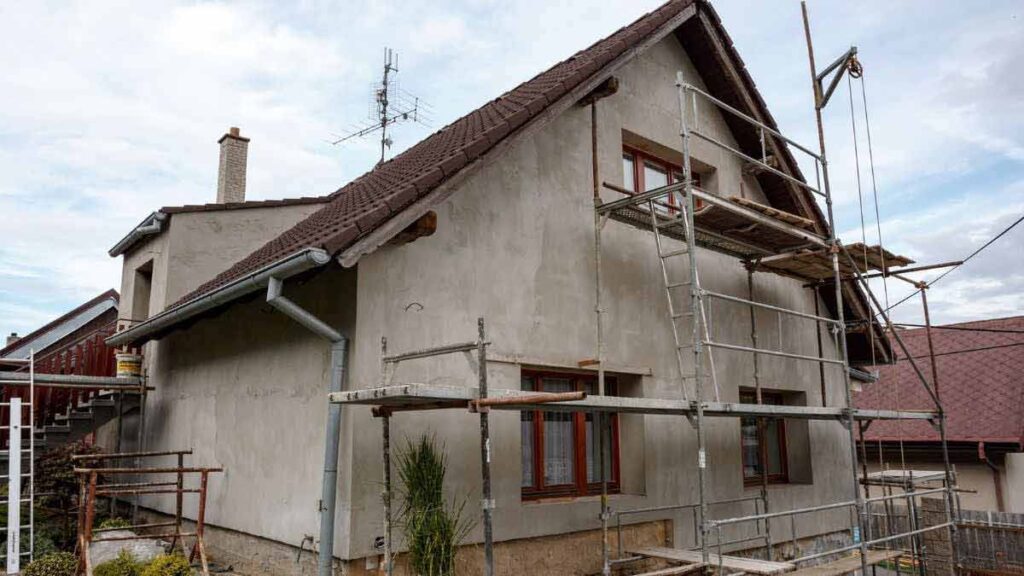
The Guérinis had been meticulously renovating their home in Villeparisis since 2021, intending to sell part of it to secure a more stable retirement income. Everything seemed to be on track: investments were made, schedules were established, and contractors were enlisted. However, their plans took a dramatic turn in May 2024 when they were away, and strangers forcibly entered their property.
Initially, there were only subtle signs – unusual sounds and flickering lights – until concerned neighbours raised the alarm a month later. What they uncovered was far from a simple break-in; it was a calculated occupation. Tools were relocated, sections of the house had been taken over as makeshift living spaces, and personal belongings indicated that the intruders had settled in with alarming assurance.
By June, the situation deteriorated further. The trespassers had not only transferred the electricity account to their names but also audaciously listed part of the unfinished house as a holiday rental. The timeline reads like a farcical drama: break in, take control, and attempt to profit from it. For the Guérinis, however, it dealt a devastating blow to their already precarious financial plans.
Navigating a Legal Minefield
The couple lodged their first police report on June 7, 2024. When no action was taken, they filed another report two weeks later. Eventually, authorities issued a formal eviction notice, granting the occupants until July 18 to vacate. Yet, they chose to ignore it.
It wasn’t until August 5 that an eviction was enacted, requiring a substantial force—around twenty personnel, including gendarmes, municipal officers, and private security. Several individuals were arrested at the scene, some under the influence of substances. The property was finally returned, but not without significant emotional, financial, and physical strain.
Legally, the primary offender faces up to three years in prison and a 45,000 euro fine, meant to deter illegal occupations. Advocacy groups that support vulnerable demographics, such as Age UK, underscore that the emotional impact of such incidents can be just as damaging as the financial losses. For retirees like the Guérinis, fighting for their home consumed precious time and energy they will never reclaim.
Shortcomings in the Legal System
The fallout from this intrusion extended well beyond the immediate violation. A motorbike disappeared, parts of the house were left in disrepair, and their plans to sell the property were indefinitely postponed. Renovations came to a standstill while they navigated bureaucratic hurdles, each delay threatening their financial stability further.
It took over two months to evict individuals from a clearly uninhabited, under-construction property. The disparity between legal frameworks and their execution allowed intruders to exploit bureaucratic loopholes, utilizing time as a weapon. Meanwhile, the rights of the homeowners were only upheld after prolonged waiting periods.
Such cases are not anomalies. Housing advocates and legal experts are clamouring for more streamlined procedures that protect property owners from drawn-out disputes. The challenge for law enforcement lies in balancing respect for fundamental rights while ensuring that illegal occupations do not exploit slow administrative processes.
Towards Effective Protection for Homeowners
The Guérini case underscores a heartbreaking irony: even when the law is ostensibly on the side of retirees, the road back to normalcy can be frustratingly slow. While penalties may exist on paper, genuine protection requires swift, decisive action—something older homeowners especially rely on when their financial stability pivots on a single property.
For Alain and Martine, every delayed week brought postponed plans, additional costs, and mounting anxiety. Their ordeal serves as a stark reminder for professionals in the sector that an ageing population requires not only legal protections but also practical, efficient processes that genuinely safeguard their interests.
In their instance, the couple ultimately regained their home. Yet, a pressing question lingers: how can a legal system designed to protect citizens ensure that the most vulnerable aren’t left to bear the brunt of an unjust situation?





