
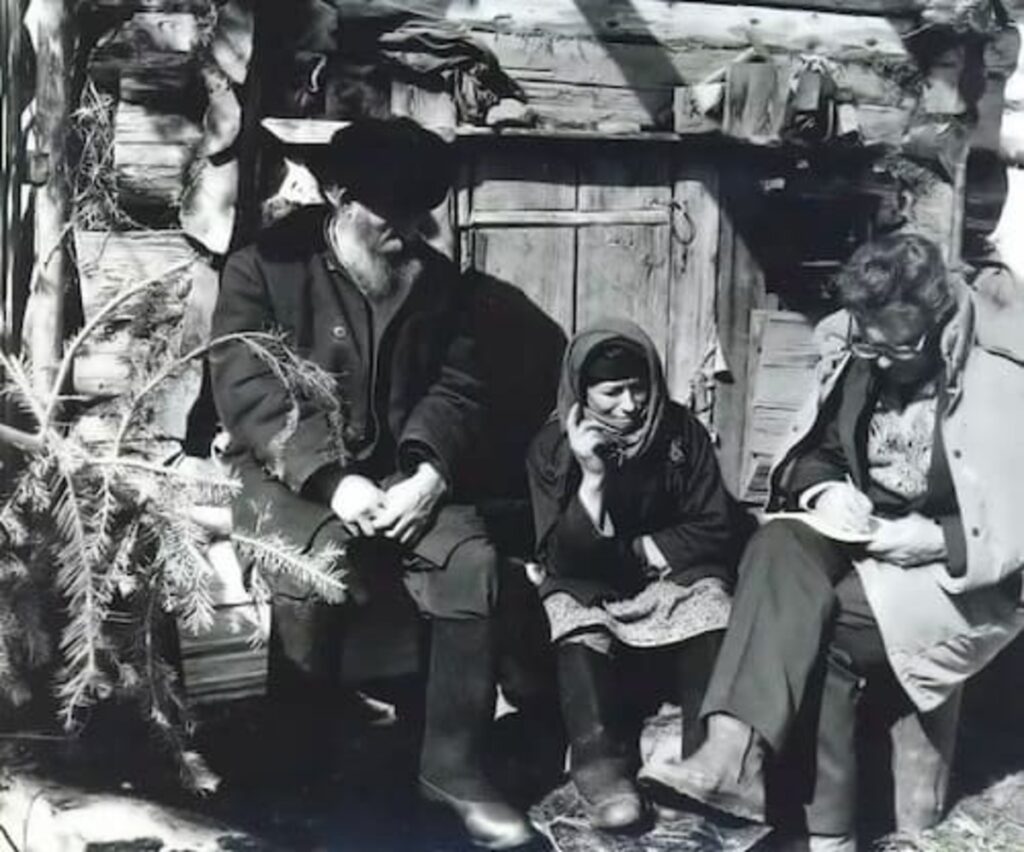
In an era where smartphones incessantly buzz and social media keeps us indefinitely connected, the thought of living entirely off the grid—particularly for decades—seems almost unfathomable. Yet, that’s precisely what the Lykov family from Russia accomplished. Nestled deep within the untamed wilderness of Siberia, they thrived for 40 years, cut off from electricity, news, and human contact. Their extraordinary tale reads more like a poignant fable about faith, resilience, and the human capacity to adapt in the face of overwhelming odds.
The Lykov Family: Life Beyond Civilisation
The saga of the Lykovs traces back to the tumultuous 1930s, a period marked by intense Soviet repression in Russia. After witnessing the murder of his brother by soldiers, Karp Lykov—a devoted Old Believer—sought refuge in the Siberian taiga with his wife, Akulina, and their two young children. Their aim was simple yet radical: to live freely, even if it meant disappearing from the world altogether.
They ventured hundreds of kilometres into the forest until they found a secluded piece of land to call their own. Amidst the snow, silence, and wildlife that included wolves and bears, they constructed a modest life from sheer determination. They fashioned clothing from hemp and tree bark, planted a small vegetable garden, and survived the brutal winters by relying on berries, potatoes, and whatever they could trap.
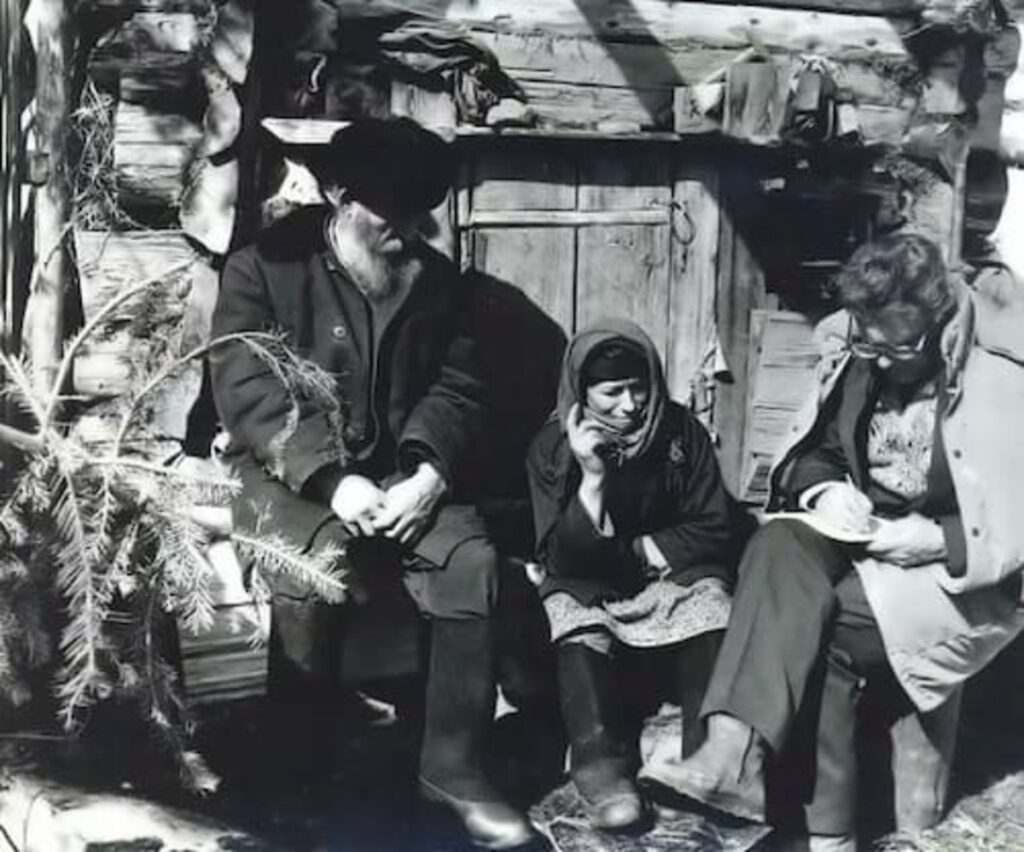
By the time they were accidentally discovered by geologists in 1978, the Lykovs had not encountered another human for over forty years. Their wooden cabin stood as a delicate bastion of survival against one of the harshest landscapes on the planet.
A Life Reduced to Essentials
When the scientists encountered the Lykovs, they found a family that was both delicate and remarkably resilient. The four children—two born before their seclusion and two after—had never experienced bread or salt, had never set eyes on a city, and were entirely oblivious to modern conveniences. They were unaware of major events like World War II, space exploration, or even the existence of electricity.
Tragically, their mother, Akulina, passed away during a particularly harsh winter, choosing to let her children consume the meagre rations left. The surviving family pressed on, buoyed by their faith and relentless spirit. They adhered to old religious traditions and found joy in small wonders—like a rare seed sprouting, a starry night, or a whispered prayer during moments of darkness.
One geologist later remarked that meeting the Lykovs felt like stepping into a different time: “They seemed frozen in another century, untouched by all that the rest of humanity had endured.”
The Modern World Intrudes
Despite invitations to reintegrate into society, the Lykovs chose to remain in their secluded haven. Unfortunately, their reintroduction to the modern world brought misfortune. Within years of being rediscovered, three of the siblings succumbed, likely due to exposure to unfamiliar illnesses. Karp himself passed away in 1988 at the age of 90.
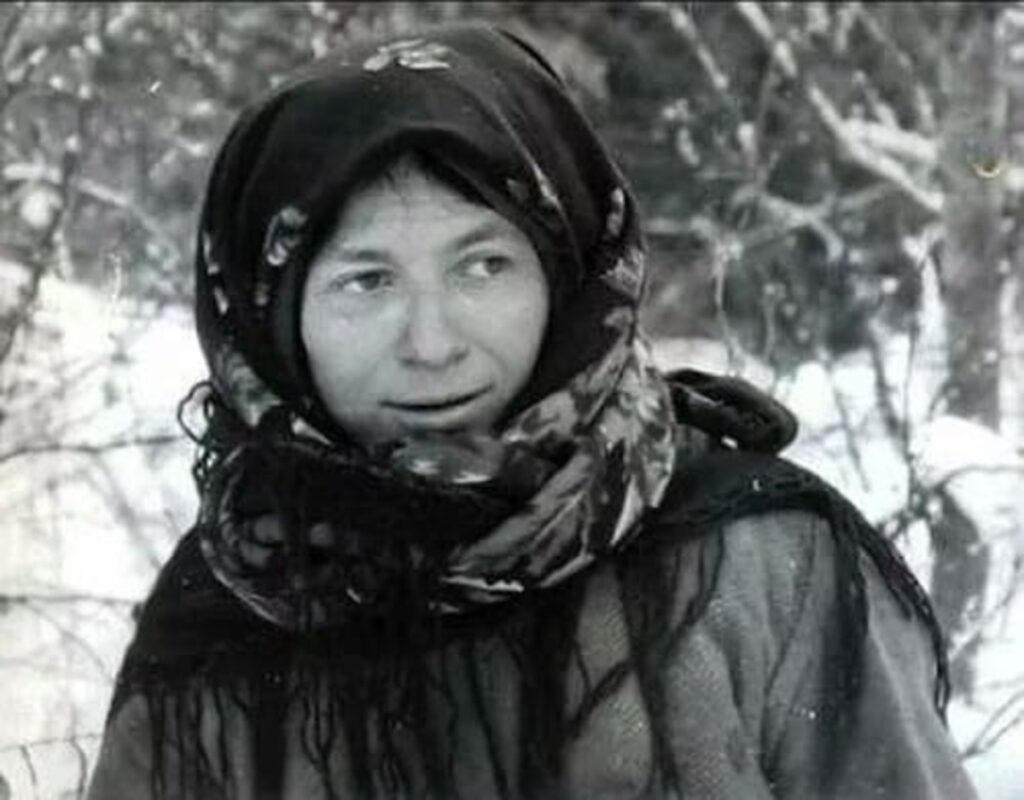
Only Agafia, the youngest daughter, survives today. Now in her late eighties, she continues to dwell in the Siberian wilderness, upholding her parents’ traditions with minimal assistance from the outside world. Her humble wooden cabin, encircled by towering pine trees and a blanket of snow, stands as a living testament to a family that truly escaped civilisation.
Lessons from the Edge of Civilisation
The Lykovs’ narrative is not merely about isolation; it also prompts reflection on what we gain and sacrifice in our quest for simplicity. In a time characterised by connectivity and rampant consumption, their existence poses a challenge to our preconceptions about comfort and necessity.
Psychologists assert that humans possess an incredible capacity to adapt to almost any circumstance, as long as they find meaning and establish a routine. The Lykovs exemplified that survival transcends the physical—it encompasses emotional, spiritual, and deeply human dimensions.
Their quiet life, far removed from the clamor of modernity, continues to captivate those who encounter it. Perhaps it serves as a poignant reminder that even in utter isolation, individuals can forge purpose, love, and community—one humble day at a time.





