
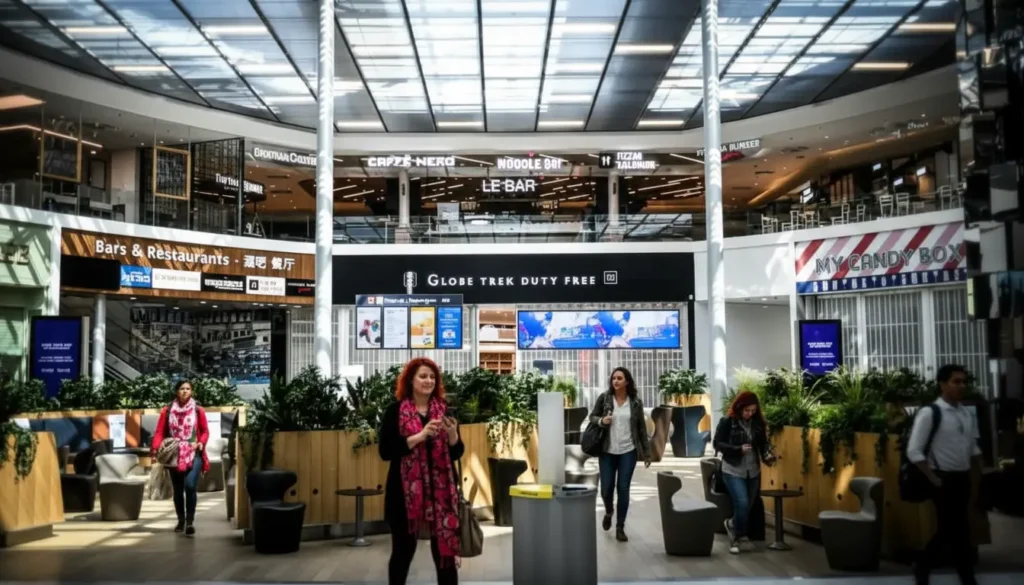
From Boom to Bust: The Duty-Free Downturn
Just a few years back, airport duty-free stores were thriving. However, since the end of the COVID-19 pandemic, sales have taken a significant tumble. This shift is particularly striking given that air traffic has rebounded nearly to 2019 levels.
A report from consulting firm Kearney, presented at the Tax Free World Association expo, sums it up succinctly:
“The Covid crisis abruptly interrupted a decade of strong and steady growth—about 9% per year—across travel retail.”
While travelers are flocking back to airports, they’re increasingly leaving their shopping bags empty.
By the Numbers: Global Sales Struggle
Let’s dig into the numbers. Kearney’s research highlights that the average spend per traveler has drastically dropped by 29% in 2022, averaging just $17 per traveler. In 2024, this figure is projected to slide even further to $15—well below the $24 splurged by travelers in 2019. Globally, duty-free sales hit $74.1 billion last year, marking a painful 13% decline compared to the pre-pandemic peak.
Why Shoppers Are Avoiding Duty-Free
The reasons behind this retail decline are multifaceted—a mix of price sensitivity, shifting consumer habits, and the lure of digital distractions. Notably, Kearney’s findings reveal that 64% of travelers express dissatisfaction, with 50% citing high prices or lackluster product offerings. Price sensitivity is key; it’s not just about luxury items being out of reach:
- General inflation has squeezed consumers’ wallets.
- Rising airfares have led travelers to tighten their budgets before even entering airport shops.
Choices must be made. More travelers, especially younger ones, are opting to spend their airport downtime glued to their devices rather than exploring store aisles.
New Generations Seek Fresh Experiences
With Millennials and Gen Z becoming an increasingly substantial part of the travel demographic, their shopping expectations have shifted markedly. Kearney’s report indicates:
“For 77% of these generations, the shopping experience itself is more important than the price when deciding on a duty-free purchase. If the industry aims to rekindle interest among travelers—and transform airports into appealing shopping venues—they’ll need to rethink their approach.”
So, what are travelers truly after? According to Kearney’s findings:
“Besides competitive pricing and exclusive deals, shoppers are craving a wider selection of products, personalized interactions, tailored shopping experiences, and high-quality service.”
The survey data is telling:
- 37% of respondents would spend more in airports if exclusive products were available.
- 17% would increase their spending if delivery options were offered.
Overall, 32% highlight the shopping experience itself as a key factor in their purchasing decisions, while a striking 69% believe wait times at airports could be prime shopping opportunities—if approached correctly. That old habit of window-shopping has gotten a digital makeover!
What Lies Ahead for Airport Retail?
Kearney’s predictions suggest a collaborative future—airports, brands, retailers, airlines, and digital platforms must unite their data and strategies if duty-free shopping is to reclaim its lost allure, particularly across Europe.
“Only by genuinely rethinking existing models and engaging in collective introspection can travel retail—especially in Europe—establish renewed significance for future generations.”
The Kearney study surveyed 3,500 consumers across 10 countries and included insights from over 40 senior executives from global airports, airlines, travel retailers, and brands.





