
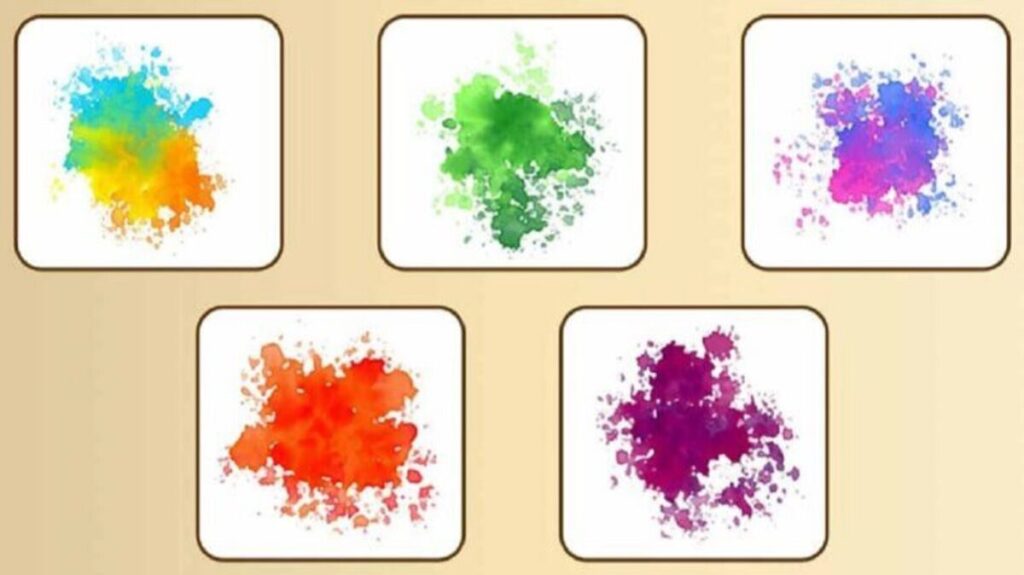
There’s something intriguing about gazing at an inkblot and observing the mind’s attempts to interpret it. One person might see a butterfly, another a face mask, while someone else insists it depicts two individuals quarrelling over the last biscuit. While it’s all in good fun, these tests offer insight into how we react to our surroundings – especially when it comes to handling criticism.
This little activity certainly can’t replace professional psychological assistance, but it serves as an amusing window into our instincts. Think of it as a playful way to reflect on your personality and perhaps identify a trait you weren’t previously aware of.
The First Inkblot: The Objective Thinker
If your gaze lands on the first inkblot, you likely approach situations with a measured perspective. Criticism doesn’t derail you; instead, you view it as akin to a performance review: not always delightful, but typically constructive. You manage your emotions effectively, sift through the critiques, and identify takeaways for personal growth. This mindset transforms even harsh feedback into a valuable opportunity for improvement.
I once collaborated with a colleague who embodied this quality. She would receive stern feedback with a serene nod, take notes, and return a week later with a refined version of her work. No fuss, just steady progress.
The Second Inkblot: The Open Conversationalist
If the second shape resonates with you, it’s likely that you value dialogue. For you, criticism isn’t a personal attack but rather an invitation to engage in discussion. You perceive it as the mental equivalent of brewing a cup of tea and saying, “Let’s work through this together.” You thrive on collaboration and relish the exchange of ideas, treating critiques as a means to refine your thoughts.
Often, educators observe that those students who improve most significantly are those who ask questions and willingly participate in discussions – precisely this spirit of openness.
The Third Inkblot: The Reflective Soul
If the third blot stands out for you, your strength lies in introspection. You prefer to take a moment to contemplate feedback, weighing its validity before drawing conclusions. Rarely taking things personally, you excel in problem-solving. Rather than reacting impulsively, you process criticism internally, transforming it into constructive outcomes at your own pace.
It’s similar to reading a tough review of a cherished book. Initially, you might feel affronted; later on, you ponder, “Do they have a valid point?” This ability to reconsider without resentment distinguishes you.
The Fourth Inkblot: The Honest Warrior
If the fourth inkblot catches your eye, you’re someone who confronts feedback directly. You don’t shy away from challenging conversations, and you place a high value on sincerity. For you, criticism is simply part of the journey toward self-improvement. You face it head-on, without hesitation, earning respect for your forthrightness.
Managers often appreciate this approach: no excuses, no defensiveness – just a clear-headed willingness to learn.
The Fifth Inkblot: The Resilient Player
Finally, if the final inkblot draws your focus, resilience is your standout trait. You view criticism as an integral part of life’s challenges – sometimes you win, and sometimes you learn. Instead of allowing negative feedback to weigh you down, you harness it as motivation to come back stronger. This mindset enables you to remain steady when others might falter.
Consider elite athletes who transform a coach’s harsh words into motivation for more intense training. It’s not always straightforward, but resilience can be the vital difference between surrendering and moving forward.
A Closing Thought
What we perceive in these inkblots doesn’t define us, but it does illuminate some of our hidden traits. Whether you identify as the objective thinker, the reflective soul, or the resilient player, your response to criticism reveals a lot about your approach to life. Perhaps the next time someone offers a pointed remark, you’ll see yourself reflected in these categories – and maybe even chuckle at your findings.





