
Each era has its own set of fads, sounds, and dances. However, in the TikTok age, a trend can easily traverse international borders in mere hours, only to ignite a firestorm of debate. The latest sensation capturing attention is perreo, a dance that has found immense popularity among teenagers in Spain, yet has left many parents feeling uneasy.
A viral dance with a provocative twist
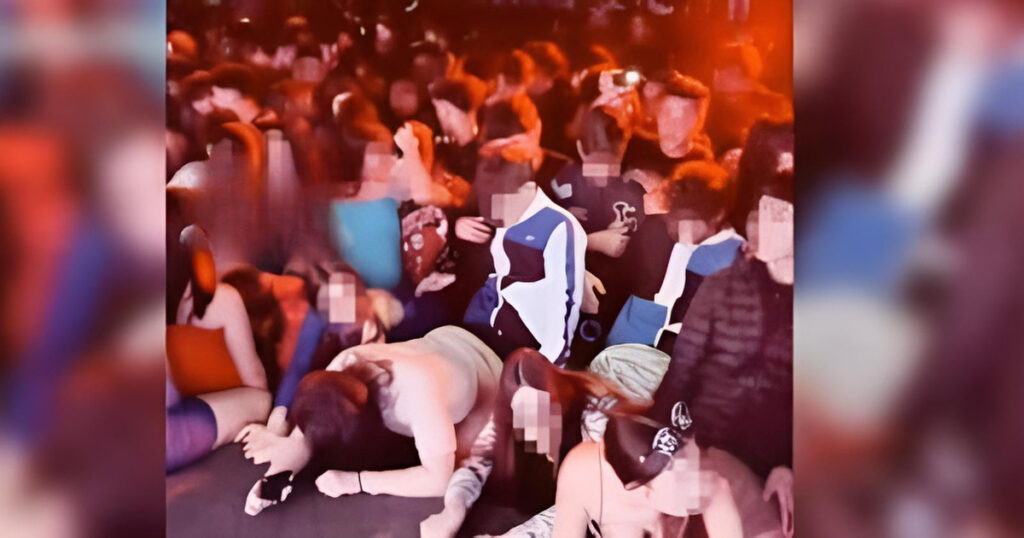
The controversy ignited when a Barcelona nightclub released a video from its grand opening, branded “Full Perreo.” The twist? The event was held in the afternoon and allowed minors entry, featuring footage of young dancers showcasing the dance.
The videos depicted groups of girls bending down on stage while boys mirrored sexually provocative moves behind them. This imagery sparked swift outrage on social media, with numerous voices highlighting the dangers of sexualising minors in such public forums. The backlash was so intense that the nightclub ultimately removed the clip from its social media platforms.
The origins of perreo
Perreo is not some random fad; it has deep roots in reggaeton culture from Latin America. The dance centres around rhythmic, hip-driven movements performed typically in pairs, communicating themes of sensuality and desire that resonate with the music.
However, critics argue that perreo perpetuates problematic gender stereotypes by reducing women to mere sexual objects and normalising behaviours that blur the line between light-hearted fun and exploitation. When minors are involved, the discussion shifts from cultural appreciation to urgent concerns about safety and consent.
Legal and social ramifications
In addition to the moral debate, the Barcelona nightclub also faced legal repercussions. Reports indicated that the venue lacked the appropriate licence to host such an event, leading organisers to scrap a similar party planned for later in the year.
Nevertheless, not everyone condemned the nightclub. On Twitter, hashtags like #TodosSomosPampara and #FreePampara gained traction, with supporters defending the venue and accusing detractors of overreacting. This divide illustrates how polarising perreo has become: for some, it’s merely a form of self-expression; for others, it delves into more concerning territory.
The parental perspective
For parents, the issue is not a question of whether reggaeton or perreo have a place in cultural expressions—it’s the age factor. Witnessing underage teens performing overtly sexualised movements understandably raises alarm. Fears regarding exploitation, exposure to adult behaviours, and peer pressure are central to the conversation.
Child psychology experts frequently caution that early exposure to hypersexualised behaviour can affect a young individual’s self-image and their understanding of healthy relationships. With that in mind, it’s evident why the perreo trend has parents hitting the brakes.
Conclusion
To the teens who embrace it, perreo might just be another captivating dance craze. Yet for parents and educators, it sparks serious inquiries about boundaries, representation, and societal responsibility. Much like other viral trends, it occupies a space at the intersection of cultural expression, youth identity, and societal concerns.
One thing remains clear: in our interconnected world, what transpires on stage at a small nightclub swiftly becomes part of a broader global dialogue.





