
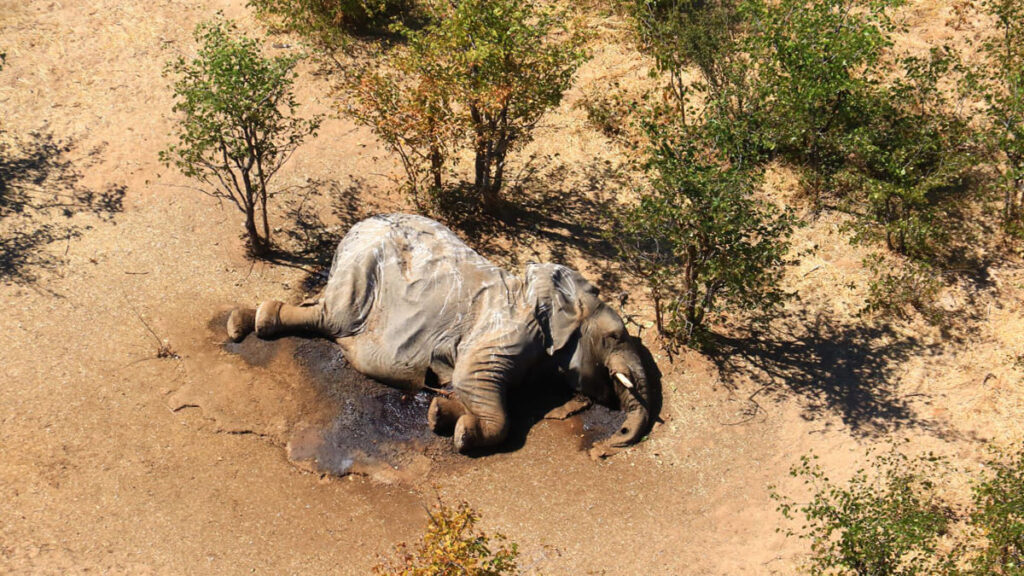
In 2020, the Okavango Delta in Botswana was the stage for a deeply troubling enigma: hundreds of elephants, spanning all ages, were spotted walking in circles before collapsing and dying. Over 350 majestic elephants succumbed under mysterious conditions, leaving wildlife experts and conservationists racing against time to find explanations. A recent study has shed light on these tragic events, potentially revealing the cause behind the alarming elephant deaths.
What Caused These Distressing Elephant Deaths?
Recent research published in the Science of the Total Environment journal indicates that the mass fatalities were linked to a form of poisoning related to cyanobacteria blooms, commonly referred to as blue-green algae. This potentially hazardous microorganism flourishes in water under optimum environmental conditions, such as heat and stagnation. In 2020, it seems these elephants inadvertently drank from water sources contaminated with lethal toxins, resulting in their tragic demise.
Through their investigation, researchers discovered that many elephant carcasses were clustered near waterholes that had experienced significant cyanobacteria blooms. By mapping the distribution of the carcasses, they concluded that these elephants likely ingested toxic water, leading directly to the fatal poisoning.
Davide Lomeo, a PhD student in Geography at King’s College London who contributed to the research, highlighted that while the larger bodies of elephants were easier to spot, smaller animals might have also been impacted—even if their remains were consumed by predators before being noted in aerial surveys.
A Growing Concern of Climate-Induced Wildlife Diseases
This tragic loss of elephants is part of a broader trend. The researchers pointed out that climate change is provoking sudden outbreaks of diseases in wildlife worldwide. In the same year, for example, 35 elephants in Zimbabwe succumbed to bacterial infections resulting from prolonged droughts, and in Kazakhstan, 200,000 saiga antelopes lost their lives to hemorrhagic septicemia—another example linked to the devastating impacts of climate change.
Niall McCann, director of conservation at National Park Rescue, underscored the role of climate change in these outbreaks, noting its extensive effects on wildlife health. Factors like altered water availability and the creation of optimal environments for harmful bacteria and algae pose serious dangers to animal populations. As the globe continues to warm and weather patterns evolve, incidents like these are likely to become more commonplace.
The Harsh Realities of Climate Change on Wildlife
The heartbreaking situation in Botswana highlights the broader implications of climate change on ecosystems and the wildlife reliant on them. It’s not just about rising temperatures and melting polar ice; it’s also about how these changes disrupt delicate ecosystems, fostering conditions that enable harmful organisms to thrive.
This incident emphasizes wildlife’s vulnerability to rapid environmental changes. In this case, the elephants had no choice but to drink from contaminated water sources, leading to their unexpected deaths. It serves as a stark reminder of the interconnectedness of nature and how shifts in one component of the environment can have domino effects on wildlife and biodiversity.
Implications for Conservation Movements
As climate change continues to transform ecosystems worldwide, wildlife conservationists are facing unprecedented hurdles. The events in Botswana serve as a wake-up call about the critical importance of monitoring environmental conditions and safeguarding wildlife from pollution, disease, and climate-related challenges. The rapid proliferation of harmful organisms like cyanobacteria presents a tangible threat to entire species.
To tackle climate change and its ramifications on wildlife, we must embrace global collaboration and swift action. Conservationists and environmental scientists are already striving to fathom the links connecting climate change and wildlife diseases, yet the urgency of the situation cannot be overstated.
Ultimately, the loss of these elephants serves as a poignant reminder of the pressing need to safeguard our planet and its inhabitants from the relentless threat of climate change. We must rally ourselves to act—before more species vanish and tragedies like this become all too familiar.