
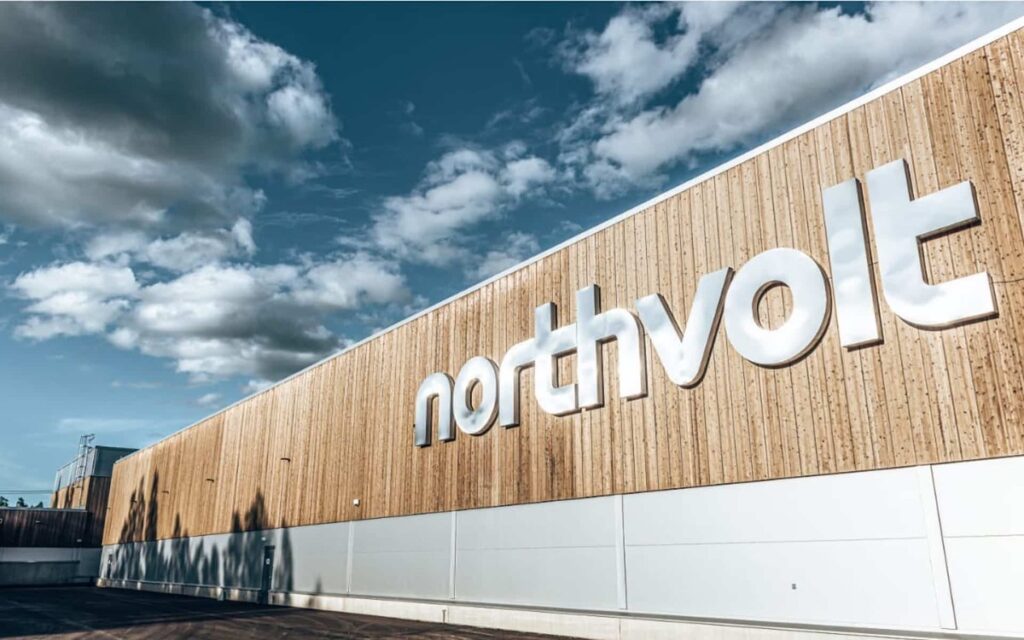
Northvolt, once seen as Europe’s beacon of hope in the battery manufacturing race, is now grappling with the harsh realities of bankruptcy. Initially aiming to challenge China’s stronghold on the battery market, the company is struggling with a critical cash crisis, leaving its workforce, investors, and clients in uncertainty. However, there might be a glimmer of hope for a revival, potentially aided by an unexpected ally from China.
The Downfall of Northvolt and Europe’s Industrial Challenges
Northvolt’s trajectory has been rife with ambition. Established to reduce Europe’s dependence on Chinese battery production, the firm was once heralded as a pivotal player in the future of energy storage, especially for electric vehicles. Yet, after encountering significant financial obstacles and mounting pressure from global competitors, Northvolt has found itself in a precarious position. Its recent bankruptcy filing serves as a significant setback to the vision of a flourishing European battery sector.
Despite these challenges, attempts to salvage the company are underway. The European Union is steadfast in its commitment to banning internal combustion engine vehicles by 2035, viewing local battery production as essential to this goal. Even in its troubled state, Northvolt remains a vital component of this vision, particularly as Europe strives to minimize its reliance on outside sources for critical technologies.
Could a Chinese Firm Offer Salvation for Northvolt?
In an intriguing twist, Northvolt’s potential lifeline may come from China—its primary competitor in the battery sector. Reports from Swedish media indicate that discussions are taking place with various Chinese entities, including CATL (Contemporary Amperex Technology Co. Limited), which claims a commanding 40% of the global electric vehicle battery market.
This collaboration could allow CATL to solidify its presence in Europe and tap into new customer bases. However, despite the swirling speculation, CATL’s co-founder Pan Jian has played down the prospect of a direct financial investment. He clarified that while talks have occurred, the emphasis has largely been on licensed production rather than directly capitalizing Northvolt.
The Fallout of a Potential Rescue
If this rescue plan comes to pass, it could represent a pivotal change in Europe’s pursuit of battery autonomy. However, it also raises pertinent questions about the continent’s aspirations for self-sufficiency in vital industries. Allowing a Chinese company to take a leading role, even indirectly, could be interpreted as a retreat from Europe’s long-term ambitions to cultivate a robust domestic battery manufacturing sector.
The emerging situation underscores the profound challenges confronting Europe as it seeks to close the gap with China’s well-established battery manufacturing infrastructure. While Northvolt’s difficulties signify a setback, they also illuminate broader issues of industrial strategy, competition, and technological independence in an interconnected global landscape.
The coming months will be crucial in determining whether Northvolt can stave off total collapse and, if so, whether its future will lie solely in European hands or evolve into a joint venture that includes Chinese influence. The outcome will carry significant consequences for the European electric vehicle market and its capacity to produce sustainable, locally sourced batteries.
As many watch this situation unfold, one fact remains clear: the trajectory of Europe’s battery industry may require more than just homegrown efforts—it might necessitate collaboration, even with former rivals, to flourish in the years ahead.





