
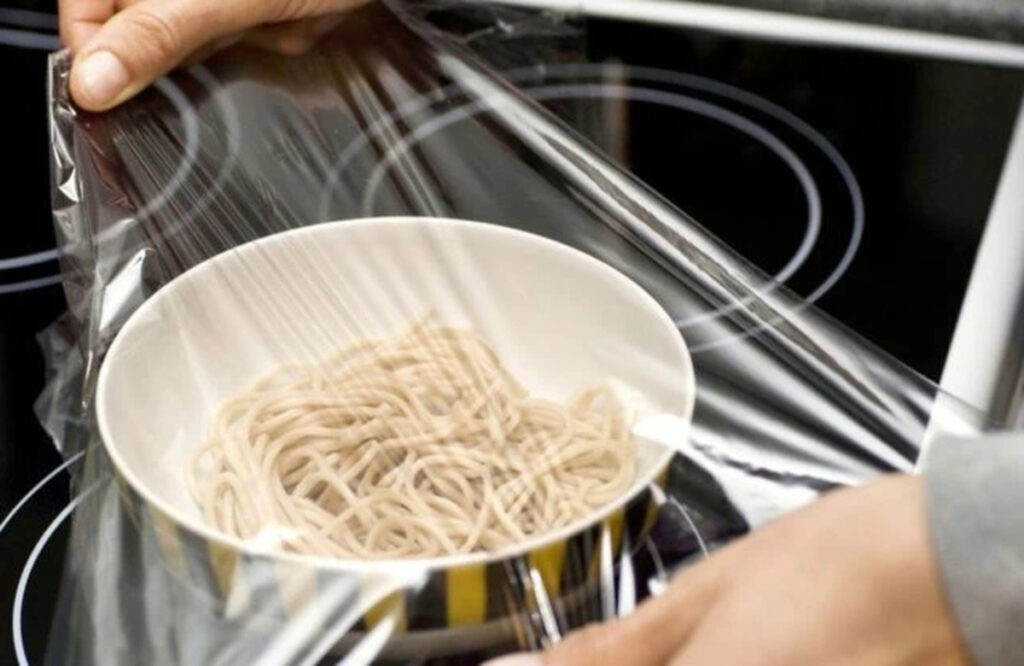
In the fast-paced atmosphere of contemporary kitchens, plastic wrap has long been regarded as a go-to solution for maintaining food freshness and managing leftovers. It’s convenient and readily available, providing what many perceive as an easy fix for a range of food storage dilemmas. Nevertheless, emerging research is shining a light on serious concerns regarding the health and environmental implications of using plastic wrap.
Uncovering the Risks of Plastic Wrap in Your Kitchen
The GoodPlanet Foundation reveals that in France alone, a staggering 1.2 billion meters of plastic film are consumed each year. Despite its prevalence in our daily lives, the risks associated with plastic wrap are becoming increasingly apparent. Many brands include warnings about their products’ safety, particularly in relation to specific types of food. For instance, most plastic wraps advise against use with items containing animal fats, oils, nuts, or rich condiments like mayonnaise. The concern? Contact with fatty foods can cause these wraps to release phthalates, a group of chemicals recognised for their reproductive toxicity.
It’s important to note that this problem extends beyond high-fat items like bacon or greasy dishes. Many everyday kitchen staples—from cheeses and nuts to plant-based milks and sauces—contain fats, making it challenging to avoid these items when using plastic wrap.
Seeking Safer Alternatives: Phthalate-Free Options
For those keen to limit their exposure to harmful chemicals, it’s essential to look for plastic wraps labelled as phthalate-free and BPA-free (Bisphenol A, another chemical linked to hormonal disruptions). While these options offer a safer choice, availability can be inconsistent, and it remains wise to prevent direct contact between plastic wrap and food wherever possible—especially during cooking or heating.
A key rule to remember: steer clear of using plastic wrap when heating food, be it in a microwave or hot water. Heating can increase the risk of chemical leaching, making plastic wrap an even less suitable option.
Eco-Friendly and Healthier Alternatives to Plastic Wrap
Fortunately, there is a range of sustainable alternatives to plastic wrap that are not only safer for your health but also kinder to the environment. For instance, beeswax wraps serve as an excellent replacement when a recipe calls for plastic wrap. They’re reusable, come in vibrant designs, and can be easily crafted at home with beeswax, resin, and jojoba oil. Not only do they provide a safer solution, but they also make for a delightful DIY project to enjoy with friends or family.
If you prefer a more robust option, consider utilising glass containers with airtight lids. These are ideal for fridge storage or freezing leftovers, keeping your food fresh without the risk of harmful chemicals seeping into your meals.
The Environmental Cost: Microplastics and Beyond
A significant concern with plastic wrap goes beyond its health risks—it’s the environmental toll that counts. The issue of plastic waste looms large, and food wraps significantly contribute to this growing problem. Often discarded in landfills or finding their way into our oceans, plastic wraps degrade into microplastics. These tiny particles infiltrate the food chain, posing health risks to both aquatic life and humans.
By cutting plastic wrap from your kitchen arsenal, you are not only safeguarding your health from harmful chemicals but also minimising your contribution to plastic pollution. It’s a small adjustment that can yield considerable positive impact.
Transitioning to a Healthier Kitchen
Next time you reach for that familiar roll of plastic wrap, pause and contemplate the potential risks. Why not embrace more sustainable alternatives? Whether you choose beeswax wraps, glass containers, or simply utilise items you already own, there are numerous ways to store food safely without compromising your health or the planet.
These changes are not merely steps toward a healthier lifestyle but are also pivotal in reducing our dependence on plastic and keeping hazardous chemicals out of our kitchens. So when you’re preparing your food, remember: a better and safer option exists. Transitioning to alternatives like beeswax wraps and glass containers is a straightforward yet impactful change that benefits both you and the earth.





