
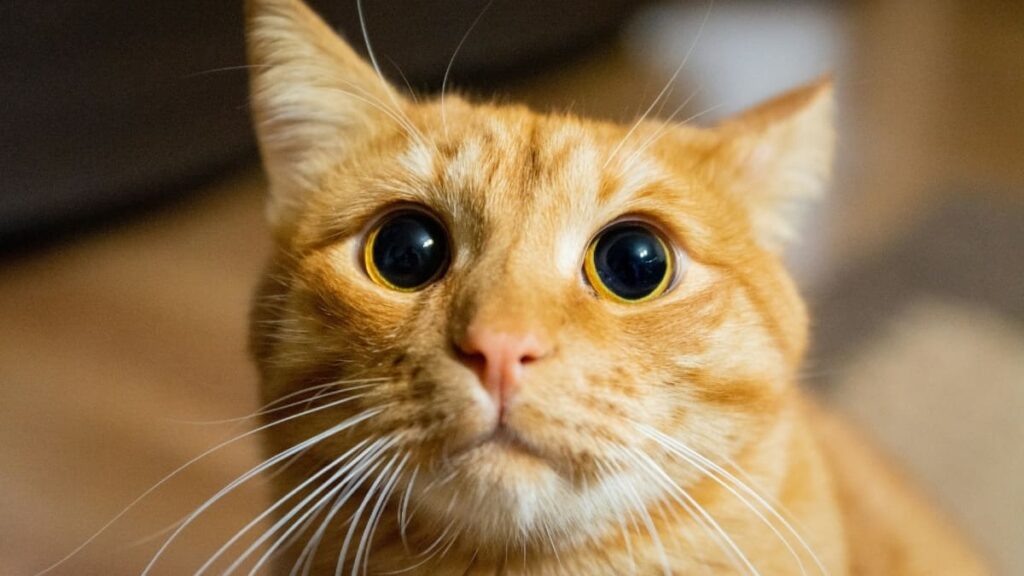
Those who have shared their lives with a ginger cat are well aware of their quirks. From their lively antics to their occasionally “wild” demeanors, ginger felines have carved out a niche for their unpredictable behavior. But could their spirited nature be connected to their unique fur color? After decades of research, scientists are unraveling the intriguing genetics behind these vibrant cats, and the findings might just astonish you.
The Genetic Puzzle of Ginger Cats
Ginger cats, with their stunning orange coats and exuberant personalities, are a delight to many. But what lies behind that captivating color? Following more than 60 years of study, researchers have identified the gene that bestows a cat with its ginger hue—Arhgap36.
Greg Barsh, a geneticist from Stanford University, has been keenly investigating this gene’s influence on fur color. His research revealed that a DNA deletion near the Arhgap36 gene is likely what grants the vibrant orange pigment. Interestingly, this particular gene doesn’t appear to have mutations directly tied to the color itself; rather, it seems that the deletion alters pigmentation.
In a comprehensive study of 188 cats—comprising 145 ginger cats, 6 calicos, and 37 non-ginger cats—the research team discovered this genetic anomaly in every ginger cat surveyed. They also noted that the gene’s expression was more pronounced in males, while females, who typically showcase ginger patches, often exhibit a mix of colors, leading to lovely calico and tortoiseshell patterns.
How Genetics Influence Ginger Cat Coats
So, what accounts for the color variations between male and female cats? The explanation is rooted in their chromosomes. Similar to humans, cats inherit their fur color through these chromosomes. The ginger color gene resides on the X chromosome, and here’s the twist: males possess only one X chromosome, which means they manifest the gene’s effects fully. This is why nearly all ginger cats are male.
On the flip side, females have two X chromosomes, but one often becomes inactive. In rare instances where both X chromosomes remain active, a female can boast the same vibrant orange as a male. Hence, although female ginger cats do exist, they are notably less common than their male counterparts.
This genetic phenomenon explains the prevalence of ginger cats in male-dominated litters, while their female counterparts frequently display mixed coloration, resulting in striking patterns like calico or tortoiseshell.
Are Ginger Cats Truly “Crazy”?
Ginger cats have a reputation for being a bit high-strung or, as some might label it, “crazy.” This perception is widely acknowledged among cat enthusiasts, but scientific studies have yet to establish a clear correlation between fur color and behavior. While the Arhgap36 gene plays a vital role in shaping their coats, there’s no evidence to suggest it influences the emotional or mental attributes of these cats.
Although some research has hinted at specific genes potentially impacting behavior in other species, no definitive connections have been made between the ginger coat gene and temperament in cats. So, while your ginger cat might revel in a bit of mischief, it’s probably just a reflection of their personality, not their genetic makeup!
Conclusion
Thanks to groundbreaking research, we have uncovered that the gene behind the striking fur of ginger cats is Arhgap36, found on the X chromosome, influencing their unique coat color. Despite the lack of solid evidence tying ginger fur to erratic behavior, we can still admire their playful antics without concern for their genetics.
So, the next time you find yourself in the midst of your ginger cat’s delightful chaos, remember that while their genes may account for that stunning coat, their lively personality is simply part of their irresistible charm!





