
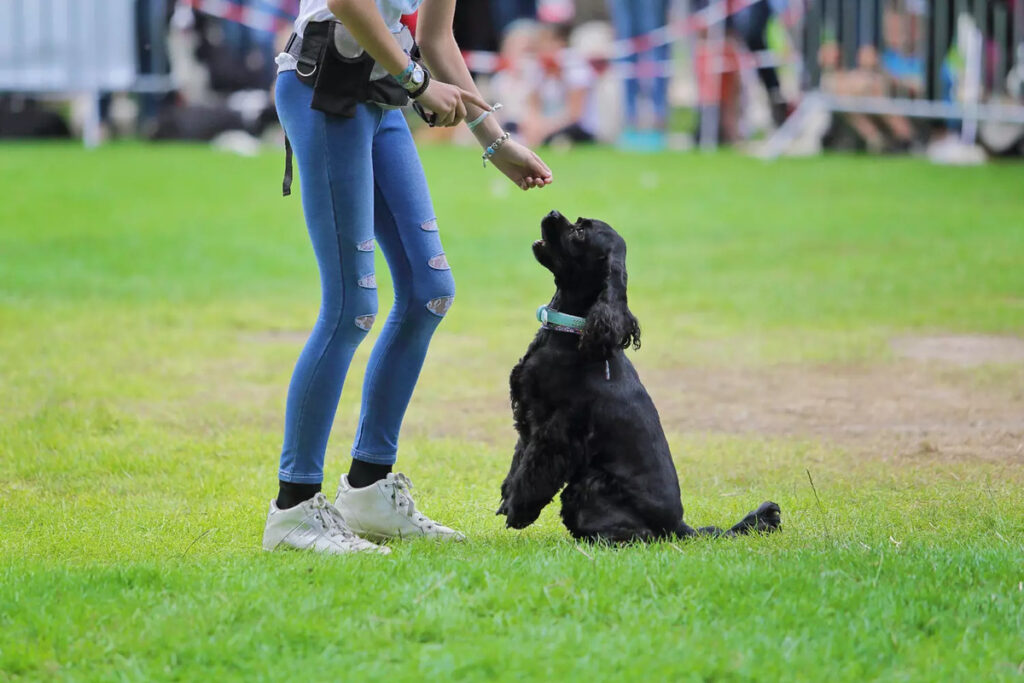
Welcoming a dog into your home can be one of life’s most fulfilling choices. However, it’s essential to remember that this journey comes with its fair share of hurdles. While we often dream of a well-mannered companion who responds to commands like “sit,” “stay,” and “come,” the truth is that training can sometimes feel more like a marathon than a stroll in the park. Certain breeds adapt easily to training, while others may challenge even the most seasoned dog owners to their limits.
The Reality of Dog Training
Training your dog can be immensely rewarding, yet it demands significant commitment, consistency, and effort. Breeds such as the Labrador Retriever, Golden Retriever, and Border Collie are praised for their eager disposition and intelligence, which make them relatively easy to train—ideal for new dog owners embarking on their training journey.
On the flip side, some breeds are known for their stubbornness or independent attitude, making training a decidedly tougher task. Matt Atherton, a seasoned dog trainer at Canine Training, recently discussed some of the most challenging breeds to train, shedding light on a few surprises.
The Tricky Breeds
- Siberian Husky
Leading the pack is the stunning Siberian Husky. Renowned for their beauty and vibrant personality, these dogs are infamous for their high energy and strong-willed nature, which can make training a real challenge. “They have an impressive energy output,” Atherton explains. “Originally bred to run for miles in harsh conditions, they are not always focused on following commands or paying attention to their owners.” The independent streak in a Siberian Husky can frustrate many first-time dog owners, leading to a test of patience.
What further complicates training is their desire to work solo. Huskies often prefer to operate on their own terms rather than seeking direction from their owners. While they are undeniably loyal and affectionate, training them can be quite a task.
- Dachshund (or “Sausage Dog”)
Hot on their heels is the lovable Dachshund, affectionately dubbed the “sausage dog” due to its elongated body and short legs. Despite their petite stature, these pups are notoriously stubborn, which can present challenges during training. “They’re tenacious hunters and quite independent,” observes Atherton. “Without consistent guidance, they can become excessively vocal.”
If not adequately trained, Dachshunds may develop problematic behaviours. Their inherent curiosity and affinity for digging can lead them to mischief, particularly if they lack sufficient physical and mental stimulation, often resulting in excessive barking or destructive tendencies.
- Shar Pei
Finally, we have the Shar Pei, a breed distinguished by its iconic wrinkled skin. While they can be affectionate and make excellent guard dogs, their independence and natural wariness can render training a difficult endeavour. “They are prone to developing behavioural issues, and once these arise, resolving them can be quite a challenge,” explains Atherton. Nonetheless, with the right training approach, Shar Peis can become incredibly loving and loyal companions.
For those prepared to put in the extra work, breeds that may seem daunting can revel in the joys of companionship and training. Understanding the unique needs and temperaments of each breed is crucial in establishing a strong bond and ensuring they become well-trained members of the family.
The Importance of Patience and Consistency
The takeaway from this discussion is crystal clear: while some breeds are more challenging to train than others, surrendering is not the answer. Instead, it’s about embracing the right strategies and ensuring the training experience is positive for both you and your dog. Patience and consistency are fundamental elements of effective training protocols. Over time, with the right approach, even the most obstinate dogs can master commands and integrate seamlessly into their homes.
Every dog possesses a unique personality, which necessitates an understanding and tailored approach for effective training. Should you find yourself facing difficulties, consider enlisting the expertise of a professional trainer who is familiar with the specific challenges posed by your dog’s breed.





